Africa is a dream destination for birdwatchers. From Uganda’s misty forests and papyrus wetlands to the flamingo-covered lakes of Kenya, the Okavango waterways of Botswana and South Africa’s endemic-rich mountains, the continent offers an extraordinary variety of habitats and bird species.
Whether you are hoping to see the prehistoric-looking Shoebill, colourful turacos, rare forest specialists, powerful eagles or vast flocks of waterbirds, Africa rewards both first-time birders and experienced ornithologists. With more than 2,500 recorded bird species across the continent, including hundreds found nowhere else, every region presents a different birding adventure.
Here are ten of the leading birding destinations on the African continent, selected by Ngoni Safaris Uganda for their diversity, special species, beautiful landscapes and overall safari experience.
1. Uganda – The Pearl of Africa
Uganda is one of Africa’s finest all-round birding destinations. More than 1,000 bird species have been recorded within a relatively small country, making it possible to explore several distinct habitats during one well-planned safari. These include tropical rainforest, papyrus swamp, open savannah, montane forest, freshwater lakes and the semi-arid landscapes of the northeast.
The legendary Shoebill is Uganda’s best-known avian attraction. Mabamba Wetland, near Entebbe, is one of the most reliable and accessible places to search for it. Birders can also visit Murchison Falls National Park, Queen Elizabeth National Park, Kibale Forest, Bwindi Impenetrable National Park, Semuliki National Park and the Albertine Rift.
Uganda’s special birds include the Great Blue Turaco, Green-breasted Pitta, African Green Broadbill, Rwenzori Turaco, Shelley’s Crimsonwing, Papyrus Gonolek, African Finfoot and numerous Albertine Rift endemics.
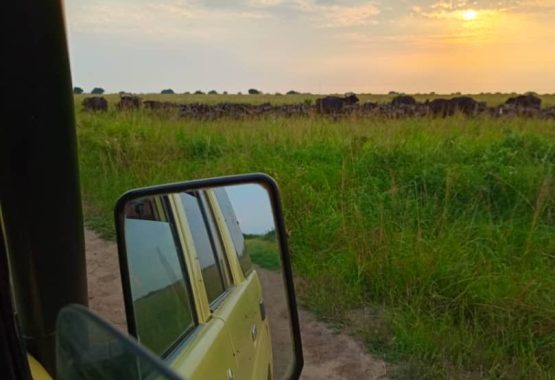
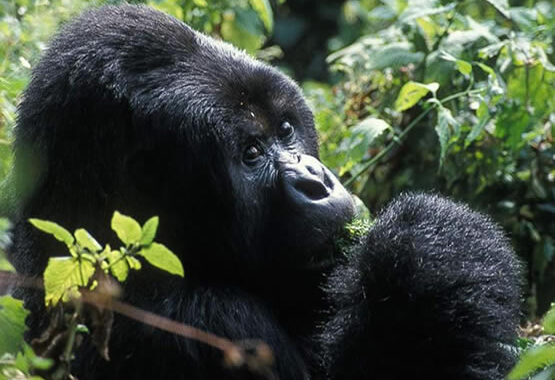
What makes Uganda particularly attractive is the opportunity to combine birding with gorilla trekking, chimpanzee tracking, classic game drives and boat safaris. Few destinations offer such diversity in one journey.
Best time for birding: Uganda offers rewarding birding throughout the year. Migratory species are generally present from November to April, while the drier periods often provide easier road and trail conditions.
2. Kenya – Rift Valley Lakes, Forests and Open Savannahs
Kenya is internationally known for the Great Migration, but it is equally impressive as a birding destination. Its varied geography supports more than 1,000 recorded bird species, ranging from waterbirds and grassland specialists to forest birds and dry-country endemics.
The Rift Valley lakes are major attractions. Lake Nakuru, Lake Bogoria and other alkaline or freshwater lakes can support flamingos, pelicans, storks and many other waterbirds. The Maasai Mara offers excellent opportunities to see secretarybirds, bustards, vultures, ostriches, ground hornbills and raptors while enjoying a classic big-game safari.
Other important birding areas include Kakamega Forest, the Arabuko-Sokoke Forest, Lake Naivasha, Samburu, Amboseli and the highlands around Mount Kenya. The endemic and near-endemic species of Kenya’s coastal forests are especially appealing to dedicated birders.
Notable birds: Sokoke Scops Owl, Clarke’s Weaver, Jackson’s Widowbird, Grey-crested Helmetshrike, Great Blue Turaco, flamingos and numerous birds of prey.
Best time for birding: October to April is excellent for migrants, while many resident species can be observed throughout the year.
3. Tanzania – From the Serengeti to the Eastern Arc Mountains
Tanzania combines vast wilderness, exceptional wildlife and outstanding bird diversity. The Serengeti, Ngorongoro Conservation Area, Tarangire National Park, Lake Manyara and the southern parks provide rewarding birding alongside some of Africa’s most famous mammal encounters.
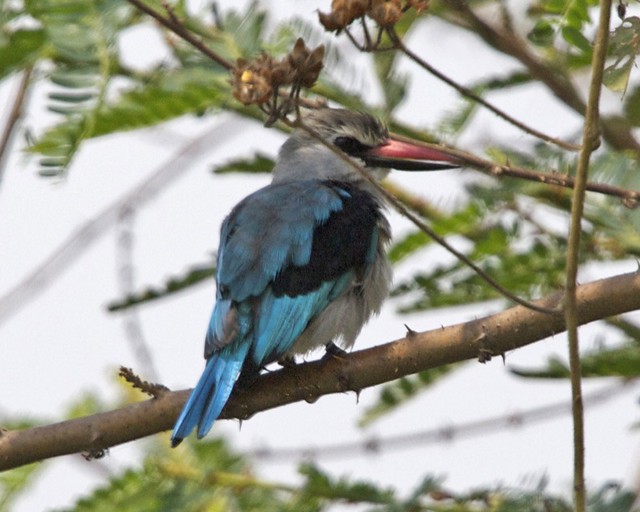
The Serengeti plains are excellent for kori bustards, secretarybirds, ostriches, sandgrouse, larks, vultures and eagles. Tarangire is known for dry-country species, while Lake Manyara attracts pelicans, flamingos, storks, herons and kingfishers.
For specialist birders, the Eastern Arc Mountains are especially important. Their ancient forests support rare and localised species, including several Tanzanian endemics. The Udzungwa and Uluguru ranges are particularly valuable for conservation and endemic birdlife.
Notable birds: Grey-breasted Spurfowl, Usambara Eagle-Owl, Pemba Green Pigeon, Fischer’s Lovebird, Rufous-tailed Weaver and Ashy Starling.
Best time for birding: November to April is productive for breeding plumage and migrant species, although Tanzania is a rewarding year-round destination.
4. South Africa – Endemics and Excellent Birding Infrastructure
South Africa is one of the continent’s easiest and most rewarding countries for an independent or guided birding holiday. It has an excellent road network, a wide selection of accommodation and a remarkable number of endemic and near-endemic species.
Kruger National Park combines superb birding with iconic wildlife. Here, visitors may encounter Southern Ground Hornbills, Saddle-billed Storks, rollers, bee-eaters, vultures and numerous eagles. The Drakensberg Mountains are important for high-altitude species, while the Cape region supports birds associated with the unique fynbos ecosystem.
Other outstanding areas include Wakkerstroom, iSimangaliso Wetland Park, Mkhuze Game Reserve, the Karoo and the forests of KwaZulu-Natal.
Notable birds: Cape Rockjumper, Drakensberg Rockjumper, Blue Crane, Southern Bald Ibis, Knysna Turaco, Cape Sugarbird and Ground Woodpecker.
Best time for birding: September to March is generally excellent, especially for summer migrants and breeding activity.
5. Botswana – The Okavango Delta and Kalahari
Botswana offers spacious wilderness, low-density tourism and some of Africa’s most memorable wetland birding. The Okavango Delta is the country’s signature birding region, with seasonal floodwaters creating channels, lagoons, reedbeds and islands rich in birdlife.
Traditional mokoro excursions and boat trips provide close views of African Jacanas, kingfishers, herons, egrets, storks and African Fish Eagles. The Chobe Riverfront is also exceptional, especially when large concentrations of wildlife gather along the water.
In contrast, the Kalahari and Makgadikgadi salt pans offer dry-country birds, raptors and dramatic seasonal gatherings after the rains. This variety makes Botswana ideal for birders who also want an exclusive big-game safari.
Notable birds: Pel’s Fishing Owl, Wattled Crane, Slaty Egret, Southern Carmine Bee-eater, African Pygmy Goose and Kori Bustard.
Best time for birding: November to March is especially productive for migrants and breeding birds. The flood season offers a different but equally beautiful Okavango experience.
6. Namibia – Desert Specialists and Coastal Wetlands
Namibia’s stark deserts, rugged escarpments and Atlantic coastline create one of Africa’s most distinctive birding environments. Although its overall species total is lower than that of tropical countries, Namibia is highly valued for its desert-adapted and range-restricted birds.
The Namib Desert, Etosha National Park, the Erongo Mountains, the Kunene region and the Caprivi Strip each offer very different birding. Etosha’s waterholes attract raptors, sandgrouse, bustards and waterbirds, while Walvis Bay and Sandwich Harbour can host immense numbers of flamingos, pelicans, terns and shorebirds.
The northeast is greener and supports species associated with the Kavango and Zambezi river systems, providing a striking contrast to the desert landscapes farther west.
Notable birds: Dune Lark, Herero Chat, Rockrunner, Rüppell’s Korhaan, Bare-cheeked Babbler, Monteiro’s Hornbill and Damara Tern.
Best time for birding: November to April is best for summer visitors and breeding activity, while the coast and many desert regions remain rewarding at other times.
7. Ethiopia – A Land of Remarkable Endemics
Ethiopia is an essential destination for birders interested in endemic species. Its highlands, Rift Valley lakes, forests and lowland deserts support an exceptional collection of birds, many of which cannot be seen anywhere else.
The Bale Mountains are among Ethiopia’s most important birding areas, combining Afro-alpine scenery with species such as the Blue-winged Goose and Rouget’s Rail. The Rift Valley lakes attract large numbers of waterbirds, while the southern region around Yabello is known for highly localised species.
Birding in Ethiopia can also be combined with striking landscapes, ancient cultural sites and unusual mammals such as the Ethiopian wolf and Gelada.
Notable birds: Prince Ruspoli’s Turaco, Stresemann’s Bushcrow, Ethiopian Bush-crow, Blue-winged Goose, Spot-breasted Lapwing, Rouget’s Rail and White-tailed Swallow.
Best time for birding: October to March is generally favourable, with many resident birds active and Palearctic migrants present.
8. Zambia – Wild Rivers, Miombo Woodland and the Shoebill
Zambia is a superb choice for birders seeking uncrowded reserves and a strong sense of wilderness. Its major habitats include miombo woodland, river valleys, floodplains, wetlands and evergreen forest patches.
South Luangwa National Park is famous for walking safaris and productive riverine birding. Lower Zambezi National Park offers excellent boat-based viewing, while Kafue National Park protects vast grasslands and woodland. The Bangweulu Wetlands are especially important because they provide an opportunity to search for the Shoebill in a remote, spectacular setting.
Zambia is also a leading destination for miombo specialists, which can be challenging but highly rewarding to find with an experienced guide.
Notable birds: Shoebill, Chaplin’s Barbet, Black-cheeked Lovebird, Böhm’s Bee-eater, African Pitta, Wattled Crane and Pel’s Fishing Owl.
Best time for birding: November to April is excellent for migrants and breeding activity; the drier months may provide easier access to some wildlife areas.
9. Rwanda – Compact, Scenic and Rich in Albertine Rift Birds
Rwanda’s compact size makes it possible to visit several excellent birding areas without long driving distances. The country’s highland forests, wetlands, lakes and savannahs support a rich mixture of Central African, East African and Albertine Rift species.
Nyungwe Forest National Park is Rwanda’s leading forest birding destination and protects many Albertine Rift endemics. Akagera National Park offers savannah and wetland birding alongside elephants, giraffes, hippos and other large mammals. Volcanoes National Park is best known for mountain gorillas, but its bamboo and montane habitats also support beautiful regional specialities.
Rwanda is particularly suitable for travellers who want to combine a focused birding extension with gorilla trekking or a wider Uganda–Rwanda safari.
Notable birds: Red-collared Mountain Babbler, Rwenzori Turaco, Handsome Francolin, Purple-breasted Sunbird, Grauer’s Swamp Warbler and Papyrus Gonolek.
Best time for birding: Birding is possible throughout the year. Migrants generally occur from November to April, while the drier seasons can make travel and forest walks easier.
10. Ghana – West African Forest Birding
Ghana is one of the most accessible gateways to West African birding. Its coastal lagoons, Upper Guinea rainforest, woodland and northern savannah create opportunities to see a completely different selection of species from those found in East and Southern Africa.
Kakum National Park is famous for its rainforest canopy walkway, which allows birders to observe canopy species that are often difficult to see from the forest floor. Ankasa Conservation Area offers rich lowland rainforest birding, while Mole National Park adds savannah birds and large mammals.
The search for the rare Yellow-headed Picathartes is a highlight for many visiting birders and often becomes one of the most memorable experiences of a Ghanaian birding tour.
Notable birds: Yellow-headed Picathartes, White-necked Rockfowl, Black Dwarf Hornbill, Blue-moustached Bee-eater, Violet-backed Hyliota and numerous forest kingfishers, barbets and turacos.
Best time for birding: November to March is generally a favourable period, with drier conditions in many areas and migrant birds present.
Why Uganda Deserves a Place at the Top of Your Birding List
Every destination in this article offers something special, but Uganda stands out for the sheer number of species found within a manageable area. A single itinerary can include the papyrus wetlands of Mabamba, the forests of Bwindi and Kibale, the savannahs of Queen Elizabeth and Murchison Falls, and the unique habitats of Semuliki and the Albertine Rift.
Uganda also allows birders to add some of Africa’s greatest wildlife experiences without sacrificing the quality of the birding. You can search for the Shoebill in the morning, track chimpanzees in a tropical forest, watch elephants beside the Nile and stand a few metres from mountain gorillas—all during the same journey.
Plan Your African Birding Safari with Ngoni Safaris Uganda
At Ngoni Safaris Uganda, we design private and tailor-made birding safaris for individuals, couples, families, photography groups and specialist bird clubs. Our itineraries can focus entirely on birds or combine birdwatching with gorilla trekking, chimpanzee tracking, wildlife viewing, boat cruises, cultural encounters and landscape photography.
We arrange knowledgeable birding guides, private 4×4 safari vehicles, carefully selected accommodation, park activities and logistical support throughout Uganda and selected East African destinations.
Whether your dream is to photograph the Shoebill at Mabamba, search for Albertine Rift endemics in Bwindi, explore the Rift Valley lakes or create a multi-country birding expedition, our team can prepare an itinerary around your interests, available time and preferred travel style.
Contact Ngoni Safaris Uganda today and let us turn your African birding wish list into an unforgettable journey.