Travel Insurance for Uganda: A Complete Guide for Tourists and Safari Travelers
By Ngoni Safaris Uganda
Planning a memorable African adventure? Uganda is one of Africa’s most rewarding destinations, offering mountain gorilla trekking, chimpanzee tracking, Big Five safaris, birdwatching, mountain climbing, white-water rafting, and breathtaking landscapes. Before travelling to the Pearl of Africa, one essential item should be on your preparation checklist: comprehensive travel insurance for Uganda.
At Ngoni Safaris Uganda, we encourage all our guests to arrange appropriate travel insurance before departure. Whether you are planning a luxury Uganda safari, a budget wildlife tour, a family holiday, or a once-in-a-lifetime gorilla trekking adventure in Bwindi Impenetrable National Park, the right insurance can provide financial protection if unexpected problems arise.
This guide explains what travel insurance for Uganda should cover, why medical evacuation insurance is important, how to protect your safari investment, and what to check before purchasing a policy.
Why Do You Need Travel Insurance for Uganda?
Uganda offers extraordinary wildlife encounters and outdoor experiences, but some safari destinations are located far from major medical facilities. Travelling between national parks may involve long road journeys, while activities such as gorilla trekking and mountain hiking take place in remote environments.
The UK government advises visitors to arrange suitable travel insurance covering their itinerary, planned activities, and emergency expenses. It also highlights the importance of medical evacuation cover because advanced medical facilities can be limited outside major urban centres.
Travel insurance can help protect you against unexpected expenses arising from:
- Medical emergencies and hospital treatment.
- Emergency medical evacuation from remote safari destinations.
- Trip cancellation or interruption for covered reasons.
- Lost, stolen, or damaged baggage and personal belongings.
- Flight delays, missed connections, and travel disruptions, where covered.
- Accidental injuries during covered adventure activities.
- Emergency repatriation when medically necessary and included in the policy.
Coverage varies between insurance providers. Always read the policy wording to understand the benefits, exclusions, limits, and conditions that apply to your trip.
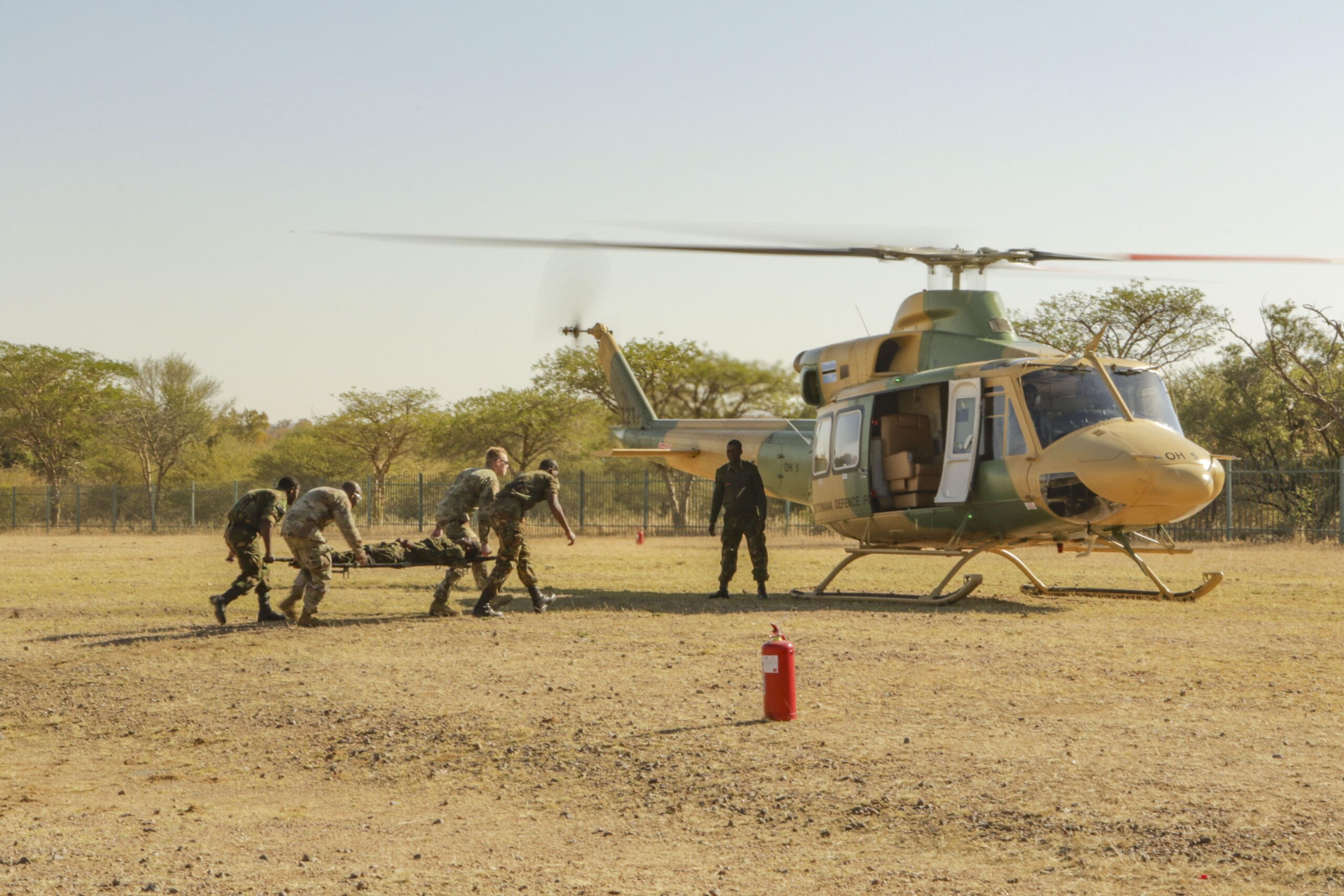
Flight Emergency Rescue.
What Type of Travel Insurance Should You Buy for Uganda?
Not every travel insurance policy provides the same level of protection. When visiting Uganda, choose a policy that reflects your itinerary, planned activities, length of stay, and personal circumstances.
1. Medical Travel Insurance
Medical travel insurance helps cover eligible medical expenses if you become ill or injured while travelling abroad.
Depending on your policy, this may include emergency consultations, diagnostic tests, hospital treatment, prescription medicines, and emergency surgery.
Before purchasing a policy, check the medical coverage limit and whether it applies to treatment in Uganda. Confirm how the insurer handles direct payments to hospitals, reimbursement claims, and emergency assistance.
Travellers with existing medical conditions should disclose them accurately and confirm whether related treatment is covered.
2. Emergency Medical Evacuation Insurance
Emergency medical evacuation is particularly important for visitors travelling to remote destinations such as Bwindi Impenetrable National Park, Mgahinga Gorilla National Park, Kidepo Valley National Park, and the Rwenzori Mountains.
If you experience a serious medical emergency far from a suitable hospital, evacuation or specialised transport may be necessary. Depending on the circumstances, this could involve road ambulance services, air evacuation, or transfer to a more appropriate medical facility.
When comparing policies, confirm that emergency evacuation is covered throughout Uganda, including remote national parks and forest areas. Check the coverage limit, exclusions, and whether the insurer must authorise the evacuation in advance.
Do not assume that ordinary health insurance from your home country automatically covers medical treatment or evacuation in Uganda.
3. Trip Cancellation and Interruption Insurance
A Uganda safari often involves advance payments for accommodation, transport, domestic flights, wildlife permits, and guided activities.
Trip cancellation insurance may reimburse eligible prepaid, non-refundable expenses if you cancel before departure for a reason specifically covered by your policy.
Trip interruption insurance may help cover eligible unused travel arrangements and additional transport expenses if a covered event forces you to end your holiday early.
For example, if you develop an unexpected illness before travelling and your insurer accepts the claim, your policy may reimburse certain prepaid safari expenses.
Important: Cancellation cover does not automatically apply to every reason for cancelling. Change of mind, certain government restrictions, foreseeable events, and other circumstances may be excluded. Check the policy before paying your safari deposit.
4. Baggage and Personal Belongings Insurance
A safari requires important personal items, including cameras, binoculars, phones, travel documents, clothing, and sometimes specialised birdwatching equipment.
Baggage insurance may cover eligible losses resulting from theft, damage, or loss during your journey.
Before purchasing cover, check the maximum amount payable per item, exclusions for unattended belongings, documentation requirements, and whether expensive cameras or electronics require additional cover.
Keep copies of your travel documents and store valuable equipment securely during transfers and game drives.
5. Adventure Travel Insurance
Uganda is an excellent destination for travellers seeking outdoor adventure. Depending on your itinerary, you might participate in:
- Mountain gorilla trekking in Bwindi Impenetrable National Park.
- Golden monkey tracking in Mgahinga Gorilla National Park.
- Chimpanzee tracking in Kibale Forest National Park.
- Rwenzori Mountains hiking and climbing.
- White-water rafting on the River Nile in Jinja.
- Guided nature walks and other outdoor activities.
Some standard travel insurance policies exclude particular adventure activities or provide limited cover for them.
If your itinerary includes gorilla trekking, high-altitude hiking, mountaineering, rafting, or other physically demanding activities, ask your insurer to confirm in writing that the exact activities are covered, including any relevant altitude limits and emergency evacuation.
Travel Insurance for Gorilla Trekking in Uganda
Gorilla trekking is one of Uganda’s most extraordinary wildlife experiences. Visitors travel to Bwindi Impenetrable National Park or Mgahinga Gorilla National Park to observe mountain gorillas in their natural habitat under the guidance of authorised park personnel.
However, gorilla trekking involves walking through forest terrain that may be steep, muddy, uneven, and physically demanding. Trek duration and difficulty vary depending on the location of the gorilla family and the conditions on the day.
Before booking your gorilla trekking safari, confirm that your travel insurance covers:
- Medical treatment following an accident or injury.
- Emergency evacuation from remote forest locations.
- Hiking and trekking under the conditions of your planned excursion.
- Trip cancellation or interruption for covered reasons.
- Prepaid gorilla permits, where eligible under the policy.
- Any pre-existing medical conditions relevant to your participation.
Do not assume that a general holiday policy automatically covers gorilla trekking or reimburses the cost of a permit if you cannot attend.
If you are unable to trek because of illness, injury, or another unexpected event, reimbursement will depend on the applicable permit conditions and the terms of your insurance policy.
Travel Insurance for Uganda Safari Holidays
Whether you are booking a short wildlife tour or a multi-day expedition, your insurance should cover the activities and destinations included in your itinerary.
Here is what to consider for some of Uganda’s most popular safari experiences.
Wildlife Safaris in Murchison Falls National Park
Murchison Falls National Park is famous for game drives, boat trips on the Nile, birdwatching, and the spectacular Murchison Falls.
Choose a policy that covers your planned activities and provides appropriate medical assistance if an accident or illness occurs during your visit.
Queen Elizabeth National Park Safaris
Queen Elizabeth National Park offers game drives, boat cruises along the Kazinga Channel, birdwatching, and wildlife experiences in the Ishasha sector.
Check that your insurance covers your planned safari activities, transport arrangements, and any additional excursions.
Chimpanzee Tracking in Kibale Forest
Chimpanzee tracking involves walking through forest terrain, sometimes for extended periods. Confirm that your policy covers guided forest hikes and any relevant activity restrictions.
Rwenzori Mountains Trekking
The Rwenzori Mountains offer demanding hiking and mountaineering experiences. Travellers planning an expedition should obtain specialist advice from their insurer about altitude, technical difficulty, rescue operations, and evacuation limits.
A policy suitable for a conventional wildlife safari may not be sufficient for a mountain expedition.
White-Water Rafting in Jinja
Jinja is a popular destination for white-water rafting and other adventure activities on the River Nile. Confirm whether your policy explicitly covers rafting and the particular grade or type of activity planned.
Does Travel Insurance Cover Gorilla Permits and Safari Deposits?
Many visitors pay for gorilla permits, lodges, domestic flights, and private safari vehicles before arriving in Uganda. These advance payments can represent a substantial part of the holiday budget.
Travel insurance may reimburse eligible non-refundable expenses when a cancellation or interruption results from a covered event.
However, permit reimbursement is not guaranteed. Policies differ in their treatment of wildlife permits, prepaid excursions, and other activity bookings.
Before purchasing insurance, ask your provider:
- Are Uganda gorilla permits covered as prepaid travel expenses?
- Are chimpanzee permits and other activity fees included?
- Does cancellation cover apply if I become ill before travelling?
- Are deposits paid to tour operators and lodges eligible for reimbursement?
- What documentation must I provide when submitting a claim?
- Are outbreaks of infectious disease, government restrictions, or travel advisories covered?
Purchase your policy as early as practical, particularly if you have already paid for non-refundable travel arrangements. Cancellation protection may only begin when the policy is purchased, and some benefits have additional timing requirements.
Is Travel Insurance Mandatory for Uganda?
Entry requirements, safari booking conditions, and insurance requirements are not necessarily the same.
Travel insurance is strongly recommended for visitors to Uganda. Your tour operator, insurer, activity provider, or other travel service may also impose specific insurance conditions.
Before departure, check the latest official entry requirements and confirm whether your planned activities have any particular insurance requirements.
Even when a particular policy is not legally required for entry, travelling without adequate medical and evacuation protection can expose you to significant unexpected expenses.
How Much Does Travel Insurance for Uganda Cost?
The price of travel insurance depends on several factors, including:
- Your age and country of residence.
- The duration of your Uganda holiday.
- The total cost of your prepaid travel arrangements.
- The medical and evacuation coverage limits.
- The activities included in your itinerary.
- Any pre-existing medical conditions.
- The excess or deductible you agree to pay.
A short holiday with basic coverage may cost less than a comprehensive policy covering an extended safari, specialist adventure activities, and expensive prepaid arrangements.
Rather than selecting a policy based only on price, compare the benefits, exclusions, emergency assistance arrangements, and coverage limits. A low-cost policy may not offer the protection needed for a remote safari.
When Should You Buy Travel Insurance for Uganda?
The best time to arrange travel insurance is as soon as you begin making significant non-refundable travel payments.
Early purchase may help protect eligible prepaid expenses against certain unexpected events occurring before departure, provided the event and claim meet the policy conditions.
A sensible preparation timeline is:
When booking your safari: Compare policies and check cancellation protection for prepaid expenses.
Before paying for permits and accommodation: Confirm whether these costs qualify for reimbursement under your chosen policy.
Before departure: Verify that medical treatment, evacuation, and all planned activities are covered.
Before travelling to remote parks: Save the insurer’s emergency telephone number and policy documents where you can access them without an internet connection.
What Is Usually Excluded From Travel Insurance?
Every policy is different, but common exclusions or restrictions may include:
- Undeclared pre-existing medical conditions.
- Activities specifically excluded from the policy.
- Claims arising from alcohol or drug impairment.
- Cancellation for reasons not listed as covered events.
- Unattended belongings or inadequately documented theft claims.
- Travel against medical advice or failure to comply with policy conditions.
- Certain epidemics, pandemics, government restrictions, or other specified events.
Read the exclusions section carefully before purchasing your insurance. If a particular exclusion could affect your itinerary, ask the insurer for clarification in writing.
Essential Travel Insurance Checklist for Uganda
Before departing for your Uganda safari, use this checklist to review your arrangements.
-
Medical treatment coverage suitable for travel abroad.
-
Emergency medical evacuation from remote safari destinations.
-
Repatriation coverage, where appropriate.
-
Cover for gorilla trekking, chimpanzee tracking, and other planned activities.
-
Cancellation and interruption protection for eligible prepaid costs.
-
Confirmation of cover for gorilla permits and other non-refundable bookings.
-
Appropriate protection for baggage, cameras, and personal belongings.
-
Accurate declaration of relevant medical conditions.
-
A 24-hour emergency assistance telephone number.
-
A digital and printed copy of your policy documents.
Why Book Your Uganda Safari With Ngoni Safaris?
At Ngoni Safaris Uganda, we help travellers plan memorable journeys across Uganda, from gorilla trekking in Bwindi to wildlife safaris in Murchison Falls and Queen Elizabeth National Parks.
Our safari experiences can include private 4×4 safari vehicles, professional driver-guides, comfortable accommodation, wildlife viewing, chimpanzee tracking, birdwatching, and carefully planned itineraries.
We encourage our guests to arrange suitable travel insurance independently before departure. Although we help organise your safari and provide travel-planning guidance, your insurance provider determines whether a claim is covered under your policy.
By preparing in advance and selecting appropriate insurance, you can approach your Uganda holiday with greater confidence and focus on the incredible wildlife, scenery, and culture that make the country special.
Frequently Asked Questions About Travel Insurance for Uganda
1. Do I need travel insurance for a Uganda safari?
Travel insurance is strongly recommended. Comprehensive cover should include medical treatment, emergency evacuation, trip cancellation, and the activities you plan to undertake.
2. Does travel insurance cover gorilla trekking in Uganda?
Some policies cover gorilla trekking, while others may impose activity restrictions or exclusions. Obtain confirmation from your insurer before travelling.
3. Will insurance reimburse my gorilla permit if I cancel?
Possibly, if your policy covers the reason for cancellation and the permit cost qualifies as an insured prepaid expense. Reimbursement is subject to the insurer’s terms and the applicable permit conditions.
4. Is medical evacuation insurance important in Uganda?
Yes. Some national parks and trekking destinations are far from major medical facilities. Emergency evacuation coverage can be particularly valuable if you experience a serious injury or illness in a remote area.
5. Can I use my existing health insurance in Uganda?
Some health insurance plans provide international benefits, but others exclude overseas treatment or medical evacuation. Contact your provider to confirm the extent of your cover.
6. Should I declare pre-existing medical conditions?
Yes. Answer the insurer’s medical questions accurately and disclose relevant conditions as required. Ask whether additional coverage or medical screening is necessary.
7. Does travel insurance cover white-water rafting in Jinja?
Some policies cover rafting, but others exclude adventure sports or restrict coverage according to the activity. Confirm that the specific rafting experience you plan to undertake is covered.
8. When should I buy travel insurance?
Arrange it as early as practical, ideally when you begin making non-refundable travel payments, so that eligible cancellation benefits can begin according to the policy terms.