10 Leading Birding Destinations in Africa: The Ultimate Birdwatching Guide
By Ngoni Safaris Uganda | Africa Birding Safaris
Africa is one of the world’s most rewarding continents for birdwatching, offering extraordinary biodiversity, spectacular landscapes and opportunities to observe rare and endemic bird species. From the tropical rainforests of Uganda and the Albertine Rift to the wetlands of Botswana and the savannahs of Kenya, the continent provides unforgettable experiences for bird lovers, photographers and wildlife enthusiasts.
For travellers planning an African birding safari, choosing the right destination can make all the difference. Some locations are famous for their exceptionally high bird diversity, while others offer opportunities to spot rare forest specialists, migratory birds, shoebills, flamingos and colourful endemic species.
At Ngoni Safaris Uganda, we help travellers discover Africa’s remarkable birdlife through guided birdwatching tours, wildlife safaris and tailor-made nature experiences. Here are ten of the leading birding destinations in Africa to consider for your next adventure.
1. Uganda – The Pearl of Africa
Uganda is one of Africa’s outstanding birdwatching destinations, making it an excellent choice for both first-time birders and experienced ornithologists. Its location at the meeting point of East African savannahs, Central African rainforests and the Albertine Rift creates a remarkable variety of habitats.
The country has recorded more than 1,000 bird species, including numerous Albertine Rift endemics and sought-after forest birds.
Top birding locations in Uganda:
- Bwindi Impenetrable National Park: Famous for Albertine Rift endemics, including the African green broadbill and Grauer’s rush warbler.
- Mabamba Bay Wetland: One of the best-known places to search for the prehistoric-looking shoebill.
- Queen Elizabeth National Park: Offers savannah, woodland, crater-lake and wetland birding.
- Murchison Falls National Park: Combines excellent savannah birding with opportunities to search for the shoebill along the Nile and nearby wetlands.
- Kibale National Park: Known for forest birding alongside chimpanzee tracking.
- Semuliki National Park: Particularly rewarding for Central African forest species.
Best time for birding: Uganda offers birdwatching throughout the year. Drier periods often provide easier travel and access, while wetter periods can offer excellent breeding activity and migratory bird opportunities.
Why choose Uganda? Birding can be combined with gorilla trekking, chimpanzee tracking, boat cruises, game drives and cultural experiences in a single safari.
Ngoni Safaris can help organise private birding safaris across Uganda, with experienced guides, suitable safari vehicles and accommodation selected to match your travel preferences.
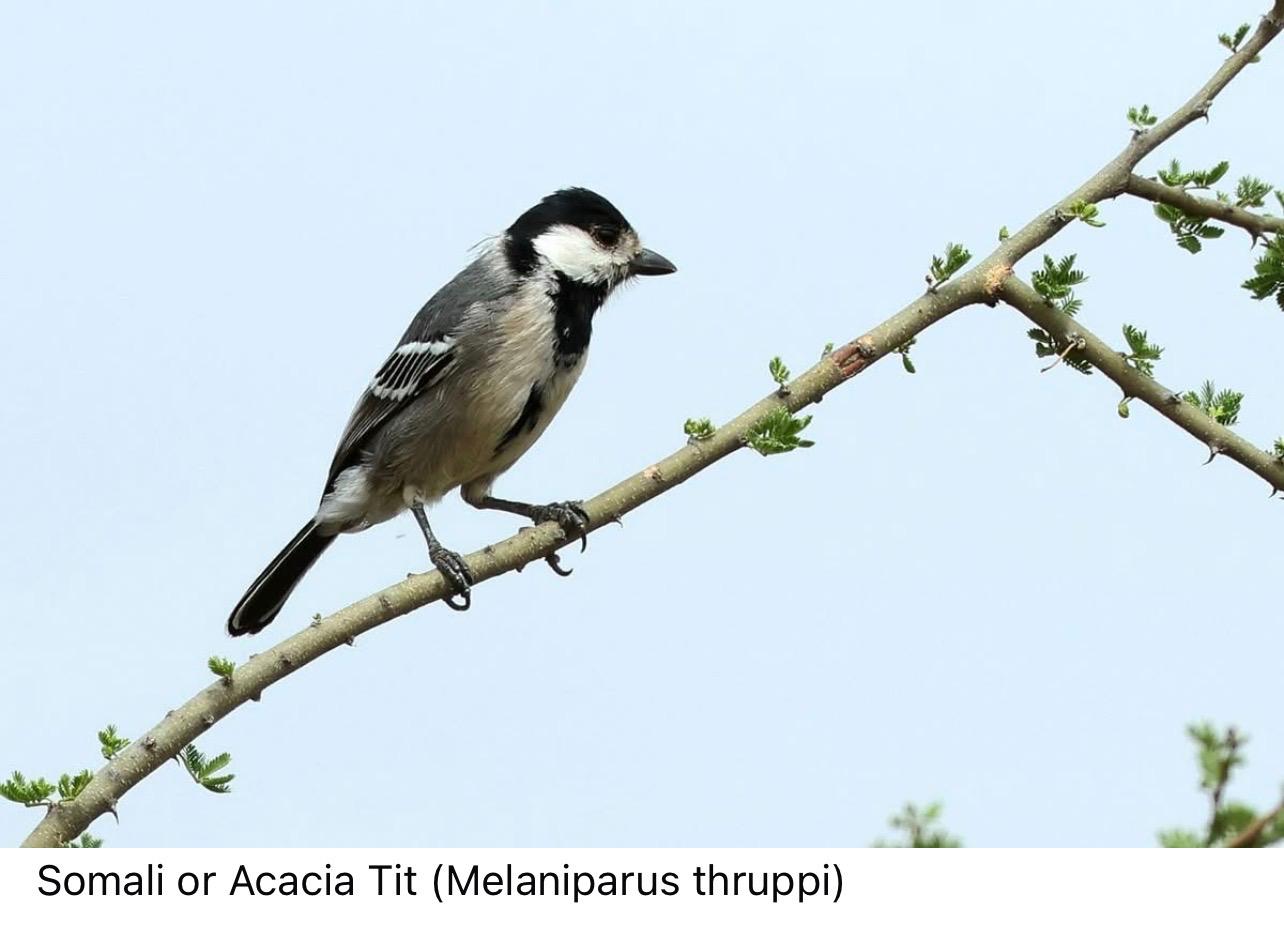
2. Kenya – Exceptional Savannah and Wetland Birding
Kenya is renowned for its dramatic landscapes, rich wildlife and diverse birdlife. Its ecosystems range from the open plains of the Maasai Mara to highland forests, lakes, coastal habitats and arid northern regions.
The country is particularly attractive to birdwatchers who want to combine bird photography with classic African wildlife viewing.
Top birding locations in Kenya:
- Lake Nakuru National Park: Famous for flamingos when conditions are favourable, as well as pelicans and other waterbirds.
- Maasai Mara National Reserve: Excellent for savannah birds, raptors and seasonal migrants.
- Lake Naivasha: Supports waterbirds, fish eagles and numerous wetland species.
- Arabuko-Sokoke Forest: Important for threatened coastal forest birds.
- Kakamega Forest: A key destination for specialised forest birding.
Best time for birding: Birdwatching is rewarding throughout the year, with seasonal rainfall and migration patterns influencing what visitors may see.
Why visit Kenya? Kenya combines outstanding bird diversity with big-game safaris, scenic lakes, photographic opportunities and established safari infrastructure.
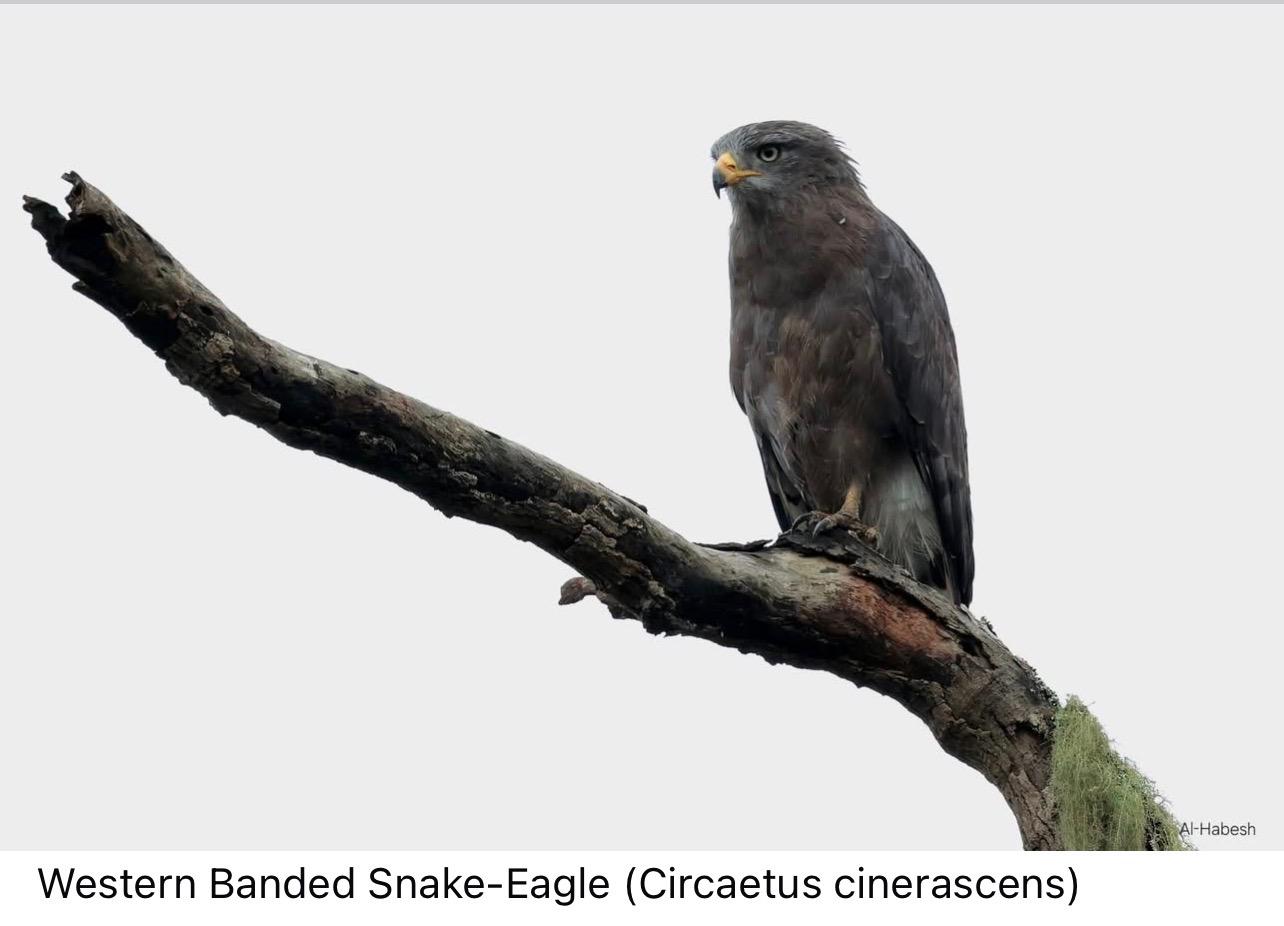
3. Tanzania – Birdwatching Across Diverse Ecosystems
Tanzania offers a remarkable range of habitats, including acacia woodlands, grasslands, wetlands, mountains, tropical forests and coastal ecosystems. Its famous national parks are also excellent birding destinations.
Top birding locations in Tanzania:
- Serengeti National Park: Home to a wide range of savannah birds, raptors and migratory species.
- Ngorongoro Conservation Area: Offers crater, woodland and highland birding.
- Tarangire National Park: Known for dry-country birds, baobab landscapes and large elephant herds.
- Lake Manyara National Park: Features diverse waterbirds and woodland species.
- Usambara Mountains: Important for endemic and range-restricted forest birds.
Best time for birding: Seasonal conditions vary by region. The period from November to April can be particularly rewarding for migratory birds, while dry-season travel may make access to some areas easier.
Why visit Tanzania? Travellers can combine specialist birdwatching with the Serengeti’s wildlife, the Ngorongoro highlands and other celebrated safari experiences.
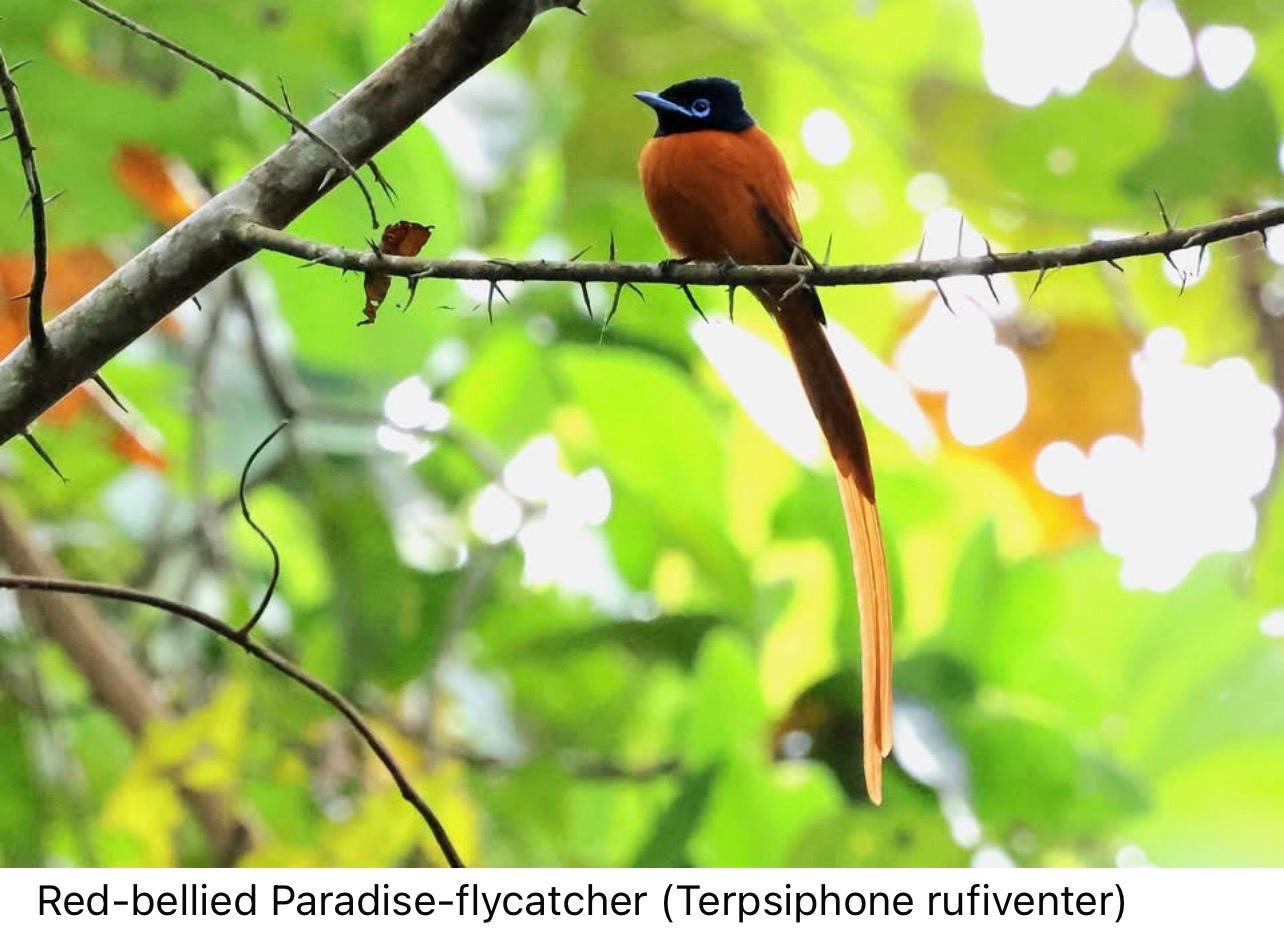
4. South Africa – A World-Class Birding Destination
South Africa is one of the continent’s most accessible birdwatching destinations, with well-developed tourism infrastructure, varied landscapes and excellent opportunities for independent and guided birding.
Its birdlife includes numerous regional endemics and species associated with fynbos, wetlands, grasslands, forests and arid habitats.
Top birding locations in South Africa:
- Kruger National Park: Excellent for savannah birds, hornbills, raptors and waterbirds.
- iSimangaliso Wetland Park: A diverse coastal landscape with wetlands, forests and estuaries.
- Cape Town and the Western Cape: Ideal for fynbos endemics and coastal seabirds.
- Drakensberg Mountains: Known for montane birding and the bearded vulture.
- Wakkerstroom: A renowned destination for grassland birds.
Best time for birding: Spring and summer in the Southern Hemisphere can be especially productive for breeding activity and migratory species, although the ideal season depends on the region and target birds.
Why visit South Africa? It offers excellent roads, varied accommodation, guided birding options and the chance to combine birdwatching with landscapes, culture and wildlife safaris.
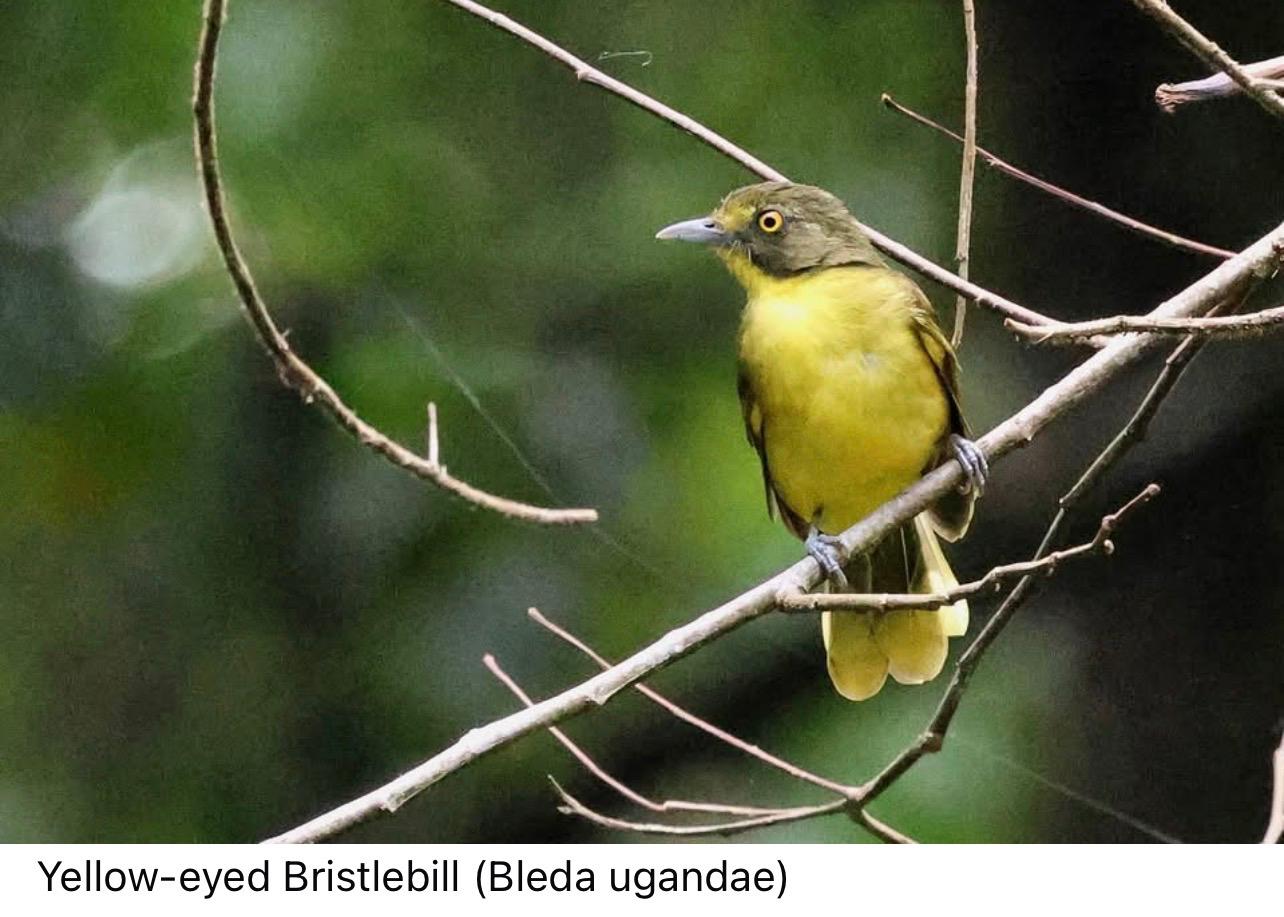
5. Botswana – Wetland and Okavango Delta Birding
Botswana is particularly famous for the Okavango Delta, a vast inland wetland that attracts a remarkable variety of waterbirds, raptors and other wildlife.
Seasonal flooding transforms the delta into a mosaic of channels, lagoons, islands and floodplains, creating outstanding opportunities for bird photography and wildlife observation.
Top birding locations in Botswana:
- Okavango Delta: Offers wetland and woodland birding, including opportunities to search for the Pel’s fishing owl.
- Chobe National Park: Known for riverine birdlife, waterbirds and raptors.
- Moremi Game Reserve: Combines floodplain, woodland and savannah habitats.
- Makgadikgadi Pans: Particularly interesting for flamingos and other waterbirds when suitable conditions develop.
Best time for birding: The wet season often brings breeding activity and migratory birds, while seasonal flooding influences bird distribution in the Okavango Delta.
Why visit Botswana? Birding can be combined with boat excursions, mokoro trips where conditions permit, game drives and luxury wilderness experiences.
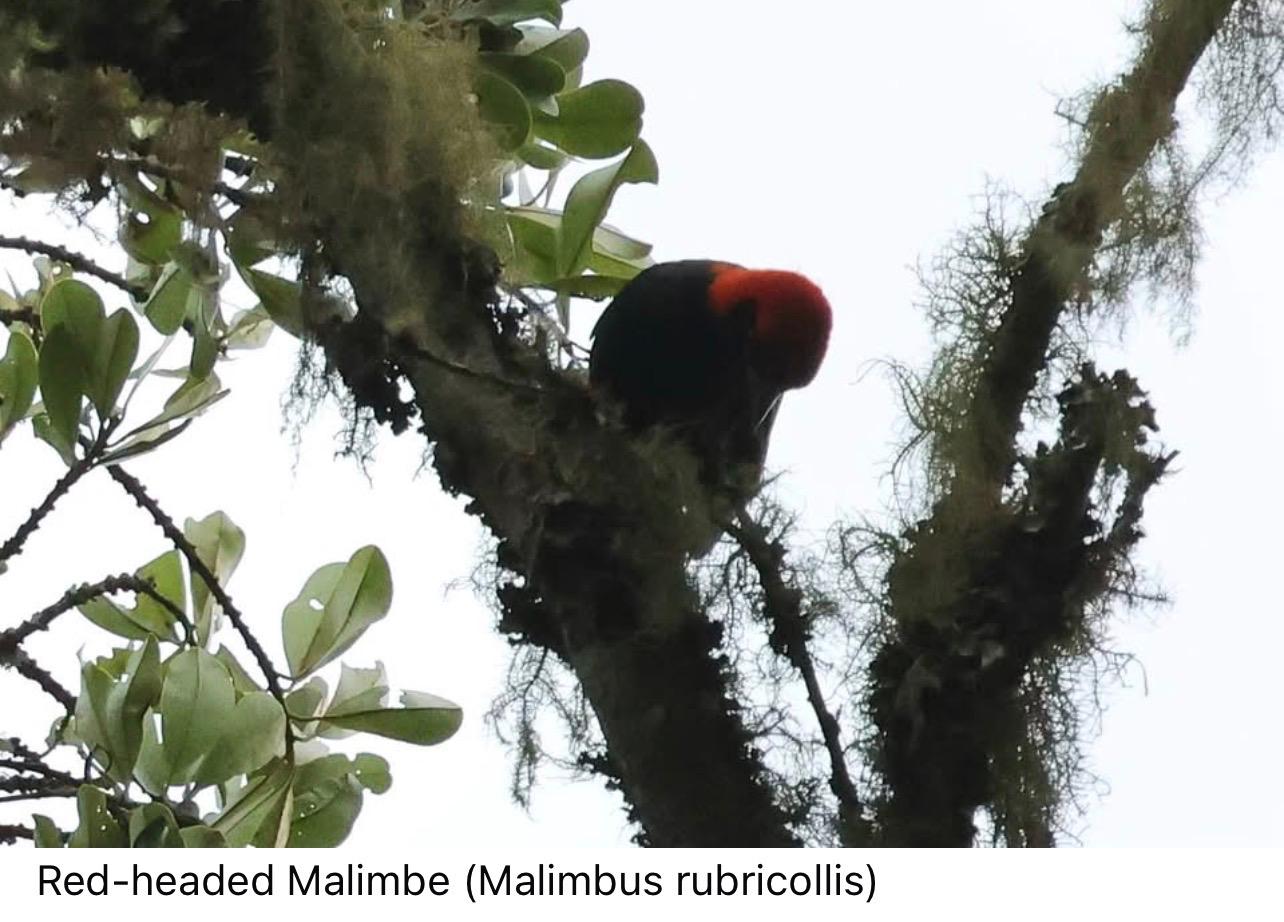
6. Namibia – Desert Birds and Spectacular Landscapes
Namibia offers a very different birdwatching experience, with desert-adapted species, coastal wetlands, rocky landscapes and open savannahs. It is an excellent destination for birders interested in arid-zone specialists and distinctive regional birds.
Top birding locations in Namibia:
- Walvis Bay: Important for flamingos, pelicans, shorebirds and other coastal birds.
- Etosha National Park: Offers waterhole birding, raptors and savannah species.
- Namib-Naukluft National Park: Suitable for searching for desert-adapted birds.
- Caprivi Strip, now known largely as the Zambezi Region: Supports riverine, wetland and woodland species.
- Damaraland: Offers opportunities to search for birds adapted to dry, rocky habitats.
Best time for birding: The rainy season can bring breeding activity and seasonal migrants, while coastal wetlands may provide excellent birdwatching at different times of the year.
Why visit Namibia? The country combines birding with dramatic desert scenery, excellent photographic opportunities and distinctive wildlife experiences.
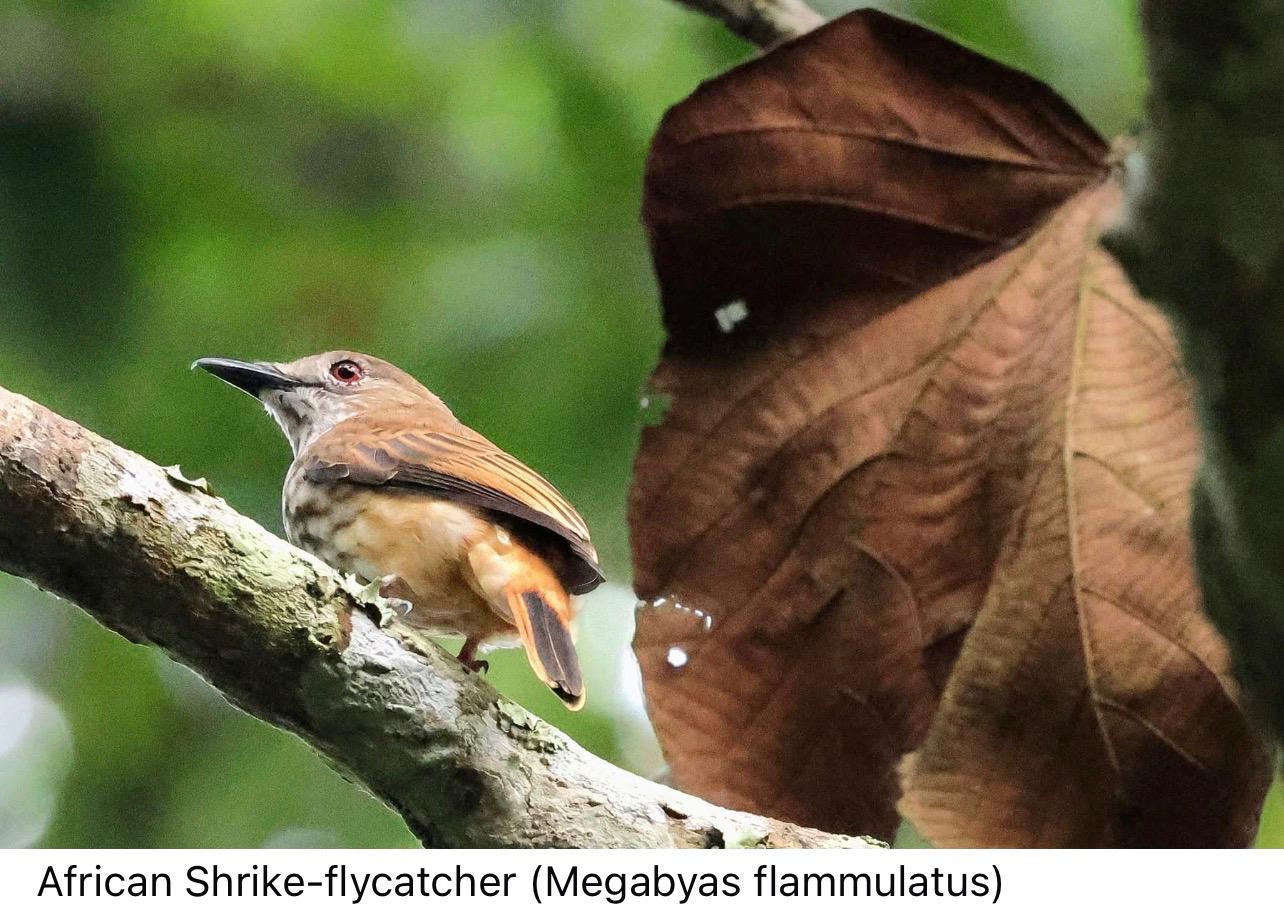
7. Ethiopia – A Paradise for Endemic Birds
Ethiopia is one of Africa’s most important destinations for birders seeking endemic and range-restricted species. Its highlands, lakes, wetlands and lowland habitats support an exceptional range of birdlife.
The Ethiopian Highlands are especially attractive to specialist birdwatchers interested in species found nowhere else in the world.
Top birding locations in Ethiopia:
- Bale Mountains National Park: Known for highland habitats and endemic species such as the blue-winged goose.
- Awash National Park: Offers dry-country and savannah birding.
- Lake Awasa and the Rift Valley lakes: Excellent for waterbirds and diverse wetland species.
- Simien Mountains National Park: Provides opportunities for highland birding and spectacular scenery.
- Jemma Valley: A well-known area for searching for the endemic Ethiopian bush-crow and other regional specialties.
Best time for birding: The dry season often offers easier access to many highland and lowland areas, although local conditions and breeding cycles should guide trip planning.
Why visit Ethiopia? It is ideal for travellers seeking endemic birds, dramatic mountain landscapes and a birding experience distinct from the classic East African savannah safari.
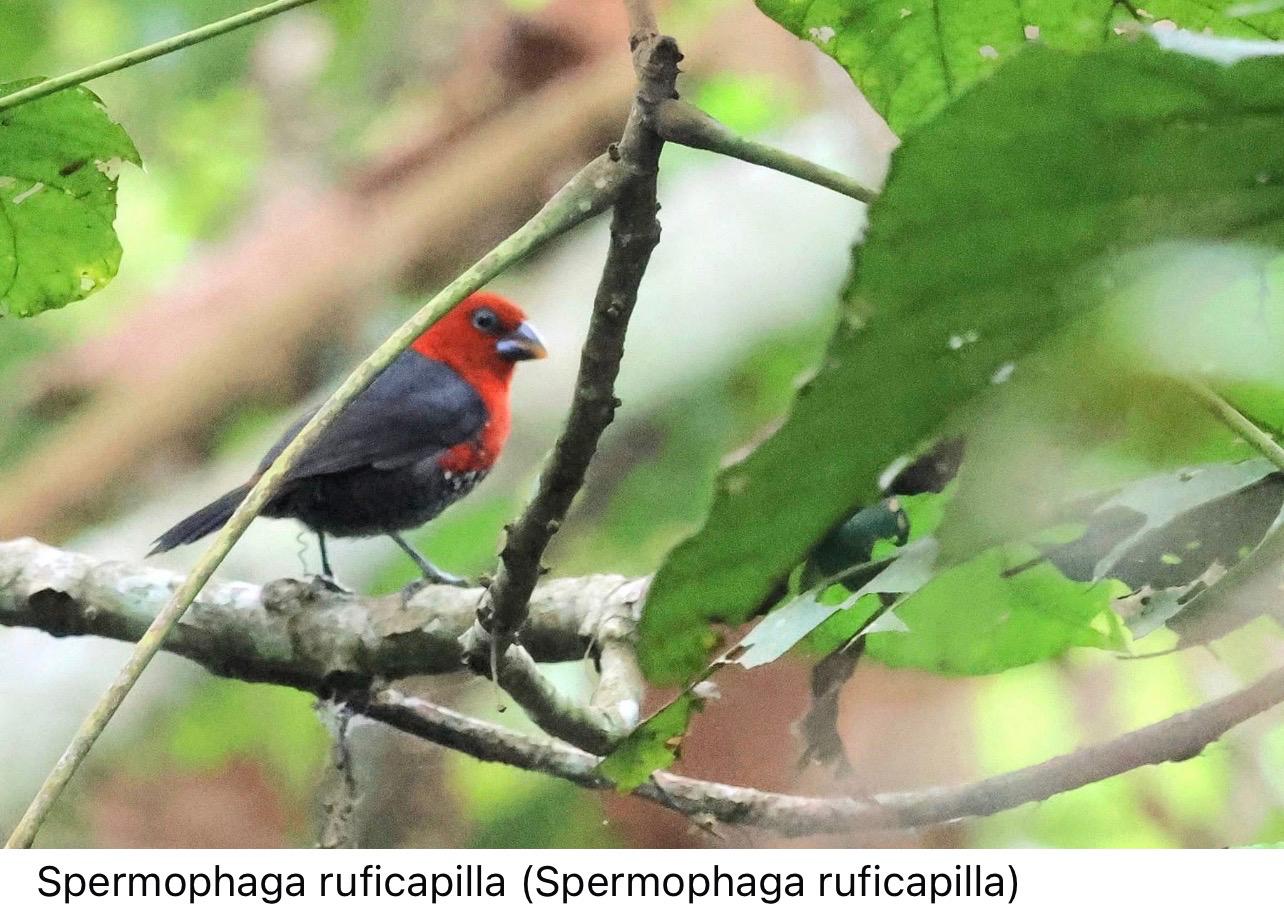
8. Rwanda – Albertine Rift Forest Birding
Rwanda is a compact but rewarding birdwatching destination, particularly for visitors interested in montane forests and Albertine Rift endemics. Its well-known conservation areas provide opportunities to combine birding with primate encounters and scenic highland travel.
Top birding locations in Rwanda:
- Nyungwe National Park: One of the country’s leading forest birding destinations, with numerous Albertine Rift specialties.
- Akagera National Park: Offers savannah, woodland and wetland birding.
- Volcanoes National Park: Provides opportunities for high-altitude forest and montane birding.
- Rugezi Marsh: An important wetland for waterbirds and specialised marsh species.
Best time for birding: Birding is possible throughout the year. Drier periods can make forest trails easier to navigate, while wetter periods may provide productive bird activity.
Why visit Rwanda? Travellers can combine forest birding with mountain gorilla trekking, golden monkey tracking, cultural experiences and visits to conservation projects.
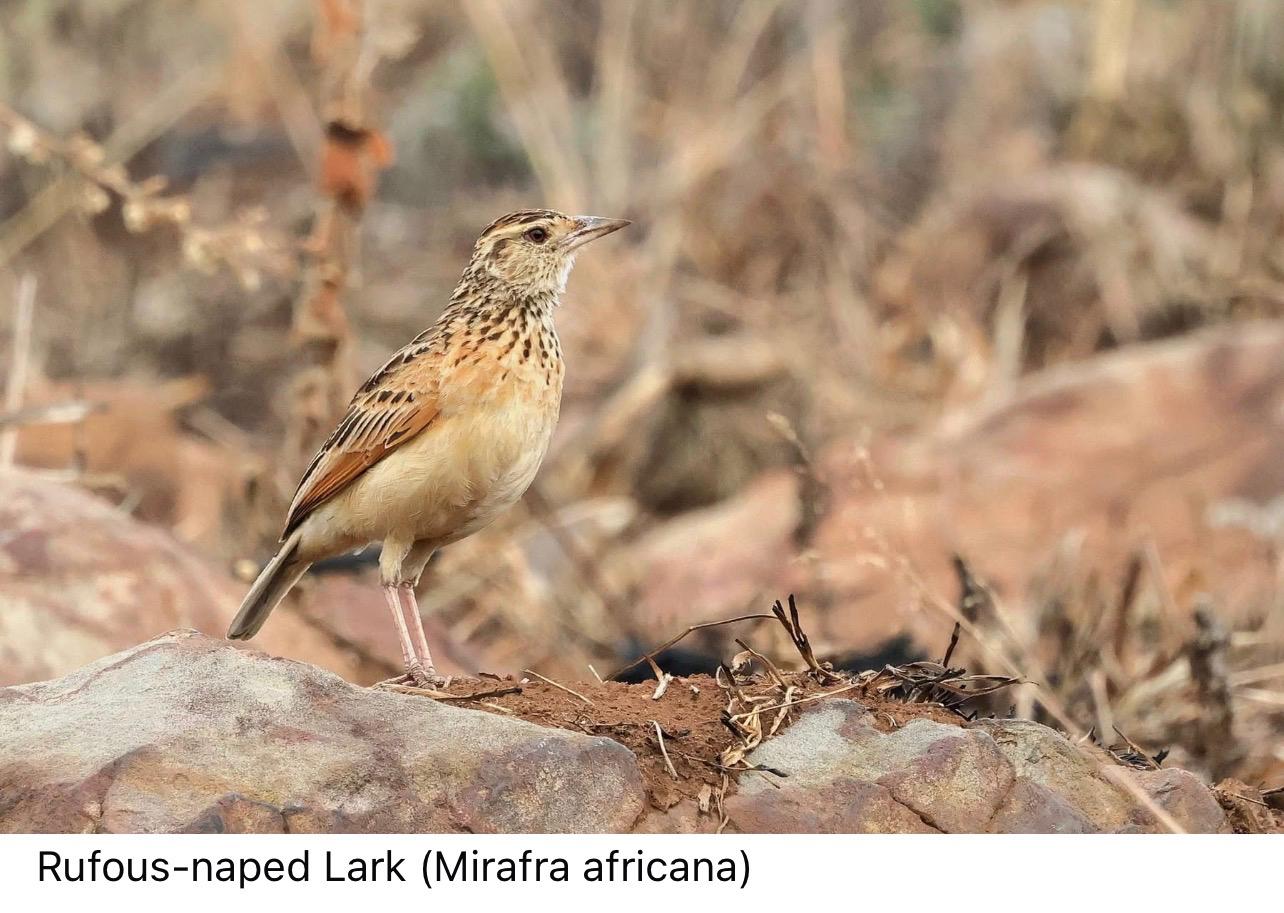
9. Madagascar – Unique Birds Found Nowhere Else
Madagascar is one of the world’s most distinctive wildlife destinations. Its long geographic isolation has produced extraordinary biodiversity, including many bird species that occur nowhere else.
The island is particularly appealing to birders interested in endemic families, specialised forest birds and unique ecosystems.
Top birding locations in Madagascar:
- Andasibe-Mantadia National Park: A major rainforest destination for endemic birds.
- Ranomafana National Park: Offers rich humid-forest birding.
- Masoala National Park: Protects extensive rainforest and coastal habitats.
- Ankarafantsika National Park: Known for dry-forest birds and specialised species.
- Berenty Reserve: Offers opportunities to combine birding with Madagascar’s famous lemurs and southern dry-forest landscapes.
Best time for birding: The warmer, wetter months generally support breeding activity, but the best travel period depends on the region, access conditions and target species.
Why visit Madagascar? It is an exceptional choice for specialist birders seeking endemic species and wildlife unlike that found anywhere else in Africa.
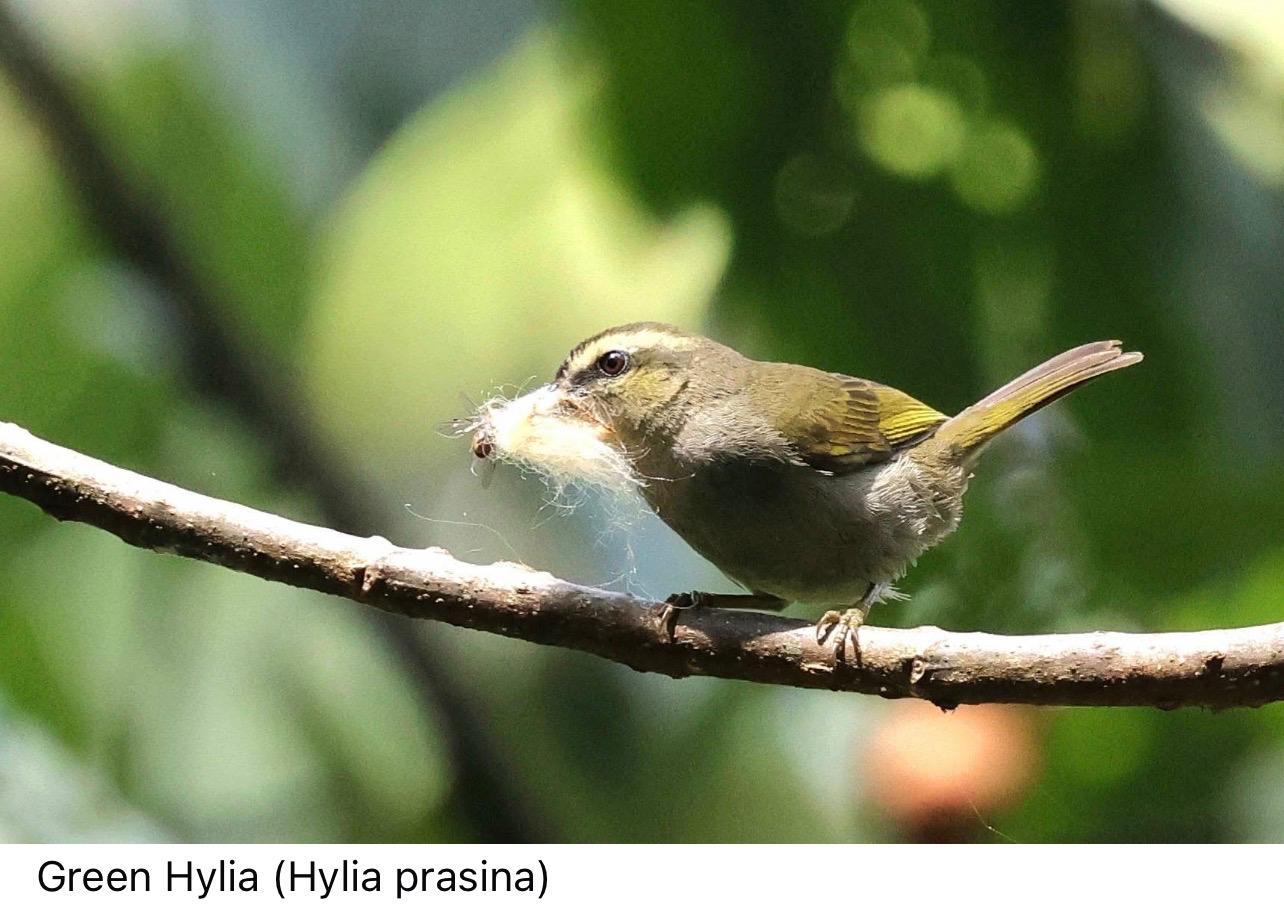
10. Zambia – Wetlands, Woodlands and Exceptional Birdlife
Zambia is an underrated birdwatching destination with extensive wetlands, miombo woodlands, river systems and protected wildlife areas. It offers rewarding birding experiences away from some of Africa’s busier safari routes.
Top birding locations in Zambia:
- Bangweulu Wetlands: Famous for opportunities to search for the rare shoebill.
- South Luangwa National Park: Excellent for woodland, riverine and savannah birds.
- Kafue National Park: Offers varied habitats and a rich bird community.
- Lower Zambezi National Park: Known for riverine birds, waterbirds and raptors.
- Liuwa Plain National Park: Offers open-grassland birding and seasonal wetland opportunities.
Best time for birding: The rainy season can be particularly rewarding for migratory birds and breeding activity, although some remote areas become harder to access. Drier periods often make travel and wildlife viewing easier.
Why visit Zambia? Birders can enjoy less-crowded wilderness areas, river safaris, walking safaris where available and opportunities to observe birds in pristine natural habitats.
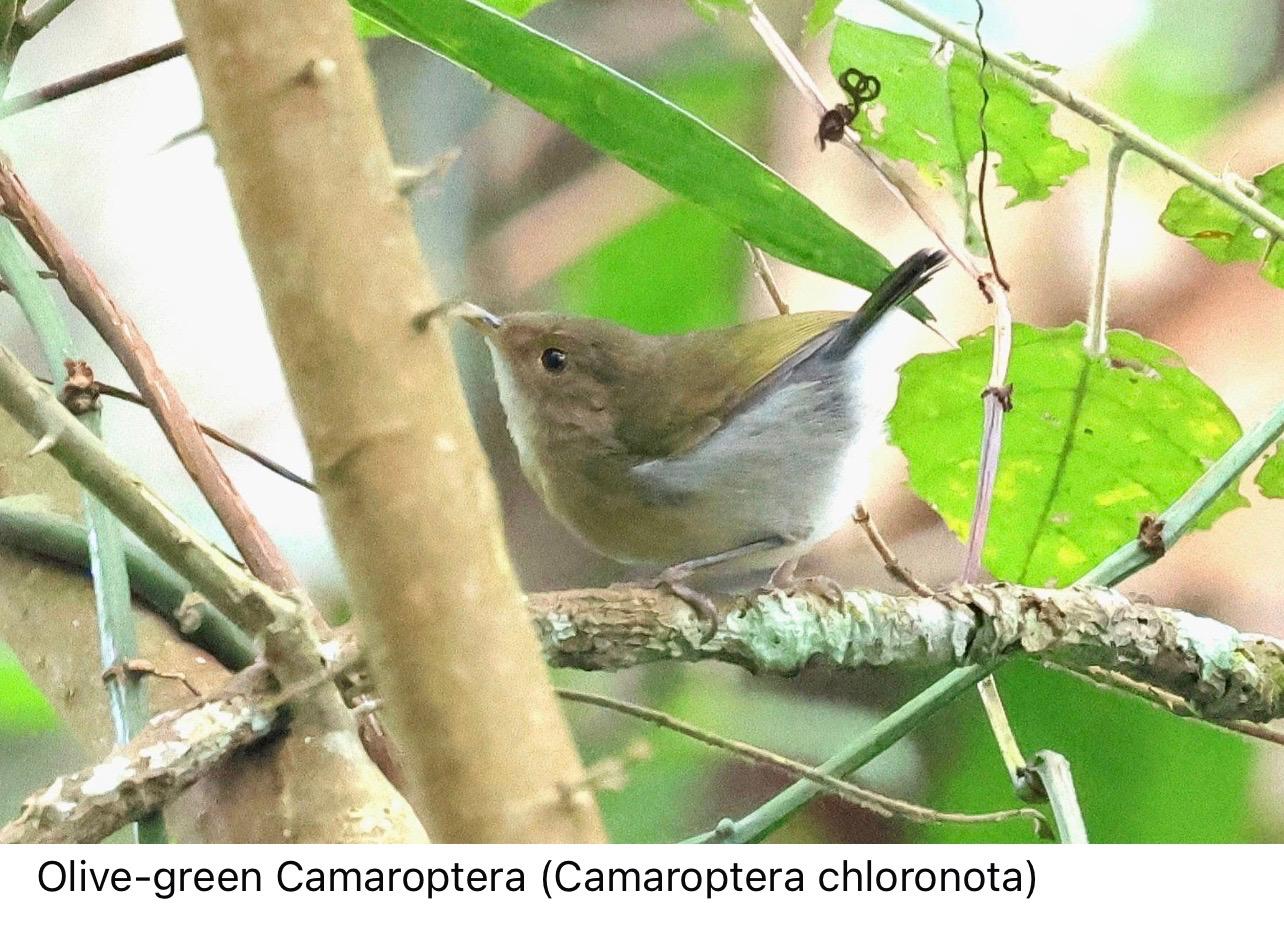
How to Choose the Best Birding Destination in Africa
The best destination depends on your target species, travel dates, budget, preferred habitat and level of birdwatching experience.
- Best all-round birding safari: Uganda, with its exceptional diversity of habitats and opportunities to combine birding with primate tracking.
- Best for the shoebill: Uganda’s Mabamba Bay and selected wetlands, with Zambia’s Bangweulu Wetlands also highly regarded.
- Best for Albertine Rift endemics: Uganda and Rwanda.
- Best for African savannah birds: Kenya, Tanzania and South Africa.
- Best for wetland birding: Botswana, Uganda and Zambia.
- Best for endemic birds: Ethiopia and Madagascar.
- Best for desert-adapted species: Namibia.
- Best for combining birding with gorilla trekking: Uganda and Rwanda.
These are broad recommendations rather than strict rankings. The best choice will depend on the particular birds you hope to see and the conditions during your visit.
Best Time to Go Birdwatching in Africa
Africa offers birdwatching opportunities throughout the year, but seasonal changes influence which species are present and how easily particular habitats can be reached.
Dry seasons often make roads, forest trails and remote birding sites easier to access. They can be especially useful for travellers combining birding with conventional wildlife safaris.
Wet seasons may provide increased breeding activity, nesting displays and the arrival of migratory birds. However, heavy rainfall can affect road conditions and access to certain locations.
Many African destinations also receive Palearctic migrants during the Northern Hemisphere’s cooler months, while intra-African movements vary by species and region. For the most productive trip, plan around your target species rather than relying on one season for the entire continent.
Essential Tips for Planning an African Birding Safari
To make the most of your birdwatching adventure, consider the following recommendations:
- Hire an experienced birding guide. Local knowledge can greatly improve your chances of locating difficult-to-see and specialised species.
- Bring suitable binoculars. Good-quality binoculars make it easier to identify birds in forests, wetlands and open landscapes.
- Carry a camera with a suitable lens. A telephoto lens is useful for bird photography, particularly when photographing shy or distant species.
- Use a regional bird checklist. A checklist helps you record sightings and focus on target species.
- Allow enough time. Specialist forest birding often requires patience, careful listening and repeated visits to particular habitats.
- Wear suitable clothing. Lightweight neutral-coloured clothing, rain protection, comfortable walking shoes and insect protection are useful in many environments.
- Support responsible tourism. Choose operators who respect wildlife, protected areas and local communities.
- Plan a realistic route. Distances, road conditions, domestic flights and seasonal accessibility should all be considered when building a multi-country birding itinerary.
Book Your African Birding Safari with Ngoni Safaris
At Ngoni Safaris Uganda, we believe birdwatching is one of the most rewarding ways to explore Africa’s natural heritage. From searching for the shoebill in Uganda’s wetlands to tracking forest specialties in Bwindi and Nyungwe, we can help you plan a memorable birding experience tailored to your interests.
Our safari planning services can include:
- Private birdwatching safaris in Uganda.
- Specialist birding trips to national parks, forests and wetlands.
- Uganda birding tours combined with gorilla trekking and chimpanzee tracking.
- Tailor-made itineraries for photographers, birding clubs and international travellers.
- Accommodation, transport, guiding and safari logistics.
Whether you are an experienced birder hoping to add rare species to your life list or a nature enthusiast discovering African birds for the first time, we can help you plan an adventure suited to your goals.
Start planning your African birding safari with Ngoni Safaris Uganda.
Website: https://www.ngonisafarisuganda.com
Email: info@ngonisafarisuganda.com
Contact Ngoni Safaris to discuss your preferred destinations, target bird species, travel dates and budget.
Frequently Asked Questions About Birding in Africa
1. Which African country is best for birdwatching?
Uganda is an excellent all-round choice because it combines high bird diversity with wetlands, rainforests, savannahs and Albertine Rift habitats. Ethiopia, South Africa, Kenya, Tanzania and Madagascar are also outstanding, depending on your target species.
2. Where can I see a shoebill in Africa?
Uganda is particularly well known for shoebill excursions at Mabamba Bay Wetland. Shoebills can also be found in other suitable wetland habitats in parts of Central and East Africa, including Zambia’s Bangweulu Wetlands.
3. How many bird species can I see on an African birding safari?
The total varies with the country, length of the trip, habitats visited, season and experience of your guide. A well-planned multi-day safari in a bird-rich country such as Uganda can produce an impressive species list, but sightings are never guaranteed.
4. Can I combine birdwatching with gorilla trekking?
Yes. Uganda and Rwanda are particularly suitable for combining birdwatching with mountain gorilla trekking. Uganda also offers chimpanzee tracking, wildlife game drives and boat excursions.
5. What should I bring on a birding safari?
Essential items include binoculars, a regional field guide or birding app, a camera if desired, a notebook, suitable walking shoes, neutral-coloured clothing, rain protection and insect repellent.
6. Is Africa suitable for beginner birdwatchers?
Absolutely. Africa has birding experiences for every level, from short guided wetland excursions to specialist multi-week expeditions. A knowledgeable local guide can help beginners identify species and understand their behaviour.
Conclusion
Africa is home to an extraordinary variety of birds and habitats, making it one of the world’s most exciting destinations for birdwatching. Whether you choose Uganda’s tropical forests, Kenya’s savannahs, Botswana’s wetlands, Ethiopia’s highlands or Madagascar’s endemic-rich forests, every destination offers a different perspective on the continent’s natural heritage.
For travellers seeking a diverse birding safari with opportunities to encounter primates and other wildlife, Uganda is an outstanding place to begin.
Plan your next birdwatching adventure with Ngoni Safaris Uganda and discover the beauty of Africa, one bird at a time.