However, recent news about Ebola outbreaks in the Democratic Republic of the Congo (DRC) and the wider region has understandably raised concerns among international travelers. Some visitors have considered postponing or canceling their long-awaited Uganda safari holidays.
At Ngoni Safaris Uganda, we understand that your health, safety, and peace of mind must always come first.
The important message is this: an Ebola outbreak in the region does not automatically mean that every Uganda safari must be canceled. Travelers should make informed decisions based on the latest official health guidance, their specific itinerary, and the entry requirements of their home country.
1. Understanding the Ebola Situation in Uganda in 2026
There is encouraging news for travelers considering Uganda.
On August 27, 2026, the World Health Organization (WHO) and Africa CDC welcomed the official end of Uganda’s Bundibugyo Ebola outbreak after the required 42-day monitoring period. Uganda’s outbreak involved 20 confirmed cases, and health authorities reported that local transmission had been interrupted.
Nevertheless, the situation in neighboring DRC remains serious. WHO’s November 2026 surveillance updates continue to document a major outbreak in the DRC, making continued vigilance and border surveillance essential.
Uganda’s Ministry of Health has maintained enhanced surveillance, particularly in high-risk border districts, to identify and respond quickly to any imported infections.
For visitors, this means it is important to distinguish between an active outbreak in a neighboring country, Uganda’s own reported health situation, and the actual risks associated with a planned safari route.
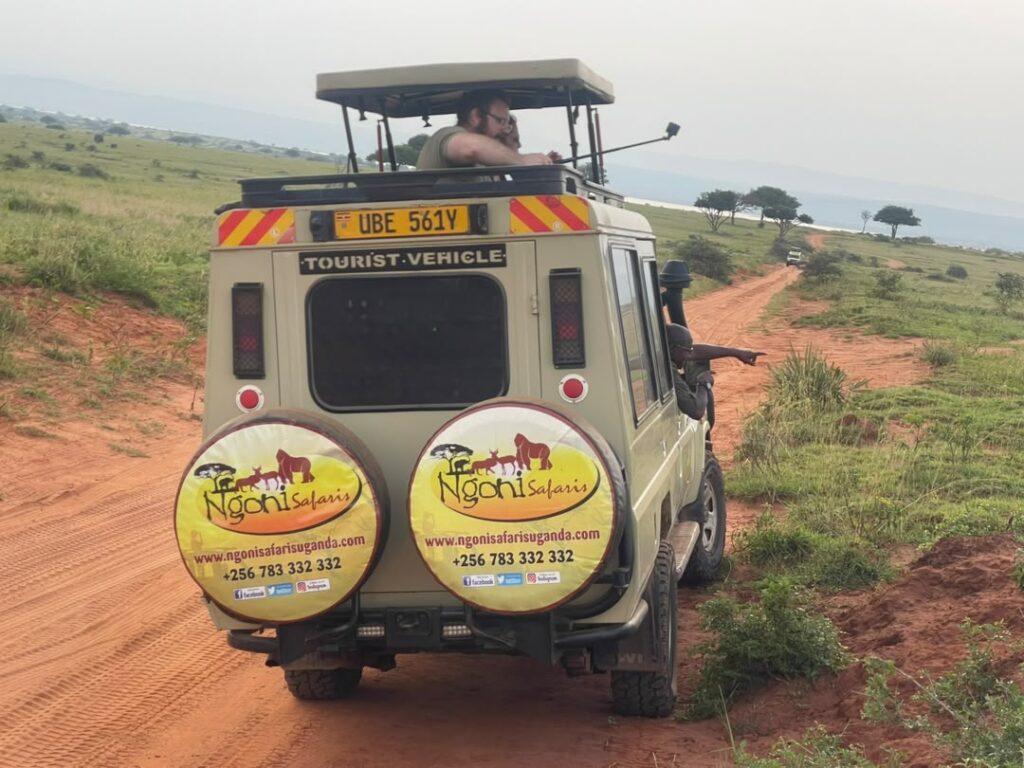
Game drive at murchison falls
2. Why You Shouldn’t Automatically Cancel Your Uganda Safari
There are several reasons to review your travel plans carefully before deciding to cancel.
Uganda has demonstrated its ability to respond to Ebola outbreaks
Uganda has experience managing infectious disease emergencies. During the 2026 response, health authorities used laboratory testing, contact tracing, patient isolation, clinical care, and strengthened border surveillance.
The WHO and Africa CDC recognized Uganda’s outbreak response when they announced the end of transmission in August.
International health authorities do not recommend blanket travel bans
WHO has advised against general travel and trade restrictions in response to the ongoing regional Ebola outbreak. However, this does not mean that every location or travel activity carries the same risk.
The US CDC currently recommends enhanced precautions for Uganda and stronger restrictions for certain affected areas of the DRC. Travelers must also consider their government’s separate travel advisory and any restrictions imposed by airlines or destination countries.
Your itinerary can be reviewed and adjusted
Not every Uganda safari follows the same route. A carefully planned itinerary can take account of changing public health advice, avoid restricted areas, and reduce unnecessary cross-border travel.
With Ngoni Safaris Uganda, guests can discuss alternative routes, travel dates, and arrangements before making a final decision.
3. Is Gorilla Trekking in Bwindi Safe During the Ebola Situation?
Gorilla trekking is one of the main reasons travelers visit Uganda, and it is natural to be concerned about visiting Bwindi Impenetrable National Park because of its proximity to the DRC.
Bwindi is home to endangered mountain gorillas and offers unforgettable guided trekking experiences through tropical rainforest.
However, proximity to the border makes current local conditions especially important. Visitors should not assume that Bwindi is unaffected simply because Uganda’s earlier outbreak was declared over.
Before traveling, tourists should confirm:
-
Current Uganda Wildlife Authority (UWA) trekking arrangements and any health restrictions.
-
The latest guidance for the specific trekking sector, including Buhoma, Ruhija, Rushaga, or Nkuringo.
-
Whether any temporary screening or health protocols apply.
-
Whether their travel insurance covers infectious disease disruptions and medical evacuation.
Gorillas are also susceptible to human illnesses. Visitors must follow all ranger instructions, maintain the required distance, and never trek when unwell.
Discover our Uganda gorilla trekking safari packages and speak with our team about current arrangements.
4. Uganda Offers Much More Than Gorilla Trekking
Even when travelers need to adjust their routes, Uganda offers a remarkable variety of wildlife and cultural experiences.
Kibale Forest National Park
Known for chimpanzee trekking, lush tropical forests, and exceptional primate diversity. Visitors can enjoy guided chimpanzee experiences and nature walks where permitted.
Queen Elizabeth National Park
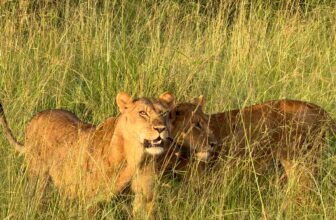
Famous for elephants, buffaloes, lions, game drives, and boat safaris along the Kazinga Channel.
Murchison Falls National Park
Experience spectacular Nile waterfalls, boat cruises, and classic African wildlife safaris.
Lake Bunyonyi
A beautiful destination for relaxing, canoeing, birdwatching, and enjoying Uganda’s green highland scenery.
These destinations illustrate the diversity of a Uganda safari, but alternatives should only be selected after checking current health and travel advice.
5. How Ngoni Safaris Uganda Helps Travelers Make Informed Decisions
At Ngoni Safaris Uganda, our goal is not simply to sell safari holidays. We want travelers to feel informed, prepared, and confident about their travel decisions.
We assist guests with practical safari planning, including:
-
Personalized itinerary planning: Reviewing routes and considering alternatives when circumstances change.
-
Private safari transportation: Comfortable 4×4 safari vehicles with experienced driver-guides.
-
Travel updates: Sharing relevant official information about national parks, tourism operations, and travel arrangements.
-
Accommodation coordination: Working with lodges to understand availability and applicable cancellation or postponement conditions.
-
Permit arrangements: Helping travelers understand the conditions attached to gorilla and chimpanzee trekking permits.
-
Travel flexibility: Discussing postponements or alternative arrangements where supplier policies permit.
We believe transparent communication is especially important during uncertain times.
6. Why Postponing Your Safari May Be Better Than Canceling
A Uganda safari is often planned months in advance. Gorilla trekking permits, chimpanzee permits, accommodation, and private vehicles may already have been reserved.
Canceling immediately can result in financial losses, particularly when non-refundable wildlife permits or supplier deposits are involved.
If your travel plans are affected by a health emergency, postponing may sometimes be a more practical option.
At Ngoni Safaris Uganda, we can discuss transferring eligible deposited amounts toward a future safari, subject to the applicable booking conditions.
Important: Postponement does not automatically transfer existing wildlife permits, lodge reservations, or other supplier bookings. These arrangements may require separate approval, additional charges, or new availability.
Read our Ngoni Safaris booking terms and cancellation conditions before making a decision.
7. Practical Ebola Precautions for Travelers Visiting Uganda
Ebola is a serious disease, and every traveler should take official health advice seriously.
Before departure, check your government’s travel advisory, CDC or WHO guidance, and the current requirements for entering and leaving Uganda.
During your journey, follow these precautions:
-
Avoid contact with the blood or bodily fluids of anyone who is sick.
-
Avoid contact with sick or dead wild animals, including primates and bats.
-
Wash your hands regularly and follow recommended hygiene practices.
-
Cooperate with any health screening at airports, border crossings, and tourism facilities.
-
Avoid health facilities treating Ebola patients unless you are seeking necessary medical care.
-
Seek immediate medical advice if you develop symptoms consistent with Ebola after a possible exposure, and call ahead before visiting a medical facility.
Travelers should also confirm whether their insurance includes emergency medical treatment, evacuation, and epidemic-related trip interruption.
For current guidance, consult the World Health Organization’s outbreak updates and CDC’s Ebola travel health notice.
8. Your Uganda Safari Supports Local Communities and Wildlife Conservation
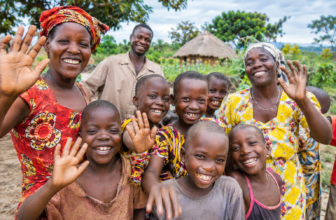
Tourism is an important source of employment and income for communities around Uganda’s national parks.
Safari tourism supports local guides, drivers, lodge employees, artisans, farmers, and many other people whose livelihoods depend on visitors.
Gorilla trekking also contributes to conservation funding and helps create economic incentives to protect endangered mountain gorillas and their forest habitats.
At Ngoni Safaris Uganda, we believe responsible tourism can make a meaningful difference to local communities.
However, supporting tourism should never mean ignoring genuine health risks. Traveling responsibly means respecting public health guidance while helping sustain conservation and community livelihoods whenever travel is appropriate.
9. Frequently Asked Questions About Ebola and Uganda Safaris
Is Uganda safe for tourists in November 2026?
Uganda’s 2026 Ebola outbreak was declared over in August, but the regional situation remains serious. Travelers should check current government advisories, their planned destinations, and any entry or return restrictions before deciding to travel.
Should I cancel my gorilla trekking safari because of Ebola?
Not automatically. First, review the latest official guidance for your specific trekking sector, travel dates, and home country. If your route is affected by restrictions or your government advises against travel, postponement may be appropriate.
Is Ebola transmitted through the air like COVID-19?
Ebola is primarily transmitted through direct contact with infected blood or other bodily fluids, or contaminated materials. It is not generally spread through ordinary airborne transmission in the way that measles is.
Can I postpone my safari with Ngoni Safaris Uganda?
Postponement options can be discussed depending on your booking conditions, lodge policies, permit rules, and availability for your preferred new dates.
Are Uganda’s national parks still welcoming tourists?
Tourism arrangements may vary by park and date. Visitors should confirm current operations and any temporary restrictions before departure rather than assuming all parks have identical conditions.
Will my travel insurance cover cancellation because of Ebola?
Coverage depends on your insurer and policy wording. Some policies exclude known outbreaks, government travel advisories, or cancellations based solely on concern. Confirm your coverage directly with your insurance provider.
10. Final Thoughts: Don’t Let Fear Alone Decide Your Uganda Safari
Uganda remains an extraordinary destination, with mountain gorillas, chimpanzees, beautiful national parks, welcoming communities, and unforgettable wildlife experiences.
The Ebola situation in the region deserves serious attention. At the same time, travelers should distinguish verified health information from alarming headlines and avoid making expensive cancellation decisions without understanding their options.
The right decision depends on current conditions, your safari itinerary, official travel advice, and your individual circumstances.
At Ngoni Safaris Uganda, we are committed to helping guests make responsible, informed decisions about their safari holidays.
Whether you are planning a gorilla trekking adventure, a wildlife safari, or a longer journey through Uganda and East Africa, our team is ready to discuss your travel arrangements.
Plan Your Uganda Safari With Ngoni Safaris