Uganda is one of Africa’s most rewarding safari destinations, offering mountain gorilla trekking, chimpanzee encounters, classic game drives, boat safaris, birdwatching and rich cultural experiences. If you are planning your first journey to the “Pearl of Africa,” these answers will help you prepare.
1. What is the best time to go on safari in Uganda?
Uganda is a year-round safari destination. The drier periods—from June to September and December to February—are generally the most popular because roads and forest trails are easier to navigate, while wildlife often gathers near water sources.
The wetter months, especially March to May and October to November, can bring heavier rainfall, but they also offer greener landscapes, fewer visitors and excellent birdwatching. Rain can occur at any time, particularly in rainforest areas, so travellers should always pack a light waterproof jacket.
2. Which places should I visit on a Uganda safari?
The best destinations depend on your interests and the length of your trip. Popular choices include:
- Bwindi Impenetrable National Park and Mgahinga Gorilla National Park for mountain gorilla trekking
- Kibale National Park for chimpanzee trekking and other primates
- Queen Elizabeth National Park for game drives, the Kazinga Channel boat cruise and the tree-climbing lions of Ishasha
- Murchison Falls National Park for wildlife, Nile boat safaris and the powerful Murchison Falls
- Kidepo Valley National Park for remote wilderness and spectacular scenery
- Lake Mburo National Park for zebras, giraffes, walking safaris, cycling and horse riding
- Ziwa Rhino Sanctuary for guided rhino tracking
Ngoni Safaris can combine several of these destinations in a tailor-made itinerary.
3. How much does a Uganda safari cost?
The cost depends on the number of travellers, trip duration, accommodation level, route, season and included activities. Gorilla and chimpanzee permits, domestic flights, private transport and premium lodges can significantly affect the total price.
Travelling with family or friends can reduce the per-person transport cost because the safari vehicle and guide are shared. Ngoni Safaris offers budget, mid-range, luxury and fully customised options, with a clear list of inclusions and exclusions in every quotation.
4. Do I need a permit for gorilla or chimpanzee trekking?
Yes. Every participant needs a valid permit for gorilla trekking, gorilla habituation, chimpanzee trekking or chimpanzee habituation. Permits are limited and should be reserved as early as possible, especially during peak travel months.
To secure a permit, travellers must normally provide their preferred date and passport details and make the required payment. Permit fees and availability can change, so Ngoni Safaris will confirm the current official rate and availability before booking.
5. Is gorilla trekking physically difficult?
The difficulty varies according to the gorillas’ location, the weather, the terrain and your assigned trekking group. A trek may take anything from a short walk to several hours through steep, muddy and densely forested terrain.
You do not need to be an athlete, but reasonable fitness and suitable walking shoes are important. Hiring a local porter is highly recommended; porters can carry your bag and provide support on difficult sections while also earning valuable income from tourism. Travellers with limited mobility may request additional assistance in advance, subject to availability and extra cost.
6. What wildlife can I see in Uganda?
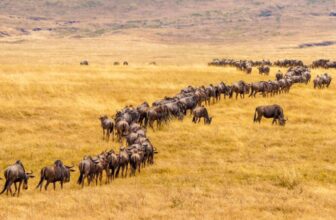
Uganda offers an exceptional mix of forest and savannah wildlife. Depending on your itinerary, you may see mountain gorillas, chimpanzees, lions, leopards, elephants, giraffes, buffaloes, hippos, crocodiles, zebras, rhinos, antelopes and many monkey species.
Uganda is also one of Africa’s leading birdwatching destinations, with more than 1,000 recorded bird species. Sought-after birds include the shoebill, grey crowned crane, great blue turaco and African fish eagle. Wildlife sightings are natural and cannot be guaranteed, but experienced guides choose the best areas and times to improve your chances.
7. Is Uganda safe for safari travellers?
Uganda welcomes many international visitors, and established safari routes are generally travelled with professional guides. As in any destination, visitors should follow current travel advice, protect valuables, avoid walking alone in unfamiliar areas after dark and listen to their guide and park rangers.
Ngoni Safaris monitors local conditions, uses experienced driver-guides and plans routes with guest safety in mind. Comprehensive travel insurance covering medical treatment, evacuation, trip interruption and planned adventure activities is strongly recommended.
8. What accommodation is available on a Uganda safari?
Uganda has accommodation for different budgets, including guesthouses, tented camps, eco-lodges, comfortable mid-range lodges, boutique hotels and luxury safari properties. Many lodges are located near national parks or overlook forests, lakes, rivers and savannah plains.
Rooms are subject to availability, particularly during peak seasons. Ngoni Safaris selects properties according to your budget, comfort preferences, dietary requirements and itinerary, and can recommend family rooms, twin rooms, double rooms or private cottages where available.
9. What should I pack for a Uganda safari?
Pack light, practical clothing in neutral colours. Useful items include:
- Comfortable walking or hiking boots
- Long trousers and long-sleeved shirts for forest treks
- A waterproof jacket or poncho
- A warm layer for cool mornings and evenings
- A hat, sunscreen, insect repellent and reusable water bottle
- Gardening-style gloves for gorilla or chimpanzee forest trekking
- Binoculars, camera equipment and spare batteries
- Any personal medicine and copies of important travel documents
Avoid very bright colours and camouflage clothing. Soft-sided luggage is preferable, especially when using small domestic aircraft.
10. How do I book a Uganda safari with Ngoni Safaris?
Send Ngoni Safaris your preferred travel dates, number of travellers, arrival and departure points, interests, accommodation level and approximate budget. The team will prepare a tailor-made itinerary and quotation based on your priorities.
Once you approve the itinerary, a deposit is required to reserve permits, accommodation and other services. The exact payment schedule and cancellation conditions will be stated in your booking documents. Because permits and popular lodges can sell out, early booking is recommended.
Plan Your Uganda Safari with Ngoni Safaris
Whether you are dreaming of meeting mountain gorillas, tracking chimpanzees, photographing lions, cruising the Nile or searching for the shoebill, Ngoni Safaris can create a private journey designed around your time, interests and budget.
Contact Ngoni Safaris Uganda Ltd for a personalised safari itinerary and quotation.