Uganda is a rewarding destination throughout the year, but the best time to visit depends on the experiences you want, the regions you plan to explore and your tolerance for rain. For most travellers, the dry seasons from June to September and December to February offer the easiest conditions for gorilla trekking, chimpanzee trekking, game drives and road travel.
The wetter months also have important advantages. Uganda becomes exceptionally green, birdlife is abundant, crowds are often smaller and some lodges may offer better value. Rain usually comes in showers rather than lasting all day, although weather patterns can vary from one region and year to another.
At Ngoni Safaris Uganda, we plan each itinerary around the traveller’s interests, preferred pace and travel season.
Uganda’s Climate and Travel Seasons
Uganda lies across the Equator, but its elevation gives much of the country a pleasant tropical climate. Daytime temperatures are generally warm, while mornings and evenings can feel cool in highland areas such as Bwindi, Mgahinga and the Rwenzori Mountains.
Uganda generally experiences:
- Longer dry season: June to September
- Shorter dry season: December to February
- Longer rainy season: March to May
- Shorter rainy season: October to November
These seasons are useful for planning, but they are not fixed guarantees. Brief showers can occur during a dry month, while sunny days are also common during the rainy season.
Best Overall Time to Visit Uganda
The best overall months for a classic Uganda safari are usually June, July, August, September, January and February. Trails tend to be less muddy, roads are generally easier to navigate and animals often gather around rivers and other water sources.
These months are especially suitable for travellers combining several highlights, including:
- Gorilla trekking in Bwindi Impenetrable or Mgahinga Gorilla National Park
- Chimpanzee trekking in Kibale Forest
- Game drives in Queen Elizabeth, Murchison Falls, Kidepo Valley and Lake Mburo national parks
- Boat safaris on the Kazinga Channel and River Nile
- Hiking, photography and cultural experiences
Because the dry seasons are popular, gorilla permits and preferred lodges should be booked well in advance.
Best Time for Gorilla Trekking
Gorilla trekking is available throughout the year in Bwindi Impenetrable National Park and Mgahinga Gorilla National Park. However, many visitors prefer the drier months from June to September and December to February, when forest paths are usually firmer and less slippery.
The wet seasons can still be excellent for gorilla trekking. The forest is lush, visitor numbers may be lower and photographers often enjoy the rich green backgrounds and softer light. Trekkers should expect mud and carry waterproof clothing, sturdy hiking boots and protection for cameras and other valuables.
Gorilla permits are limited and must be secured before travel. Booking early is particularly important during the busiest months.
Best Time for Wildlife Safaris
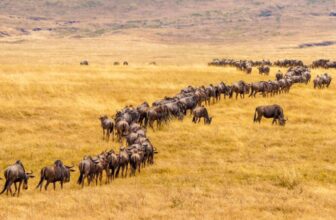
For traditional game viewing, June to September and January to February are generally the strongest periods. Vegetation becomes less dense in many savannah areas, and wildlife may be easier to locate near permanent water sources.
Recommended wildlife destinations include:
- Murchison Falls National Park for elephants, giraffes, lions, buffaloes and Nile boat safaris
- Queen Elizabeth National Park for diverse wildlife, the Kazinga Channel and the tree-climbing lions of Ishasha
- Kidepo Valley National Park for dramatic landscapes and remote wilderness
- Lake Mburo National Park for zebras, elands, impalas, walking safaris and horseback riding
- Ziwa Rhino Sanctuary for guided rhino tracking
Wildlife is present year-round, so a well-planned wet-season safari can also be highly rewarding.
Best Time for Chimpanzee Trekking
Chimpanzee trekking in Kibale Forest takes place throughout the year. The drier seasons usually provide more comfortable walking conditions, especially for travellers who want to combine chimpanzee trekking with other forest and savannah activities.
During wetter periods, food may be more widely available in the forest, and chimpanzees can sometimes be encountered closer to the starting area. Conditions remain unpredictable because chimpanzees are wild and mobile. Other places offering primate experiences include Budongo Forest, Kalinzu Forest and Kyambura Gorge.
Best Time for Birdwatching
Uganda is an outstanding birding destination in every season. The period from November to April is especially attractive because resident species are joined by many migratory birds. Wet-season landscapes also support active breeding and feeding behaviour.
Birding highlights include:
- Mabamba Wetland for the shoebill
- Bwindi for Albertine Rift endemics
- Murchison Falls for savannah and water birds
- Queen Elizabeth for wetland, woodland and grassland species
- Semuliki for Central African forest species
- Lake Mburo for acacia-associated birds
Travellers focused mainly on birding should consider accepting some rain in exchange for greater seasonal variety.
Best Time for Hiking and Mountain Adventures
The drier months are generally preferred for hiking in the Rwenzori Mountains, Mount Elgon, Bwindi and Mgahinga. December to February and June to August often provide more manageable trail conditions, although mountain weather can change quickly at any time.
Hikers should always prepare for rain, cold temperatures, mist and muddy ground, especially at higher elevations. Proper clothing, suitable boots and an experienced guide are essential.
Visiting Uganda During the Rainy Seasons
The rainy seasons, particularly March to May and October to November, should not automatically be avoided. They may suit travellers seeking greener scenery, fewer vehicles in popular parks and a quieter experience.
Advantages of rainy-season travel can include:
- Beautiful green landscapes
- Excellent conditions for landscape photography
- Strong birding opportunities
- Fewer visitors at some attractions
- Possible low-season offers from selected lodges
Possible challenges include muddy forest trails, occasional delays on unpaved roads and sudden changes to outdoor activities. A reliable four-wheel-drive safari vehicle and a flexible itinerary are particularly valuable during this period.
Uganda Month by Month
January and February
These are generally warm and relatively dry months. They are excellent for gorilla trekking, chimpanzee trekking, game drives and combined Uganda safaris. Early booking is advisable.
March, April and May
This is usually the main rainy season. April is often among the wettest months. The countryside is beautifully green, but some roads and trekking trails can become muddy. These months can appeal to photographers, birders and travellers who prefer fewer visitors.
June, July and August
This is one of Uganda’s most popular travel periods. Conditions are generally favourable for trekking, wildlife viewing and family safaris. Demand for permits and accommodation is high, so advance reservations are recommended.
September
September is often still favourable for safaris and trekking, although rainfall may begin to increase toward the end of the month. It can be a good transition period for travellers seeking strong overall conditions.
October and November
These months usually bring the shorter rains. Landscapes turn green, migratory birds begin to arrive and visitor numbers may be lower. Travellers should be ready for showers and flexible driving times.
December
Rainfall often reduces as the month progresses, making December popular for festive-season holidays. Gorilla permits, lodges and safari vehicles can fill quickly, so early planning is important.
When Should You Book Your Uganda Safari
Travellers planning to visit during June to September, Christmas, New Year or other busy holiday periods should reserve their safari several months in advance. Gorilla and chimpanzee permits have limited daily availability, and the most popular lodges may sell out early.
Travellers with flexible dates can ask Ngoni Safaris Uganda to compare seasons, accommodation categories and route options before confirming.
What to Pack in Every Season
Uganda’s weather can change quickly, so every traveller should pack for both sunshine and rain. Useful items include:
- Lightweight, breathable clothing in neutral colours
- A waterproof jacket or poncho
- Strong, comfortable walking boots
- Long trousers and long-sleeved shirts for forest walks
- Sun protection, insect repellent and a reusable water bottle
- A warm layer for cool mornings and highland evenings
- Waterproof protection for cameras, phones and documents
Plan Your Uganda Safari with Ngoni Safaris
There is no single perfect month for every visitor. Choose June to September or December to February for generally drier trekking and safari conditions. Consider March to May or October to November for green scenery, birding, fewer visitors and possible seasonal value.
Ngoni Safaris Uganda designs private and tailor-made journeys for solo travellers, couples, families and groups. We can combine gorilla trekking, chimpanzee encounters, wildlife safaris, birdwatching, cultural visits and relaxation into one carefully planned itinerary.
Contact Ngoni Safaris Uganda to choose the best travel dates and create a Uganda safari suited to your interests, comfort level and budget.
Frequently Asked Questions
What is the best month to visit Uganda
July and August are among the most popular months because conditions are generally dry and suitable for trekking and wildlife viewing. January and February are also excellent choices.
Can I visit Uganda during the rainy season
Yes. Uganda welcomes visitors throughout the year. Rainy-season travel offers green scenery, strong birding and potentially fewer visitors, although trekking trails and some roads may be muddy.
What is the cheapest time to visit Uganda
The wetter months may provide better-value accommodation at selected properties, but rates and offers vary. Gorilla and chimpanzee permit prices and availability should always be confirmed when booking.
Is gorilla trekking available all year
Yes. Gorilla trekking operates throughout the year, subject to permit availability and park conditions. The dry seasons are popular because trails are usually easier to walk.
How far in advance should I book
Booking several months ahead is recommended, particularly for peak-season travel. Travellers with fixed dates should secure gorilla permits as early as possible.