Ash Dykes Explores the Congo Basin: A Daring Journey Along the Sangha River
By Ngoni Safaris Uganda
Discover the Congo Basin through the extraordinary expedition of adventurer Ash Dykes, who is navigating one of Central Africa’s most remote river systems by kayak.
Introduction: An Extraordinary Expedition into the Congo Basin
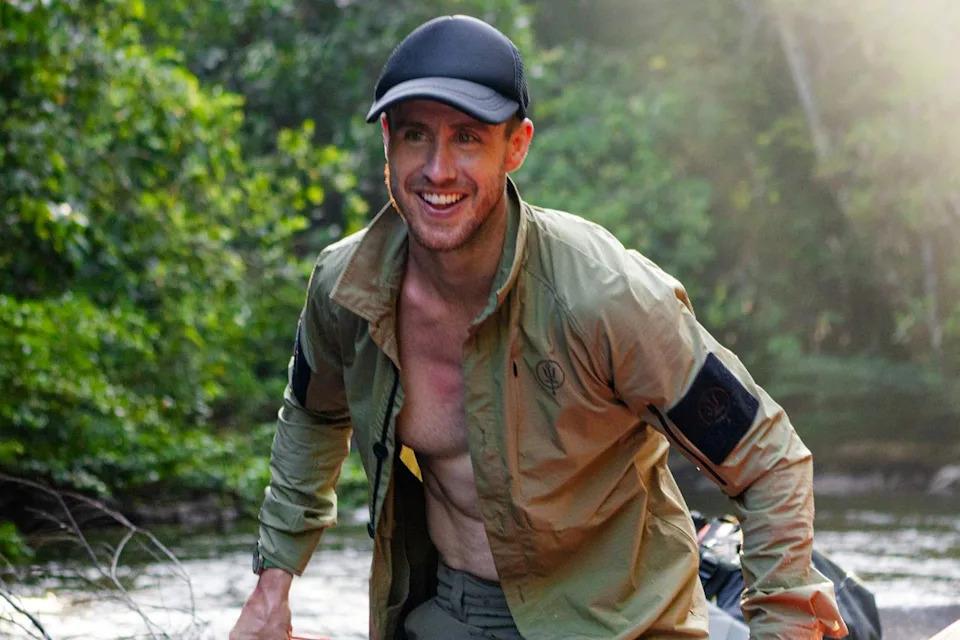
The Congo Basin is once again capturing global attention as British-Welsh adventurer Ash Dykes embarks on a challenging expedition through one of the world’s most remarkable tropical rainforest regions. His latest adventure forms the opening mission of Project 6, a series of six expeditions planned across extreme environments over 12 months.
According to Dykes’ official expedition website, the first mission involves paddling more than 700 kilometres (approximately 435 miles) along the Sangha River, travelling from Nola in the Central African Republic towards Mossaka in the Republic of the Congo. The expedition combines river navigation, wilderness survival, wildlife observation and engagement with communities whose lives are closely connected to the forest.
For Ngoni Safaris Uganda, this journey highlights the incredible natural heritage of Central Africa and the importance of responsible tourism, conservation and respect for local knowledge.
Who Is Ash Dykes?
Ash Dykes is an internationally recognised adventurer, explorer, author and television presenter known for undertaking demanding journeys across remote landscapes.
His previous expeditions have included crossing Mongolia, travelling the length of Madagascar and following the Yangtze River in China. Through his adventures, he has documented challenging environments and shared stories of human endurance, exploration and the natural world.
His Congo Basin mission represents another major challenge. Unlike a conventional safari, where travellers explore wildlife habitats with experienced guides and established logistical support, this expedition requires prolonged river travel, careful preparation and the ability to respond to rapidly changing conditions.
The Sangha River: A Gateway into the Congo Basin
The Sangha River is an important tributary within the wider Congo River system. Its waters flow through Central African rainforest landscapes that support diverse wildlife, plant species and communities.
Ash Dykes’ planned route connects Nola in the Central African Republic with Mossaka in the Republic of the Congo. Travelling by inflatable kayak, he and his team face a demanding combination of river currents, remote campsites, tropical weather and limited access to medical facilities.
The Congo Basin is one of the world’s great ecological treasures. Its rivers provide transport routes, support fisheries and connect settlements separated by extensive forests. For many communities, these waterways are essential to everyday life.
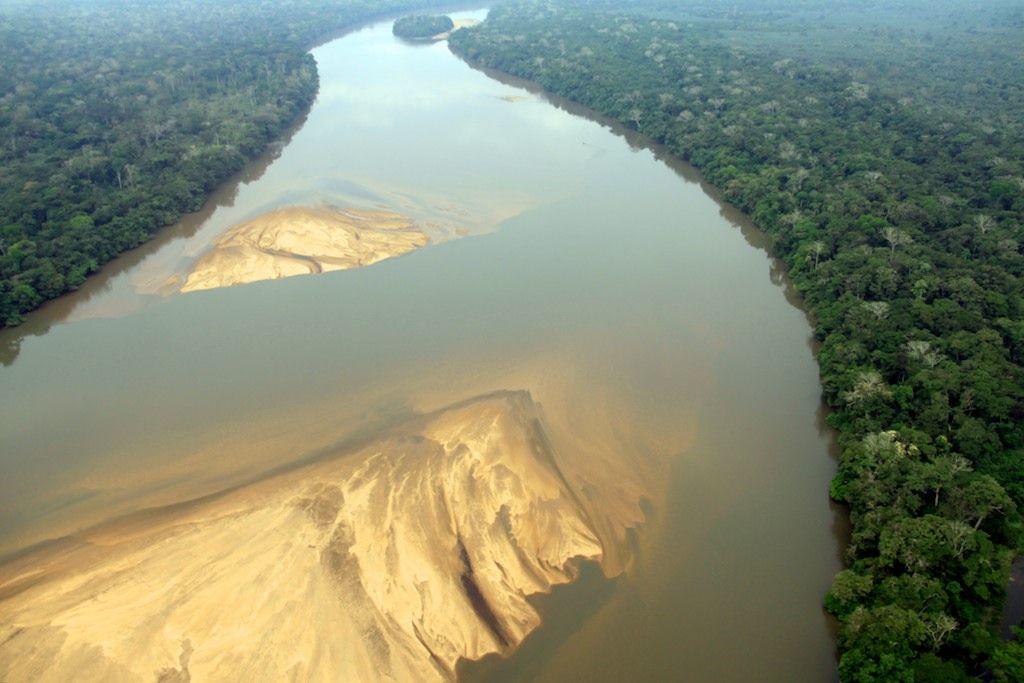
The Sangha River
Wildlife in the Congo Basin Rainforest
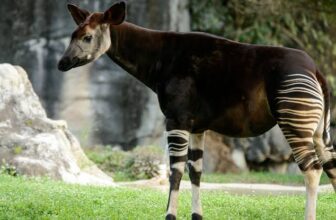
The Congo Basin contains an extraordinary range of wildlife, including species adapted to dense forests, wetlands and river habitats.
African forest elephants
African forest elephants are smaller than their savannah relatives and inhabit dense tropical forests. They play an important ecological role by dispersing seeds and helping shape the structure of forest vegetation.
Western lowland gorillas
The region supports western lowland gorillas, one of Africa’s great ape species. These intelligent primates live in forest habitats and face pressures from habitat loss, disease and illegal hunting.
Chimpanzees and other primates
Several primate species inhabit the wider Congo Basin, including chimpanzees and different monkey species. Their behaviour, feeding patterns and interactions contribute to the complexity of the rainforest ecosystem.
Hippos and crocodiles
River travel can bring explorers into habitats used by hippos and crocodiles. These animals are powerful and potentially dangerous, making distance, route planning and expert local guidance essential.
Forest birds, reptiles and insects
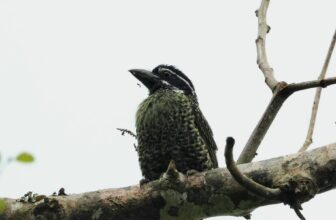
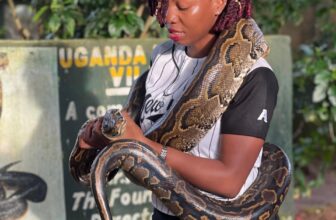
The forest also shelters colourful birds, snakes, frogs, butterflies and countless insects. Although many are difficult to observe beneath the dense canopy, they form an essential part of the region’s biodiversity.
The Challenges of Exploring the Congo Basin
The Congo Basin is beautiful, but it is not an easy environment to navigate. Its remoteness and tropical conditions create serious challenges for explorers.
1. Extreme heat and humidity: Persistent humidity and high temperatures can contribute to dehydration, exhaustion and reduced physical performance.
2. Tropical diseases: Malaria and other insect-borne or water-associated illnesses are important concerns. Expedition teams need appropriate medical planning and professional advice before travelling.
3. Remote river conditions: Currents, submerged obstacles, changing water levels and difficult landing points can complicate navigation.
4. Dangerous wildlife: Hippos, crocodiles and forest elephants require careful observation and appropriate distances. Wildlife encounters must never be treated as opportunities for unnecessary close contact.
5. Isolation and limited medical access: In remote areas, emergency evacuation can be complicated by distance, weather and limited transport options. Communication equipment, contingency plans and local support are essential.
These challenges help explain why detailed preparation is central to expeditions of this nature.
Learning from Indigenous and Local Communities
One of the most meaningful aspects of responsible rainforest exploration is recognising the knowledge of the people who have lived in these landscapes for generations.
Before the river journey, Dykes announced plans to spend time learning from BaAka communities about rainforest knowledge and traditional skills. Indigenous peoples and local communities possess valuable knowledge of forest ecology, seasonal changes, plants and the relationships between people and their environment.
Responsible tourism must approach this knowledge with respect. Community engagement should involve consent, fair compensation where appropriate, cultural sensitivity and recognition of local people as partners rather than merely subjects of an adventure story.
Why the Congo Basin Matters to the World
The Congo Basin is far more than a destination for explorers. Its forests store carbon, help regulate regional climate patterns, sustain freshwater systems and support remarkable biological diversity.
The rainforest also provides food, materials, livelihoods and cultural identity for millions of people across Central Africa.
However, forest degradation, unsustainable resource extraction, illegal wildlife trade and other pressures threaten parts of this ecosystem. Conservation requires cooperation between governments, conservation organisations, communities, researchers and responsible tourism businesses.
Expeditions that document the region can draw attention to its importance, provided that filming and exploration are conducted with respect for people, wildlife and sensitive habitats.
Can Travellers Visit the Congo Basin?
Yes, parts of the Congo Basin can be visited through carefully planned, locally supported trips. However, the region is vast, and travel conditions differ significantly between countries, protected areas and river systems.
Travellers interested in exploring Central African rainforests should consider:
- Organising trips through reputable operators with relevant local expertise.
- Confirming visas, permits, border requirements and current travel advisories.
- Choosing qualified guides and community-based experiences where available.
- Following wildlife-viewing rules and avoiding disturbance to animals.
- Obtaining appropriate travel-health advice and arranging suitable insurance.
- Allowing flexibility for weather, transport and other logistical changes.
Important geographical note: Ash Dykes’ announced Sangha River route is in the Central African Republic and the Republic of the Congo. It should not be confused with a journey through the Democratic Republic of the Congo, although all these areas are connected to the wider Congo Basin ecosystem.
Explore Africa with Ngoni Safaris Uganda
At Ngoni Safaris Uganda, we believe Africa’s natural wonders deserve to be explored with curiosity, respect and a commitment to conservation.
Uganda offers travellers opportunities to experience tropical rainforests, mountain gorillas, chimpanzees, savannah wildlife, powerful waterfalls and vibrant local cultures. Travellers can discover destinations such as Bwindi Impenetrable National Park, Kibale National Park, Murchison Falls National Park and Queen Elizabeth National Park through professionally organised safari experiences.
Whether you are interested in gorilla trekking, chimpanzee tracking, wildlife safaris or nature-focused journeys, our team can help you plan an experience suited to your interests and travel schedule.
Conclusion: A Journey into One of Africa’s Great Wildernesses
Ash Dykes’ Congo Basin expedition offers a compelling look at the demands of exploring one of Central Africa’s most remote environments. His planned journey along the Sangha River brings together adventure, wilderness survival, wildlife and the importance of local knowledge.
Beyond the challenge itself, the expedition is a reminder that the Congo Basin is a living landscape whose future depends on protecting its forests, rivers, wildlife and communities.
For Ngoni Safaris Uganda, the story reinforces a simple message: Africa’s wilderness is not only a place to explore, but also a natural and cultural heritage that deserves to be understood, respected and protected.