The Congo River: Exploring the Heart of Africa with Ngoni Safaris
Introduction to the Congo River
The Congo River is one of Africa’s most remarkable natural wonders, flowing through the heart of Central Africa and supporting some of the continent’s richest ecosystems. Known for its immense volume of water, dense tropical rainforests, fascinating river communities, and extraordinary biodiversity, the Congo River is an essential part of Africa’s natural and cultural heritage.
For travellers seeking authentic African experiences beyond traditional wildlife safaris, the Congo River offers an opportunity to discover a different side of the continent. From scenic river journeys and rainforest exploration to cultural encounters and birdwatching, the region provides memorable experiences for adventurous visitors.
At Ngoni Safaris, we celebrate Africa’s extraordinary landscapes, wildlife, and cultural diversity, helping travellers discover destinations that make the continent unique.
Where Is the Congo River Located?
The Congo River is located in Central Africa, flowing through or along the borders of several countries, including the Democratic Republic of the Congo and the Republic of the Congo. Its extensive drainage basin also reaches into other countries across the region.
The river flows westward towards the Atlantic Ocean, passing through vast tropical rainforests, wetlands, settlements, and dramatic river landscapes.
The Congo River is approximately 4,700 kilometres (2,920 miles) long, making it the second-longest river in Africa after the Nile. It is also the world’s deepest known river, with recorded depths exceeding 220 metres in some locations.
Its immense water flow makes it one of the world’s most important river systems and a defining feature of Central Africa.
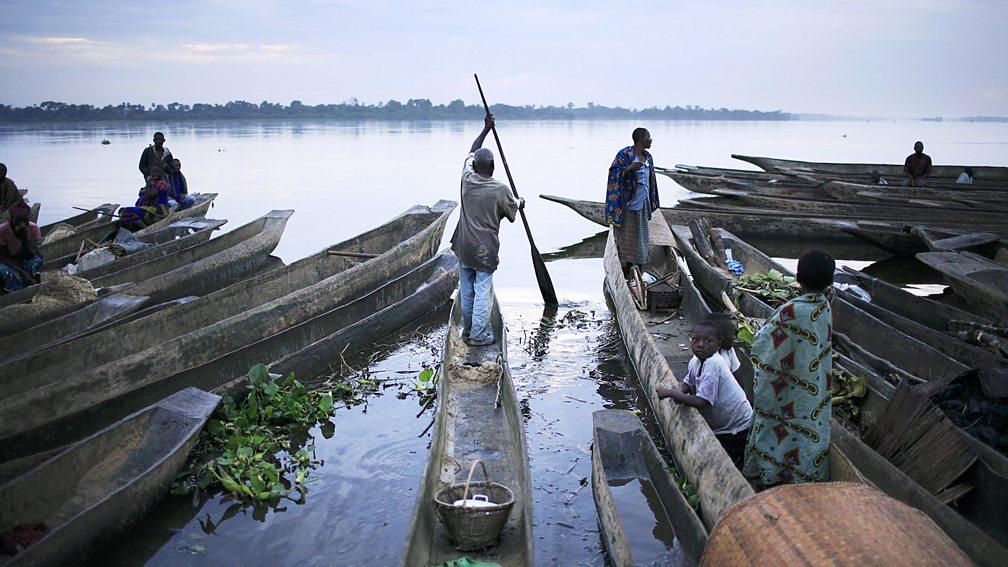
Activities on Congo River
Why Is the Congo River Important?
The Congo River is much more than a geographical landmark. It supports millions of people, provides habitats for wildlife, and plays an essential role in the region’s economy and ecology.
1. A Lifeline for Local Communities
For generations, communities along the Congo River have depended on it for fishing, transportation, food, and livelihoods. Boats and ferries connect settlements where road infrastructure can be limited, making the river an important transport corridor.
Travellers can learn about traditional fishing methods, riverside markets, local food, and the daily lives of communities whose cultures are closely connected to the water.
2. Supporting the Congo Rainforest
The Congo River Basin contains the world’s second-largest tropical rainforest after the Amazon. Its forests store carbon, regulate regional rainfall, and support a remarkable variety of plant and animal species.
The interconnected river and rainforest ecosystems are vital to global biodiversity and climate stability.
3. A Source of Hydroelectric Power
The river’s enormous water flow gives it significant hydroelectric potential. The Inga Falls area in the Democratic Republic of the Congo is particularly well known for its powerful currents and hydroelectric development.
The river is an important resource for regional development, although its use must be balanced with environmental protection and the needs of local communities.
Wildlife Along the Congo River
The Congo River Basin is home to an extraordinary range of wildlife. The combination of freshwater habitats, swamps, and tropical forests creates suitable environments for numerous mammals, birds, reptiles, fish, and amphibians.
Some notable species associated with the wider Congo Basin include:
- Western lowland gorillas: Great apes that inhabit parts of the region’s tropical forests.
- Chimpanzees and bonobos: Intelligent primates found in different parts of the Congo Basin, with bonobos naturally occurring only in the Democratic Republic of the Congo.
- Forest elephants: Smaller than their savanna relatives, these elephants inhabit dense tropical forests.
- African forest buffalo: Forest-dwelling buffalo found in parts of Central Africa.
- Crocodiles: Aquatic reptiles found in suitable river and wetland habitats.
- Birdlife: The region supports numerous kingfishers, herons, eagles, hornbills, and other forest and wetland birds.
- Freshwater fish: The river system contains an exceptional diversity of fish, including species adapted to its powerful currents and varied habitats.
Wildlife sightings depend on the location, season, and type of excursion. Many forest animals are elusive, so responsible guiding and realistic expectations are important when planning a nature-focused trip.
Top Experiences Around the Congo River
1. Scenic River Excursions
A guided river excursion can offer a fresh perspective on Central Africa’s landscapes. Visitors may encounter fishing boats, riverside settlements, forested banks, and impressive stretches of open water.
The type of excursion available varies by destination, and travellers should arrange transport with reputable local operators.
2. Explore the Congo Rainforest
The Congo Basin offers opportunities for guided forest walks, nature interpretation, birdwatching, and learning about the ecology of tropical rainforests.
Depending on the destination, visitors may also explore protected areas that conserve important habitats for endangered wildlife.
3. Discover Local Culture
The communities of the Congo Basin have diverse languages, traditions, music, cuisines, and histories. A responsible visit can provide opportunities to learn from local guides and community-led tourism initiatives.
Travellers should seek permission before photographing people and choose experiences that respect local customs and provide fair benefits to host communities.
4. Birdwatching and Nature Photography
The combination of waterways, wetlands, and forests creates excellent possibilities for birdwatching and nature photography. Early mornings can be particularly rewarding for observing bird activity.
Visitors should bring suitable camera equipment, binoculars, insect repellent, and weather protection.
5. Visit Notable River Landscapes
Different sections of the Congo River offer very different experiences. The riverfront areas around Kinshasa and Brazzaville provide a more urban perspective, while other destinations offer quieter forest landscapes and more remote waterways.
In the Democratic Republic of the Congo, the Inga Falls area is notable for its powerful rapids. Access, safety requirements, and permitted activities should be checked locally before visiting.
Congo River vs. the Nile River
Africa is home to two of its most famous rivers: the Congo and the Nile. Both have shaped human history and supported remarkable ecosystems, but they differ in several important ways.
- Length: The Nile is longer, while the Congo is approximately 4,700 kilometres long.
- Water volume: The Congo carries a substantially greater volume of water than the Nile.
- Geography: The Nile flows north towards the Mediterranean Sea, while the Congo flows west towards the Atlantic Ocean.
- Landscape: The Congo is closely associated with Central Africa’s tropical rainforests, while the Nile passes through a wider range of landscapes, including arid regions.
- Tourism: The Nile is famous for historic sites, river cruises, and wildlife experiences in East Africa. The Congo offers a different combination of rainforest exploration, river culture, and Central African biodiversity.
For travellers already exploring East Africa, including Uganda, learning about the Congo River provides a broader understanding of the continent’s extraordinary geographical diversity.
Best Time to Explore the Congo River
The best time to visit depends on the specific country, river section, and activities planned. Central Africa generally experiences a tropical climate, with rainfall patterns varying considerably by location.
Dryer periods may offer more comfortable conditions for some forest excursions and travel by road, while rainy periods can bring lush vegetation and changing river levels.
Before travelling, visitors should check local weather forecasts, transport schedules, protected-area access, and current travel advisories. River conditions can change quickly, so excursions should always be arranged with experienced local guides.
Travel Safety and Responsible Tourism
The Congo River crosses a large region with different security conditions, infrastructure, and entry requirements. Safety should be assessed for the exact destination rather than assuming conditions are the same throughout the river basin.
Before departure, travellers should:
- Check current government travel advisories for the destination.
- Confirm visa, passport, and entry requirements.
- Consult a travel health professional about vaccinations, malaria prevention, and other destination-specific precautions.
- Use reputable guides and licensed transport providers.
- Wear appropriate life jackets during boat excursions.
- Avoid swimming in unfamiliar waters because of currents, wildlife, water quality, and other hazards.
- Respect protected areas, wildlife regulations, and local cultural practices.
- Choose responsible tourism providers that support conservation and local livelihoods.
Travellers should also confirm the availability of reliable communications, medical facilities, and evacuation arrangements when visiting remote locations.
Can You Visit the Congo River on an African Safari?
Yes. A visit to parts of the Congo River can be included in a broader Central African travel itinerary, depending on accessibility, current security conditions, and the experiences available in the selected destination.
Travellers interested in combining rainforest experiences with wildlife tourism may consider exploring suitable destinations in the Democratic Republic of the Congo or the Republic of the Congo. These are separate countries with different entry requirements, tourism infrastructure, and travel arrangements.
For visitors travelling in Uganda, the Congo River can also inspire a wider regional journey exploring the natural connections between East and Central Africa. However, reaching the river from Uganda requires careful planning and should not be assumed to be a simple extension of a conventional Ugandan safari.
Discover Africa with Ngoni Safaris
At Ngoni Safaris, we believe that Africa offers far more than its most famous destinations. From Uganda’s mountain gorillas and chimpanzees to the savannah wildlife of its national parks, the continent provides unforgettable opportunities for exploration.
The Congo River is a powerful reminder of Africa’s natural beauty, ecological importance, and cultural richness. Whether you are interested in river landscapes, tropical rainforests, wildlife, or authentic cultural encounters, responsible planning can help you experience the region more meaningfully.
For travellers planning an African adventure, Ngoni Safaris offers safari planning and travel experiences focused on discovering Uganda’s wildlife, national parks, and natural wonders.
Plan your African adventure with Ngoni Safaris.
Frequently Asked Questions About the Congo River
1. How long is the Congo River?
The Congo River is approximately 4,700 kilometres (2,920 miles) long, making it the second-longest river in Africa.
2. Why is the Congo River famous?
It is famous for its enormous water flow, exceptional depth, extensive rainforest basin, rich biodiversity, and importance to Central African communities.
3. Which countries does the Congo River flow through?
The main river flows through the Democratic Republic of the Congo and along sections of the border with the Republic of the Congo. Its wider drainage basin extends into several other Central African countries.
4. What wildlife lives near the Congo River?
The wider basin supports forest elephants, western lowland gorillas, chimpanzees, bonobos in their natural range, crocodiles, diverse freshwater fish, and numerous bird species.
5. Is the Congo River suitable for tourism?
Some areas offer river excursions, cultural experiences, birdwatching, and access to rainforest destinations. Suitability depends on local security, transport, infrastructure, and the availability of reputable guides.
6. Can I visit the Congo River from Uganda?
It may be possible to plan a regional trip from Uganda to selected destinations in the Congo Basin, but international borders, entry requirements, transport connections, security conditions, and travel time must be carefully considered.
7. What is the best time to visit the Congo River?
The best time depends on the destination and activity. Travellers should check local seasonal rainfall, river conditions, and accessibility before booking.\.lo;’p[