Tigers in Uganda: Where to See Tigers and Discover Africa’s Big Cats
By Ngoni Safaris Uganda
Have you ever wondered whether tigers live in Uganda? Many travellers searching for tigers in Uganda want to know whether these magnificent striped cats can be seen in the country’s national parks or wildlife centres. Uganda is famous for its extraordinary wildlife, including mountain gorillas, elephants, lions, leopards and chimpanzees. However, tigers are not native to Africa, and there are no wild tiger populations in Uganda.
Visitors interested in tigers may investigate wildlife education attractions in Entebbe, while those seeking an authentic African big-cat safari can explore Uganda’s spectacular national parks with Ngoni Safaris Uganda.
In this guide, we explain where tigers fit into Uganda’s wildlife tourism, which African big cats you can see on safari, and the best destinations for unforgettable wildlife encounters.
Are There Tigers in Uganda?
Tigers (Panthera tigris) are large carnivorous mammals native to Asia. They inhabit a variety of environments across their natural range, including forests, grasslands and wetlands.
Unlike lions and leopards, tigers do not naturally occur in Uganda or elsewhere in Africa. Uganda’s natural wildlife instead includes several fascinating members of the cat family, particularly lions, leopards, servals and African wildcats.
Uganda has historically kept non-native animals, including tigers, in captivity at the Uganda Wildlife Education Centre in Entebbe. Travellers interested in seeing tigers should contact the centre directly to confirm current animal exhibits, availability and visiting arrangements before travelling.
For visitors who dream of seeing big cats in their natural environment, Uganda offers an exciting alternative: guided game drives through beautiful savannah landscapes where African predators live in the wild.
Where Can You See Tigers in Uganda?
Uganda Wildlife Education Centre, Entebbe
The Uganda Wildlife Education Centre (UWEC), commonly known as Entebbe Zoo, is a wildlife education and conservation facility located near the shores of Lake Victoria.
The centre has historically housed non-indigenous species, including tigers, as part of its animal collection. Its broader educational role includes helping visitors understand wildlife, biodiversity and conservation.
Before planning a visit specifically to see tigers, confirm whether they are currently housed at the centre. Animal collections can change over time.
A visit to Entebbe can also be combined with other activities, such as exploring the botanical gardens, enjoying Lake Victoria views or beginning a longer Uganda wildlife safari.
The Best African Big Cats to See on a Uganda Safari
Although Uganda is not home to wild tigers, it offers rewarding opportunities to discover Africa’s native predators.
1. Lions in Queen Elizabeth National Park
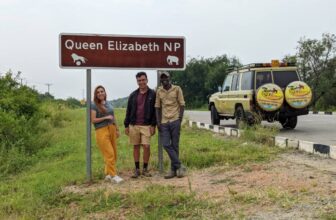
Queen Elizabeth National Park is one of Uganda’s most famous safari destinations. Its diverse landscapes include open savannah, crater lakes, woodland and wetlands that support a variety of wildlife.
The Ishasha sector in the southern part of the park is particularly famous for its tree-climbing lions. Visitors may have the opportunity to see lions resting in large fig trees, although sightings are never guaranteed.
Game drives with an experienced guide provide opportunities to search for lions, elephants, buffaloes, antelopes and other wildlife.
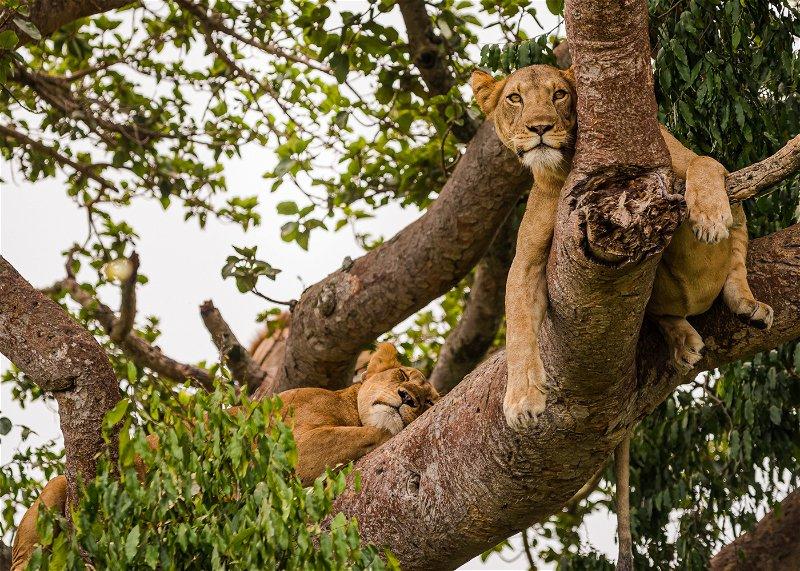
Lion at Queen Elizabeth National Park
2. Lions in Murchison Falls National Park
Murchison Falls National Park is an excellent destination for travellers seeking a classic African safari experience.
The park features extensive savannah plains, woodland, the Victoria Nile and the spectacular Murchison Falls. Lions inhabit parts of the park, and early-morning game drives can offer opportunities to look for them before the day becomes hot.
Visitors may also encounter giraffes, elephants, Uganda kob, buffaloes and numerous bird species.
A safari here can combine wildlife viewing with a boat trip along the Nile towards the base of the falls.
3. Leopards in Uganda’s National Parks
Leopards are among Africa’s most elusive predators. Their spotted coats provide excellent camouflage, allowing them to blend into trees, rocky outcrops and dense vegetation.
Leopards occur in several Ugandan protected areas, including Murchison Falls, Queen Elizabeth, Kidepo Valley and Lake Mburo national parks.
Because leopards are secretive and often active at night, sightings require patience and luck. An experienced safari guide can help visitors look for tracks, suitable habitats and signs of recent activity.
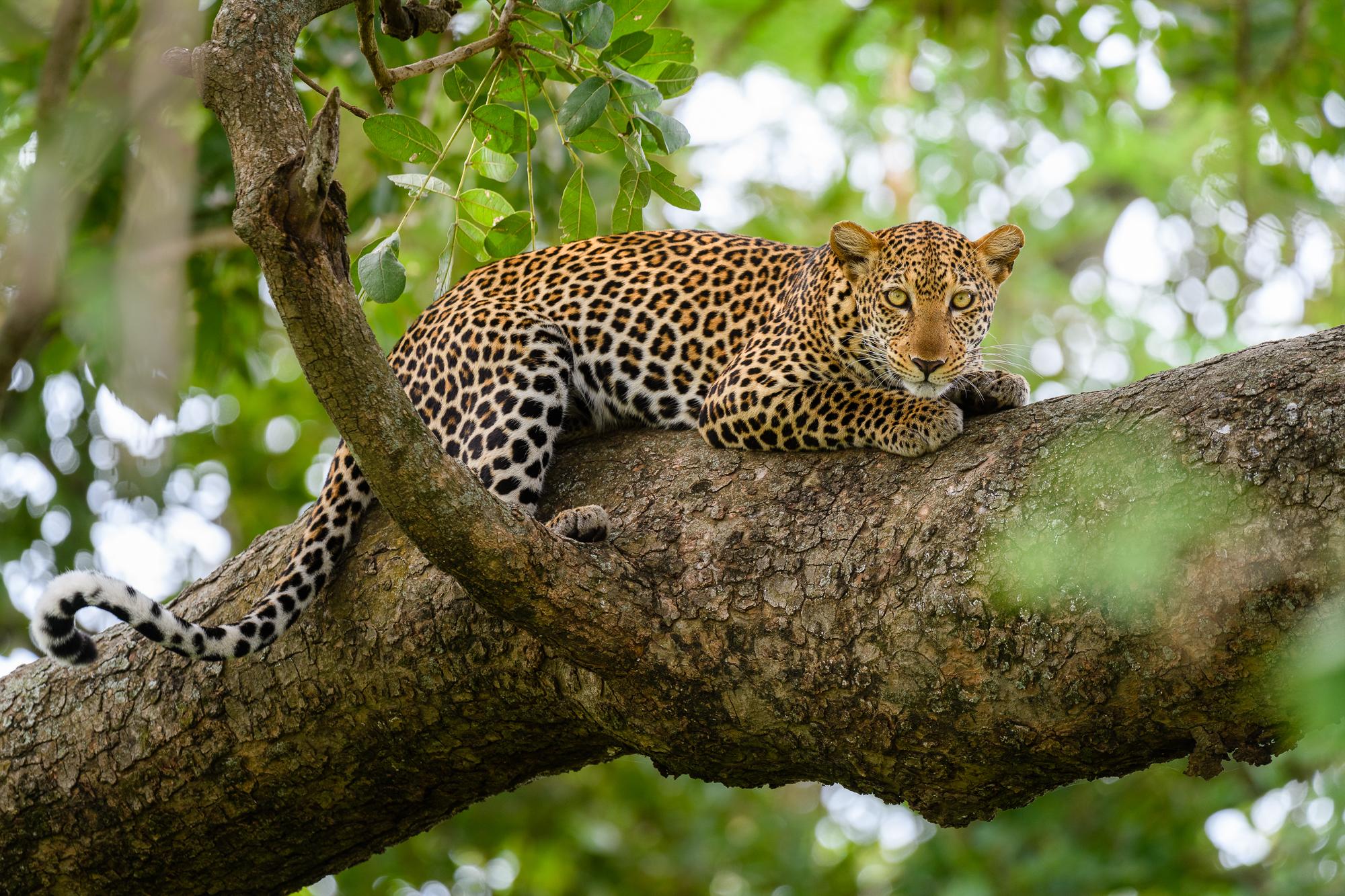
Leopard at Queen elizabeth national park
4. Cheetahs in Kidepo Valley National Park
Kidepo Valley National Park, in northeastern Uganda, is known for its remote wilderness, dramatic mountain scenery and expansive savannah.
The wider Kidepo region is associated with Uganda’s cheetahs, although these animals are extremely rare and sightings should not be assumed. Travellers hoping to see cheetahs should seek current information from park authorities and their safari operator before choosing a destination.
Even without a cheetah sighting, Kidepo offers outstanding opportunities to explore Uganda’s wildlife, landscapes and cultural heritage.
Tiger vs Lion: What Is the Difference?
Tigers and lions are both members of the genus Panthera, but they have different natural ranges and physical characteristics.
- Tigers: Recognised by their orange coats, black stripes and solitary hunting behaviour. They are native to Asia.
- Lions: Usually live in social groups called prides and are native to Africa and parts of Asia.
- Leopards: Have spotted coats with distinctive rosette patterns and are known for their adaptability and climbing ability.
- Cheetahs: Have slender bodies, long legs and black tear-like markings on their faces. They are specialised for high-speed pursuits.
Uganda is a destination for discovering Africa’s native wildlife rather than wild Asian tigers.
Best Time to See Big Cats in Uganda
Wildlife viewing in Uganda is possible throughout the year, but the relatively drier periods often provide favourable conditions for game drives.
June to September: These months are generally popular for wildlife safaris because drier conditions can make some roads easier to navigate and animals easier to spot in open areas.
December to February: Another commonly favoured period for game drives, with opportunities to explore savannah parks and photograph wildlife.
March to May and October to November: These periods often experience more rainfall. The scenery can be beautifully green, although muddy roads and thicker vegetation may make some wildlife sightings more challenging.
Weather patterns vary, and wildlife sightings depend on animal movements, habitat conditions and luck. Ngoni Safaris can help travellers select a suitable itinerary based on their travel dates and wildlife interests.
How to Plan a Big-Cat Safari with Ngoni Safaris Uganda
For travellers who want to see Africa’s predators in their natural habitats, Ngoni Safaris Uganda can help arrange a private safari tailored to their interests.
A wildlife itinerary may include:
- Guided game drives in Queen Elizabeth National Park to search for lions and other savannah animals.
- Wildlife viewing in Murchison Falls National Park, combined with a Nile boat cruise.
- An exploration of Kidepo Valley National Park for a remote wilderness experience.
- Leopard-searching opportunities in suitable habitats.
- Comfortable lodge accommodation, private transport and an experienced English-speaking driver-guide.
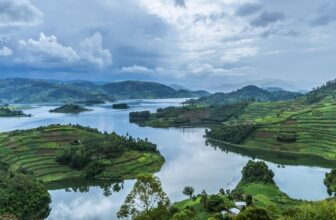
For a more comprehensive Ugandan adventure, visitors can combine big-cat viewing with chimpanzee tracking in Kibale Forest, gorilla trekking in Bwindi Impenetrable National Park, or relaxation beside Lake Bunyonyi.
Wild animals roam freely, so no responsible safari operator can guarantee sightings of a particular species.
Why Wildlife Conservation Matters
Tigers and Africa’s big cats face different conservation challenges, but habitat loss, illegal wildlife trade and human-wildlife conflict are important concerns for many wild cat populations.
In Uganda, protecting lions and leopards requires safeguarding their habitats, reducing conflict between communities and wildlife, and supporting responsible tourism.
Choosing reputable safari operators, following park regulations and respecting wildlife viewing distances can help visitors contribute to sustainable tourism.
Responsible wildlife tourism also creates opportunities for local guides, accommodation providers and surrounding communities to benefit from the conservation of natural areas.
Frequently Asked Questions About Tigers in Uganda
Are there wild tigers in Uganda?
No. Tigers are native to Asia and do not naturally occur in Uganda’s national parks.
Can I see a tiger in Uganda?
Uganda has historically housed tigers at the Uganda Wildlife Education Centre in Entebbe. Check directly with the centre to establish whether tigers are currently on display.
Which big cats can I see in Uganda?
Lions and leopards are among Uganda’s best-known wild cats. Cheetahs are exceptionally rare, while smaller species include servals and African wildcats.
Which national park is best for seeing lions in Uganda?
Queen Elizabeth National Park and Murchison Falls National Park are leading destinations for lion-viewing opportunities. Kidepo Valley National Park is another important wildlife destination.
Can I combine a wildlife safari with gorilla trekking?
Yes. A tailor-made itinerary can combine savannah game drives with mountain gorilla trekking, chimpanzee tracking and visits to Uganda’s scenic lakes and forests. Gorilla trekking requires the appropriate permit and advance planning.
Book Your Uganda Wildlife Safari with Ngoni Safaris
Uganda may not have wild tigers, but it offers an incredible diversity of wildlife and landscapes. From the tree-climbing lions of Ishasha to the savannah plains of Murchison Falls and the remote wilderness of Kidepo Valley, the country provides rewarding opportunities for wildlife photography and African safari adventures.
Ngoni Safaris Uganda helps travellers discover these remarkable destinations through personalised safari itineraries, guided wildlife experiences and carefully selected accommodation.