Semuliki National Park and Sempaya Hot Springs: Uganda’s Hidden Rainforest Adventure
Tucked away in the remote western corner of Uganda, Semuliki National Park is one of the country’s most fascinating yet less-visited destinations. It is a place where ancient rainforest, steaming hot springs, rare birds, primates and rich local traditions come together beneath the dramatic Rwenzori Mountains.
For travellers who want to go beyond the familiar safari circuit, Semuliki offers something wonderfully different. The park’s best-known attraction is the Sempaya Hot Springs, where boiling water bursts from the earth in clouds of steam. However, the hot springs are only one part of a much larger adventure.
With Ngoni Safaris, you can explore Semuliki as a special day trip, a two-day nature escape or part of a longer Uganda safari combining Kibale Forest, Queen Elizabeth National Park, the Rwenzori Mountains and Bwindi Impenetrable National Park.
Where Is Semuliki National Park?
Semuliki National Park lies in Bundibugyo District in western Uganda, within the Albertine Rift Valley and close to the border with the Democratic Republic of the Congo. The park covers approximately 220 square kilometres and protects the easternmost extension of the vast Ituri Forest of the Congo Basin.
This geographical connection gives Semuliki a character unlike any other national park in Uganda. Its lowland tropical forest contains plant and animal species more commonly associated with Central Africa, making a visit feel like an expedition into the Congo rainforest without leaving Uganda.
The park is usually reached through Fort Portal, Uganda’s beautiful tourism city. The drive from Kampala or Entebbe generally takes a full day, depending on road conditions and stops. Semuliki can also be conveniently combined with Kibale National Park, which is famous for chimpanzee trekking.
The Spectacular Sempaya Hot Springs
The Sempaya Hot Springs are Semuliki National Park’s signature attraction. A guided forest trail leads visitors to two main springs, traditionally known as the female and male hot springs.
The Female Hot Spring – Nyasimbi
Nyasimbi, meaning “the female ancestors,” is the most dramatic of the springs. Superheated water bubbles vigorously from the ground while steam rises above the surrounding vegetation. Temperatures can reach around 100°C, hot enough to cook an egg in only a few minutes.
The sight, heat and sound of Nyasimbi create an unforgettable natural spectacle. Visitors must remain on the designated boardwalks and follow the instructions of their guide because the water and surrounding ground can be dangerously hot.
The Male Hot Spring – Bintente
Bintente, the male spring, lies along another section of the forest trail. It forms a broad, steaming pool surrounded by lush vegetation. Although it may appear calmer than Nyasimbi, it remains extremely hot and must be approached with care.
The two springs are part of local Bamaga cultural traditions. Community guides share stories about their spiritual importance, allowing visitors to appreciate the springs as both geological wonders and treasured cultural landmarks.
How Were the Sempaya Hot Springs Formed?
The hot springs are linked to geothermal activity within the Albertine Rift. Rainwater seeps deep into the earth through cracks in the rock, where it is heated by the high temperatures below the surface. Pressure then forces the heated water and steam back upward through openings in the ground.
This continuing natural process creates the boiling pools, bubbling fountains and clouds of steam seen at Sempaya. It is one of the most impressive examples of geothermal activity accessible to visitors in Uganda.
More Things to Do in Semuliki National Park
Guided Nature Walks
Walking is one of the best ways to experience Semuliki. Guided trails pass beneath towering trees, across wetlands and through habitats filled with butterflies, birds and monkeys. The trail to the Sempaya Hot Springs is the most popular, while longer forest walks can be arranged for guests who want a deeper nature experience.
Birdwatching
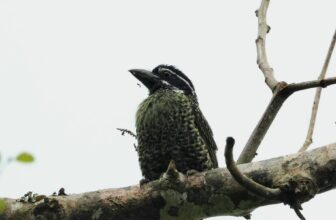
Semuliki is one of Uganda’s outstanding birding destinations. More than 400 bird species have been recorded in the wider park area, including several Central African species that are difficult to see elsewhere in East Africa.
Birders may search for the Nkulengu rail, yellow-throated cuckoo, piping hornbill, red-billed dwarf hornbill, black dwarf hornbill, white-crested hornbill and other forest specialists. The nearby Semuliki Wildlife Reserve and Lake Albert area also offer opportunities to look for the prehistoric-looking shoebill.
Early-morning walks are especially rewarding because the forest is cooler and bird activity is usually at its highest. A specialist bird guide can be arranged for dedicated birdwatchers and photographers.
Primate and Wildlife Viewing
Semuliki supports several primate species, including black-and-white colobus monkeys, red-tailed monkeys, blue monkeys, vervet monkeys and olive baboons. Chimpanzees and other secretive forest mammals also occur in the ecosystem, although sightings are never guaranteed.
Forest elephants, buffaloes and smaller mammals inhabit the park, but dense vegetation often makes them difficult to observe. Semuliki is therefore best appreciated as a rainforest, birding and walking destination rather than a traditional big-game safari park.
Cultural Encounters
Communities around Semuliki include the Bamba, Bakonzo, Batuku and Batwa. Carefully arranged community experiences may introduce visitors to local stories, music, dance, crafts and traditional ways of life.
Ngoni Safaris encourages respectful cultural tourism that benefits host communities and allows guests to learn through genuine interaction. Availability and the exact programme should always be confirmed when planning the safari.
Best Time to Visit Semuliki National Park
Semuliki can be visited throughout the year. The relatively drier periods—typically from December to February and June to August—often provide easier walking conditions and more accessible trails.
The wetter months bring rich green scenery, active waterfalls and excellent photographic colour, but forest trails can become muddy and slippery. Rain is possible at any time because Semuliki is a tropical rainforest, so visitors should always carry suitable protection.
What to Pack for a Semuliki Safari
For a safe and comfortable visit, we recommend bringing:
- Lightweight, breathable clothing in neutral colours
- A waterproof jacket or poncho
- Sturdy, closed walking shoes with good grip
- Long trousers for forest trails
- Insect repellent
- Sunscreen and a sun hat
- Drinking water
- Binoculars for birdwatching
- A camera protected from moisture
- A small daypack
Visitors should never step away from the marked paths at the hot springs. Always listen to the Uganda Wildlife Authority guide and avoid touching the water, rocks or wet ground near active geothermal areas.
Where to Stay
Accommodation options are available around Semuliki, Bundibugyo and Fort Portal. Fort Portal has the widest choice of comfortable guesthouses, mid-range lodges and luxury properties, while staying nearer the park can make an early start easier.
Ngoni Safaris selects accommodation according to your preferred comfort level, budget and wider itinerary. We can also arrange a stay near Kibale Forest when Semuliki is combined with chimpanzee trekking.
Sample Semuliki Safari Combination
A rewarding western Uganda journey can include:
- Day 1: Transfer from Entebbe or Kampala to Fort Portal
- Day 2: Visit Semuliki National Park and walk to the Sempaya Hot Springs
- Day 3: Chimpanzee trekking in Kibale National Park
- Day 4: Continue to Queen Elizabeth National Park for a game drive and Kazinga Channel boat cruise
- Day 5 onward: Travel to Bwindi for gorilla trekking or return to Entebbe
Every Ngoni Safaris itinerary is flexible. We can adjust the pace, number of nights, accommodation level and activities for solo travellers, couples, families, private groups, birdwatchers and photographers.
Why Visit Semuliki with Ngoni Safaris?
Ngoni Safaris Uganda Ltd creates private, tailor-made journeys across Uganda and East Africa. When you travel to Semuliki with us, we take care of the practical details so you can concentrate on the experience.
Our safari services can include:
- Private transport in a comfortable 4×4 safari vehicle
- A professional English-speaking driver-guide
- Park entry and arranged activities
- Uganda Wildlife Authority-guided walks
- Carefully selected accommodation and meals
- Airport transfers
- Chimpanzee and gorilla permits when included in your programme
- Custom extensions to other Ugandan destinations
We also design specialist birding tours and can include Semuliki for travellers looking for Uganda’s rare forest species.
Discover Uganda’s Untamed Western Frontier
Semuliki National Park rewards the curious traveller. Its ancient forest, Central African wildlife, rich birdlife and extraordinary Sempaya Hot Springs reveal a completely different side of Uganda. Away from the busy safari routes, every trail feels wild, atmospheric and full of discovery.
Whether you want to watch steam rise from Nyasimbi, search for rare hornbills beneath the forest canopy or add a unique experience to a longer primate safari, Ngoni Safaris will create a journey around your interests.
Contact Ngoni Safaris Uganda Ltd today to begin planning your private Semuliki National Park and Sempaya Hot Springs adventure.
Frequently Asked Questions
Are the Sempaya Hot Springs safe to visit?
Yes, when visited with an authorised guide and when all safety instructions are followed. The water is extremely hot, so guests must remain on the designated trails and boardwalks.
Can visitors swim in the hot springs?
No. The main springs are dangerously hot and are not suitable for bathing or swimming.
How much time is needed at the Sempaya Hot Springs?
Most visitors should allow several hours for registration, the guided walk, time at the springs and nature observation. The duration varies according to the chosen trail, walking pace and weather.
Is Semuliki suitable for children?
Families can visit, but adults must supervise children closely, particularly around the geothermal area. The walking distance, heat and trail conditions should be considered when planning.
Can Semuliki be combined with gorilla trekking?
Yes. A tailor-made western Uganda safari can connect Semuliki with Kibale, Queen Elizabeth National Park and Bwindi Impenetrable National Park.
Is Semuliki the same as the Semliki Wildlife Reserve?
No. Semuliki National Park protects mainly lowland tropical forest, while the nearby Semliki Wildlife Reserve includes savannah and wetland habitats closer to Lake Albert. Both can be included in a well-planned itinerary.
BOOK WITH US