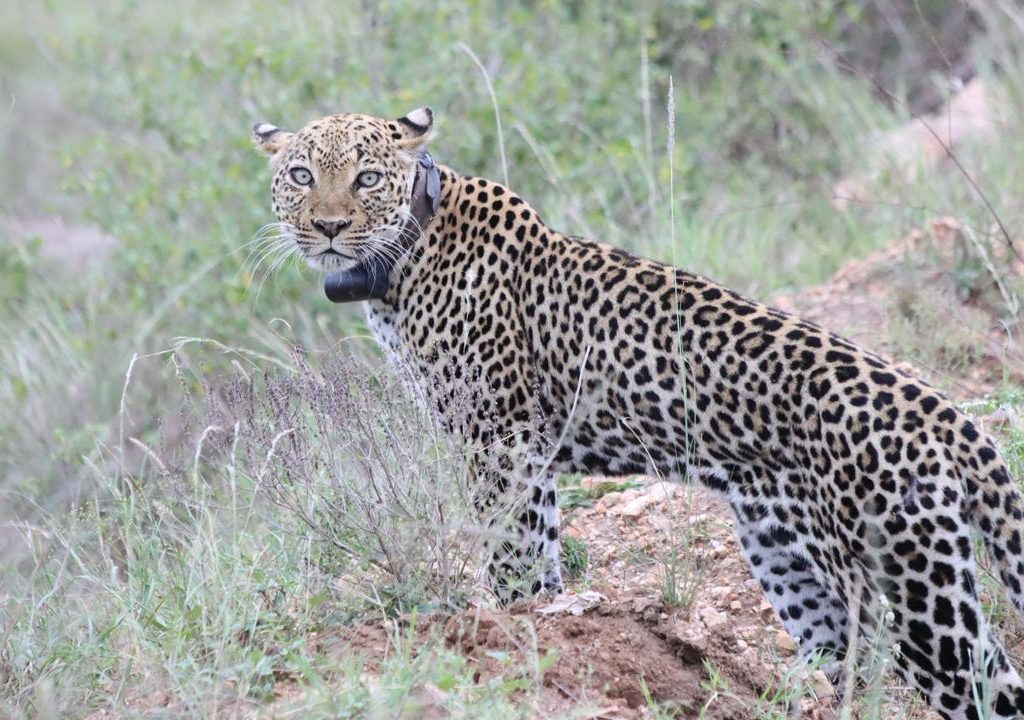
Queen Elizabeth National Park, Uganda – A deep silence has fallen over the golden grasslands of the Kasenyi Plains. Grace, the most famous leopardess in Uganda and a matriarch of the wild for over fourteen years, has passed away. The beloved feline died following a violent territorial confrontation with a coalition of lions, marking the end of an era for the park’s ecosystem and the global wildlife photography community.
Her death, confirmed by Uganda Wildlife Authority (UWA) officials earlier this week, has sent ripples of grief through conservation circles, from local trackers to international filmmakers who had come to know her not just as a subject, but as a “Queen of the Wilderness.”
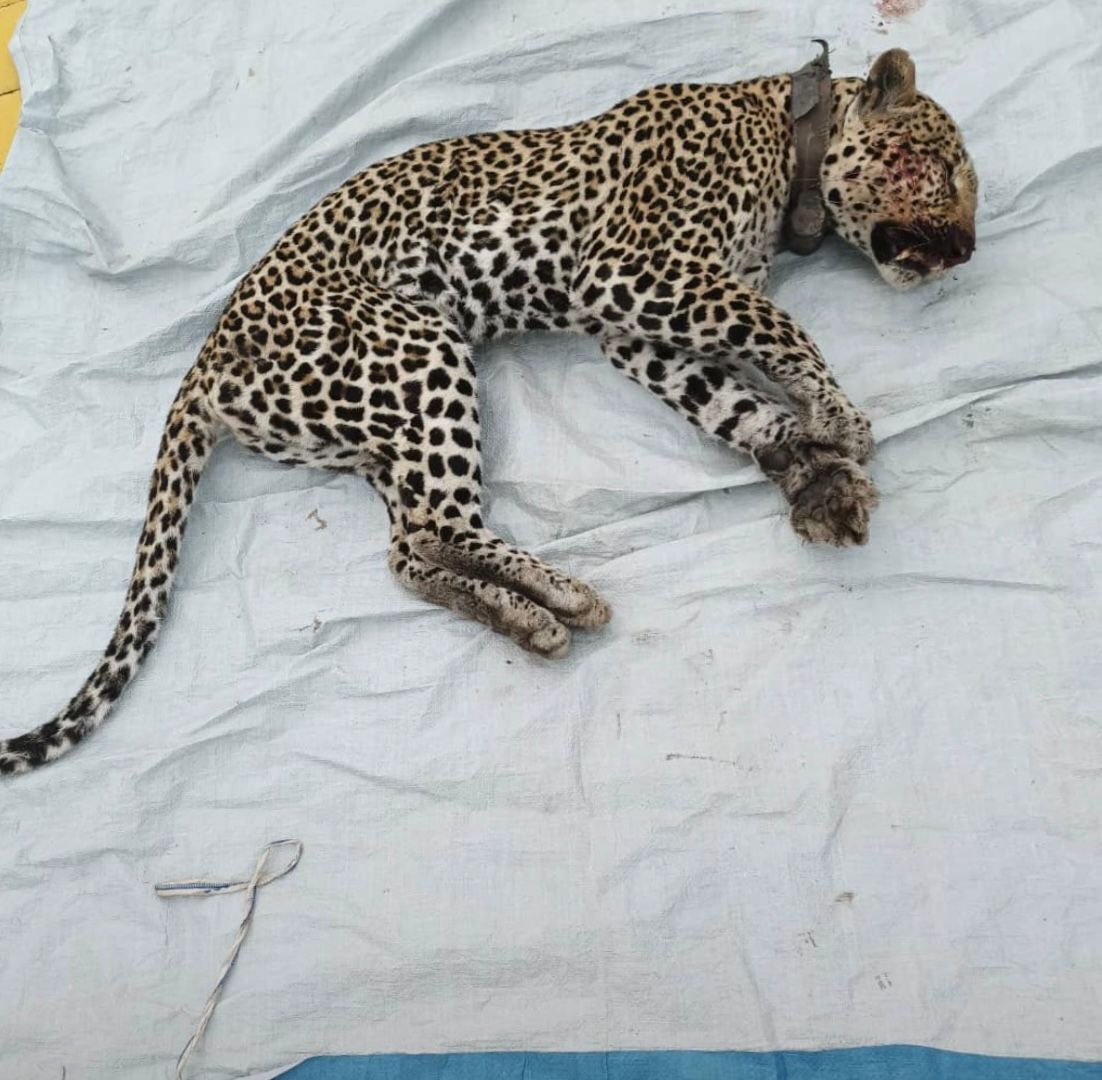
The Lion Attack: A Rare, Brutal End
According to park rangers who responded to the scene, Grace’s body bore the unmistakable marks of a struggle with lions. While the exact sequence of events remains speculative, field evidence suggests the aged leopardess wandered too close to a lion pride’s kill or a den site on the eastern edge of her territory.
Leopards and lions are apex competitors. Lions are significantly larger, social, and will kill leopards to eliminate competition for food and space. For a leopard of Grace’s advanced age—equivalent to a human in their late 80s or early 90s—escaping a lioness’s charge or climbing to safety with enough speed would have been a near-impossible feat.
“It was not a fight for food; it was a fight for territory,” explained Dr. Hilda Mabingo, a wildlife veterinarian based in Kampala. “Lions are aware of leopards. If a leopard is caught in open grassland without a tree nearby, the outcome is almost always fatal. Grace was old. Her reflexes were not what they once were. It was a tragic, natural end.”
A Life of Calm Dominance on the Kasenyi Plains
To understand why Grace’s death matters so profoundly, one must understand where she lived. The Kasenyi Plains are the open, savannah-stretch of Queen Elizabeth National Park, famous for its large herds of Uganda kob. It is here that the predator-prey drama is most visible.
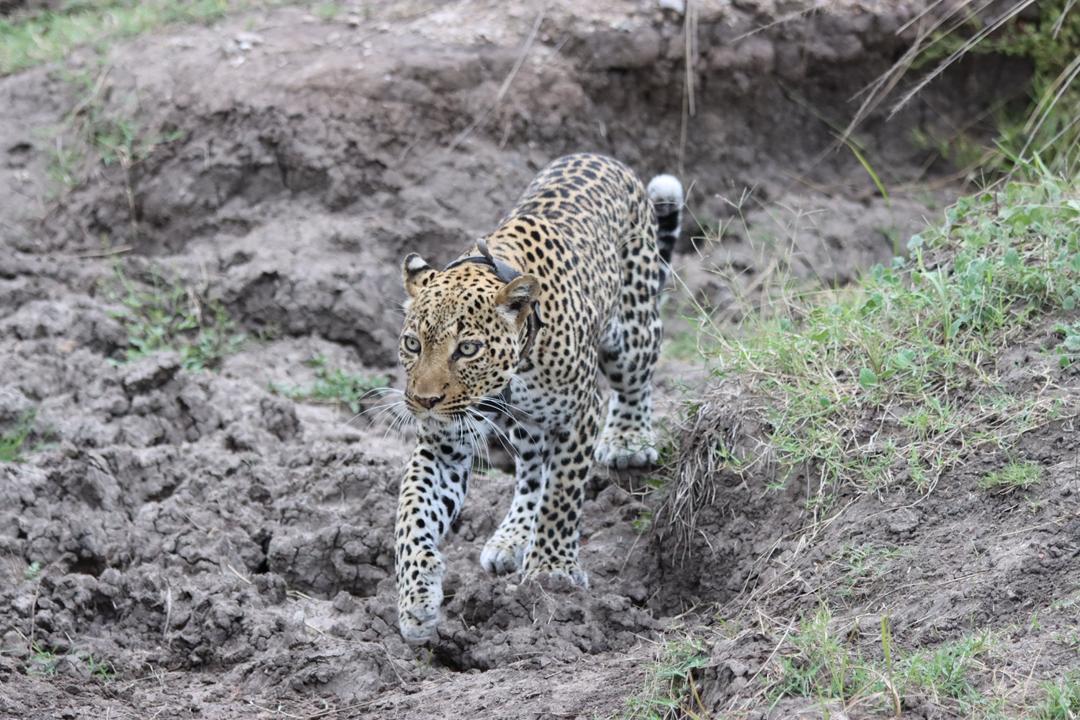
Unlike the elusive, nocturnal leopards of dense forests like those in Sri Lanka or Kenya’s Masai Mara, Grace was an anomaly. She diurnal—active during the day. She was habituated to safari vehicles to an extraordinary degree, but never tame. She possessed a legendary “calm” that photographers described as “regal.”
“She would lie on a termite mound with her paws crossed, watching the kobs graze, completely indifferent to the six Land Cruisers lined up fifty meters away,” recalls British wildlife photographer James Suter, who visited Kasenyi five times specifically to photograph Grace. “She didn’t hide. She didn’t flee. She posed. Her spots were like a fingerprint—unique, dark, and perfectly spaced against her tawny coat. She had a broken canine tooth and a scar on her left eye, but that only added to her majesty.”
The Photographer’s Dream
In the world of wildlife photography, leopards are the “Holy Grail.” They are notoriously difficult to find, often draped over branches in deep shadow. Grace changed that. She became the most photographed leopard in East Africa, not because she was easy, but because she was cooperative.
Her legacy is etched into thousands of memory cards and hard drives. Winning images from the Wildlife Photographer of the Year, Big Picture, and National Geographic contests have featured her face.
What made Grace unique was her understanding of human presence. She used safari vehicles as mobile blinds. She would stalk kob through the grass, using the cars as a shield, then burst into a sprint with a low, guttural cough. She was a master of the ambush.
“She taught us that wildlife doesn’t have to fear us if we respect them,” says local guide Richard Turyagyenda, who had followed Grace since she was a cub. “I called her ‘Mama Kasenyi.’ She raised at least five litters to adulthood. That is an incredible achievement in a park full of hyenas and lions.”
A Legacy of Cubs and Conservation
Grace’s most tangible legacy is her bloodline. Over 14 years—a remarkable lifespan for a wild leopard, where the average is 10 to 12 years—she successfully weaned multiple generations. Her cubs have dispersed across the northern sector of the park, carrying her genes and her tolerance for low-impact tourism.
Wildlife authorities note that following her death, a younger female—believed to be her granddaughter—has already moved into the southern edge of Grace’s former territory. The “Queen” has a heir, though her calm demeanor may take years to replicate.
Her passing also serves as a stark reminder of the brutal calculus of conservation. Queen Elizabeth National Park has a thriving lion population, with prides growing due to successful anti-poaching efforts. While this is good news for lions, it puts pressure on leopards. Grace was a casualty of that success.
The Human Grief: Mourning a Wild Icon
The outpouring of grief has been surprising in its intensity. On social media, the hashtags #RestInPeaceGrace and #KasenyiQueen trended among Ugandan nature lovers. The UWA released a formal statement praising Grace as an “ambassador for her species,” noting that her photogenic nature generated significant tourism revenue for local communities.
For the guides of Queen Elizabeth, the loss is personal. They knew her routines: which acacia tree she slept in during the rains, which waterhole she drank from at dusk, and the exact termite mound where she liked to watch the sunset.
“We will not see another like her in our lifetime,” Turyagyenda said, his voice breaking slightly over a crackling radio call. “The plains feel empty today. The kobs are grazing nervously, but there is no golden shadow stalking them. She was not just a leopard. She was Grace.”
What Happens Now?
For visitors heading to Queen Elizabeth National Park this season, the guides urge a shift in perspective. “Do not come looking for ‘the next Grace,’” Suter warns. “Come to see the wild. Grace was a gift. You don’t replace gifts. You remember them.”
The park remains vibrant. The tree-climbing lions of Ishasha still lounge in fig trees. The hyenas still laugh in the night. But on the Kasenyi Plains, the specific rhythm of a 14-year-old leopardess has stopped.
As the sun sets over the Kazinga Channel, painting the savannah orange and gold, there is no graceful silhouette on the skyline. There is only memory.
Grace is gone. But in the hearts of those who saw her, and the pixels of the photographs she left behind, the Queen of the Kasenyi Plains reigns forever.
In Memoriam: Grace (c. 2010 – 2024). May her cubs roam far, and may the grasslands always hold her ghost.