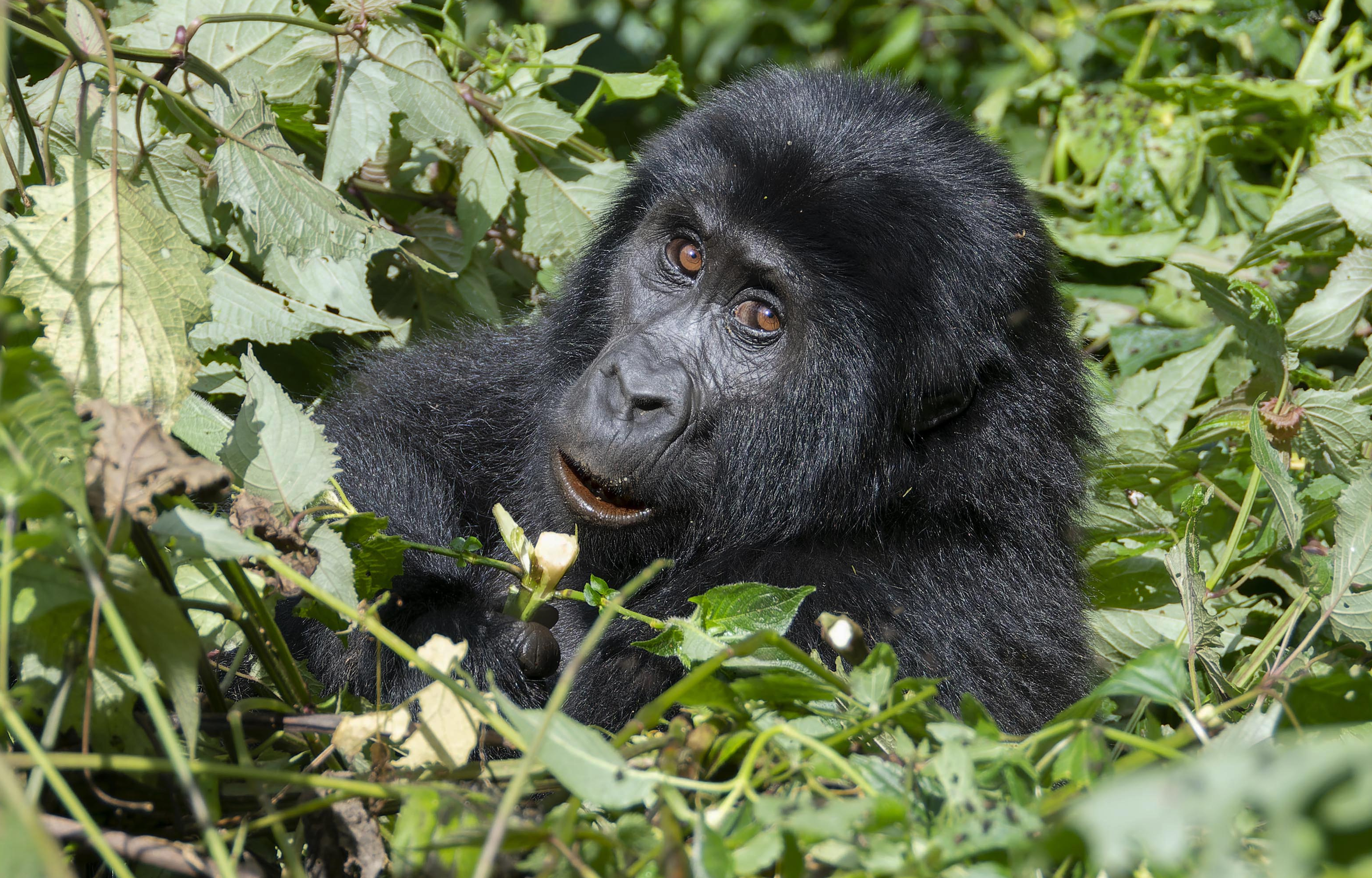
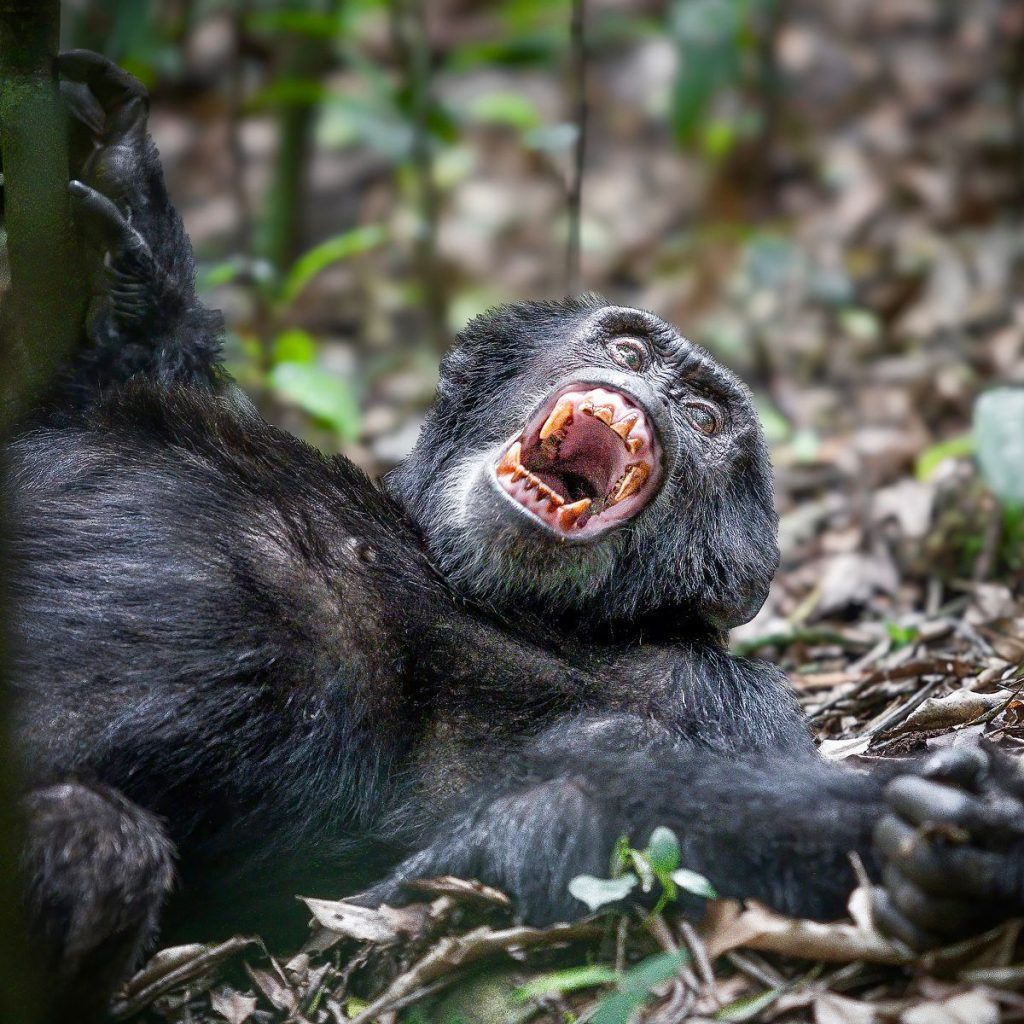
In the heart of western Uganda, Kibale National Park is often called the “Primate Capital of the World.” Its lush, green rainforest shelters over 1,500 chimpanzees, along with a dozen other primate species . For most visitors, the chance to see these great apes in the wild is a dream fulfilled by standard chimpanzee trekking. But there is a deeper, more immersive way to experience the forest: the Chimpanzee Habituation Experience.
This full-day adventure offers a rare glimpse into the complex world of our closest relatives, taking visitors behind the scenes with the researchers and rangers who spend years earning the trust of wild chimp communities.
What is Chimpanzee Habituation?
At its core, habituation is the process of training wild chimpanzees to become accustomed to the presence of humans . Wild chimpanzees are naturally afraid of people and will flee or hide. To make them comfortable enough to be observed for research or tourism, a team of trackers, rangers, and researchers visits a specific chimp group daily for two to four years .
It is a slow, painstaking process of desensitization. “The job requires patience,” says Onesmas Ainebyona, a chimp habituator in Kibale. “Passion also. You have to care” . Ainebyona and his colleagues follow the chimps from the moment they leave their nests at dawn until they build new ones at dusk—through rain, mud, and dense thickets. They crouch nearby as the chimps rest and trek alongside them as they move, slowly proving that human observers are not a threat .
This connection is hard-won. It can take years for an alpha male, like one named Jean in the park’s Kisongi group, to finally accept human presence. The bond is often sealed through acts of conservation; Jean’s trust in Ainebyona was solidified when the tracker helped remove a painful wire snare from his hand .
The Habituation Experience vs. Standard Trekking
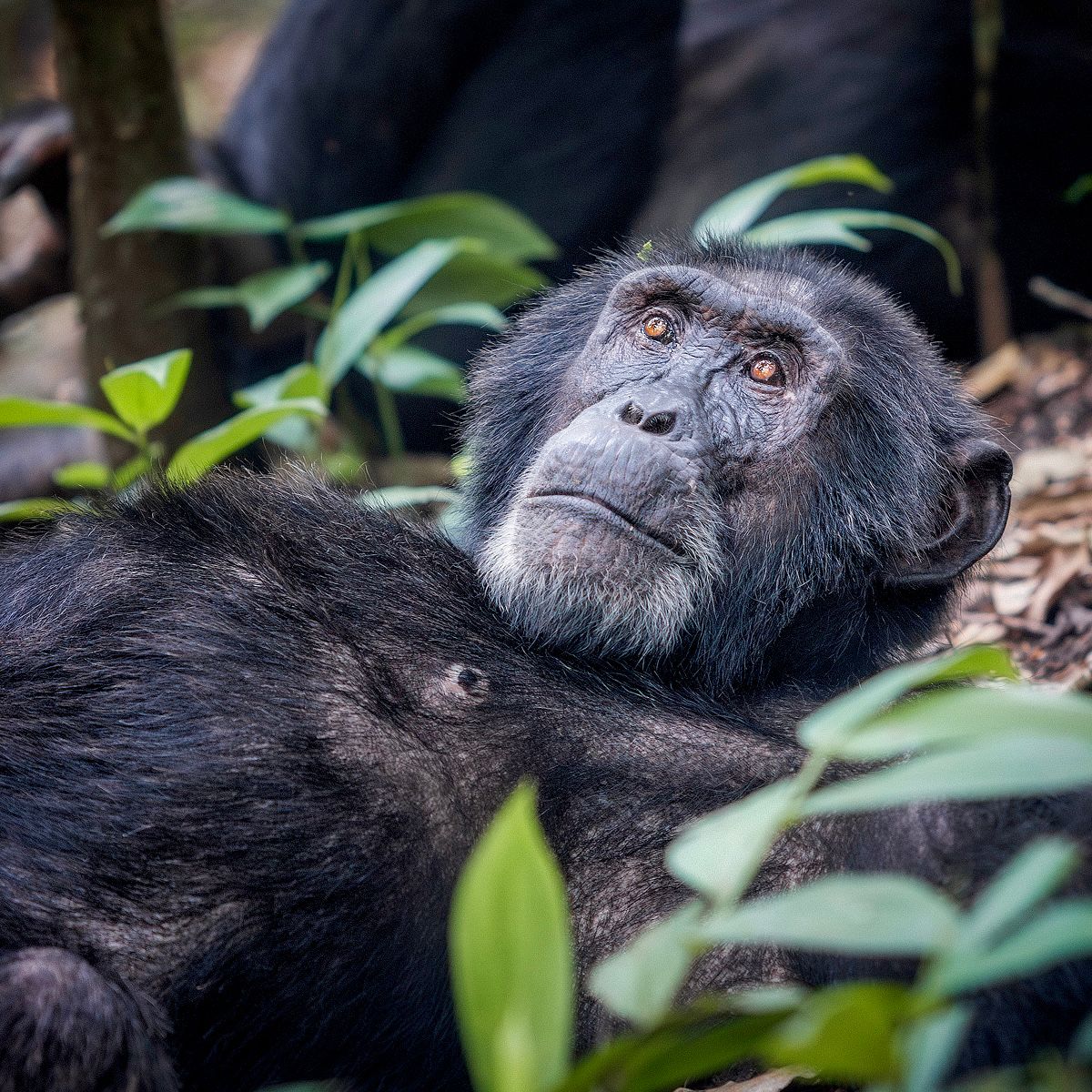
While standard chimpanzee trekking offers visitors one hour with a fully habituated group, the habituation experience is a much more intensive affair .
The day begins extremely early, usually with a 6:30 a.m. briefing at the Kanyanchu Visitor Center . Participants are split into small groups of up to four people and are led into the forest by experienced trackers and researchers . Instead of visiting a group that is already calm around people, visitors join the team actively working to habituate a semi-habituated troop.
Once the chimps are located—which can take hours of following trails, listening for calls, and examining disturbed vegetation—the real magic begins . Guests spend a full four hours with the chimpanzees, observing their lives unfold in real-time . You might see them wake up, groom each other, hunt, play, mate, and eventually build their fresh nests for the night . This extended interaction allows for a deeper understanding of individual personalities and family dynamics that is impossible in a one-hour visit.
Planning Your Visit
Because this is a specialized, research-oriented activity, access is limited. Only a handful of permits are issued each day, making early booking essential—ideally three to six months in advance .
-
Cost of Permits: A chimpanzee habituation permit costs $300 for foreign non-residents, $250 for foreign residents, and UGX 250,000 for East African citizens. This includes park entrance and ranger fees .
-
Best Time to Visit: The experience runs year-round, but conditions vary. The dry seasons (June to September and December to February) offer drier trails and easier hiking . However, some experts note that during the rainy seasons (March to May and October to November), fruit is abundant, meaning the chimps move less and can be easier to locate, despite the mud .
-
Getting There: Kibale is accessible by a 5-6 hour drive from Kampala, or by a domestic flight to Kasese airstrip followed by a short road transfer .
The Heart of Conservation
Beyond the adventure for tourists, habituation serves a greater purpose. It transforms chimpanzees from distant, fearful creatures into powerful ambassadors for conservation. When local communities and international visitors can see the intelligence and emotion in a chimp like Jean, they become invested in their protection .
The revenue from tourism directly supports conservation efforts, while the habituation process itself opens up invaluable research opportunities . As Kibale’s Tourism Warden, Ankunda Viola Ariho, notes, the program is built on a symbiotic relationship. The habituators learn about the chimps, and the chimps learn about humans, creating a bridge of understanding that helps ensure the survival of this endangered species for years to come .
For those willing to brave the early mornings and muddy trails, the Chimpanzee Habituation Experience in Kibale offers more than just a wildlife sighting—it offers a profound lesson in trust, patience, and our connection to the natural world.