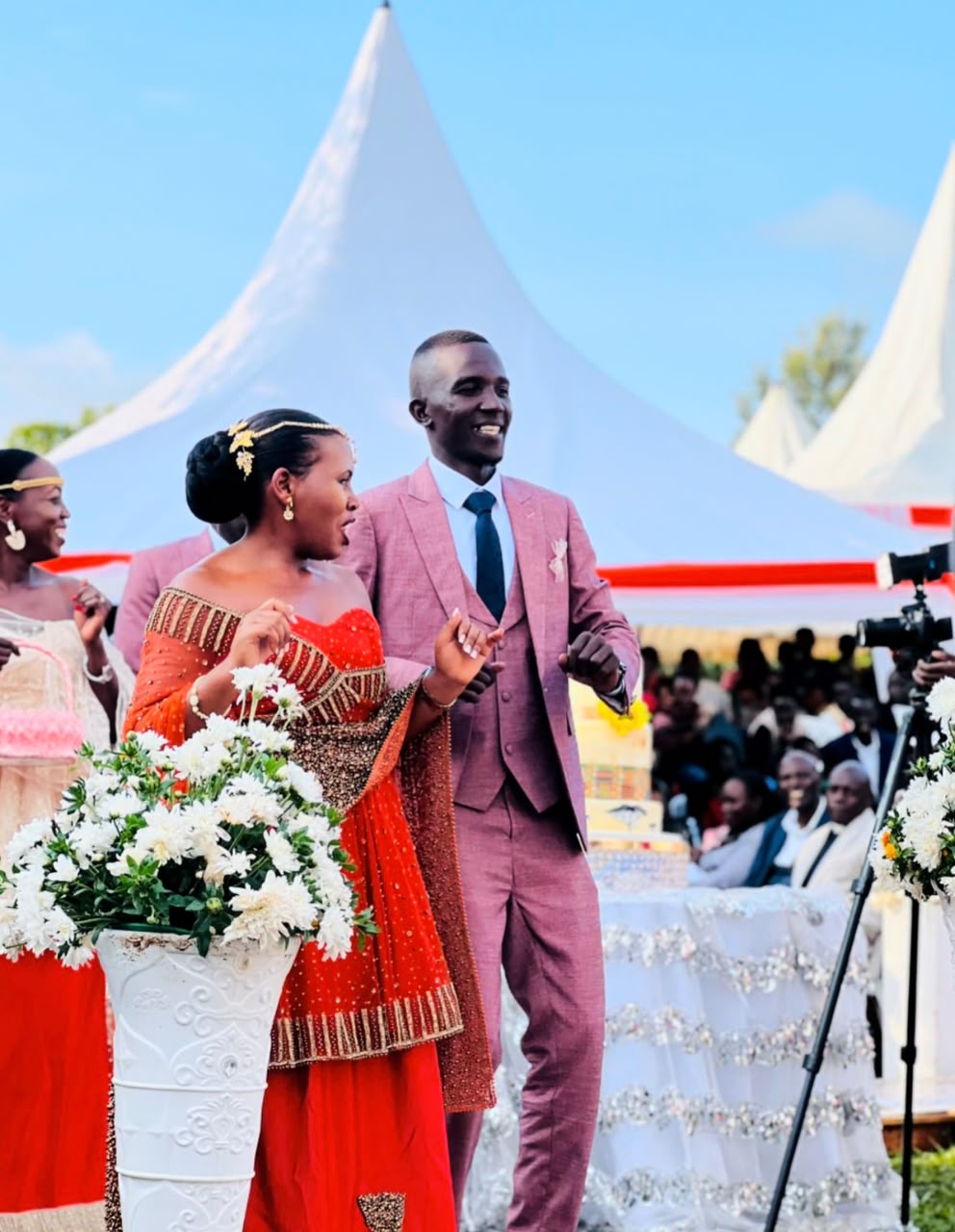
Uganda is home to many ethnic communities, each with its own languages, customs and ways of celebrating marriage. A traditional Ugandan wedding is therefore much more than the union of two people. It brings families together, honours ancestry and creates a joyful display of music, dance, food, fashion and hospitality.
For travellers interested in culture, learning about Uganda’s traditional weddings offers a fascinating glimpse into the values that shape family and community life across the country.
Traditional Weddings Are Different Across Uganda
There is no single wedding tradition followed throughout Uganda. Customs vary among communities such as the Baganda, Banyankole, Bakiga, Basoga, Iteso, Acholi, Langi, Alur, Bagisu and many others. The names of the ceremonies, clothing, gifts, songs and family roles may differ, but respect for family and community is a common theme.
Many couples today combine a traditional ceremony with a civil, church or Islamic wedding. The traditional celebration remains an important way for the two families to meet, give their blessing and recognise the marriage according to their heritage.
The Introduction Ceremony
One of the best-known Ugandan wedding traditions is the formal introduction of the groom and his family to the bride’s family. Among the Baganda, this ceremony is commonly called the Kwanjula. Among the Banyankole, a similar ceremony is known as the Kuhingira, although its customs and meaning have their own distinctive character.
Before the main celebration, representatives from both families usually hold discussions and agree on arrangements. During the ceremony, the groom’s family arrives with gifts and is welcomed by the bride’s relatives. A spokesperson may guide the proceedings with humour, proverbs and carefully chosen words.
The bride may first appear with a group of female relatives or friends, sometimes leaving guests to playfully identify her. The groom is also formally presented. Once both families acknowledge the couple, blessings, gift exchanges, speeches, music and celebrations follow.
Bride Wealth and Family Gifts
In a number of Ugandan communities, the groom’s family presents gifts to the bride’s family. These may include cattle, goats, household goods, clothing, food, drinks or money, depending on the customs of the families involved.
These gifts are often understood as a gesture of appreciation and a sign of commitment between the families. The practice varies widely and should not be described as the purchase of a bride. Modern families may simplify, adapt or omit some traditional requirements, especially when the couple comes from different cultural backgrounds.
Traditional Wedding Clothing
Clothing is one of the most colourful features of a Ugandan traditional wedding. In central Uganda, women commonly wear the elegant gomesi, a floor-length dress with a square neckline, sash and distinctive pointed sleeves. Men may wear the kanzu, a long tunic often combined with a jacket.
In western Uganda, brides may wear the mushanana, a graceful outfit featuring a long skirt and a light cloth draped over the shoulder. Beaded jewellery, headpieces and carefully selected fabrics add beauty and meaning to the celebration.
Couples often change outfits during the event, using different colours and designs to represent their families, heritage or personal style.
Music, Dance and Storytelling
Music and dance bring energy to a Ugandan wedding. Traditional drumming, singing and performances may accompany the arrival of family members, the presentation of the couple and the exchange of gifts.
The style depends on the community. Guests might enjoy Baganda dances, energetic Runyege-Ntogoro performances from western Uganda, Acholi dances from the north or other regional traditions. Speeches, proverbs and playful exchanges between family representatives also help tell the couple’s story while entertaining the guests.
Food and Hospitality
Sharing food is central to the celebration. A wedding meal may include matooke, rice, groundnut sauce, sweet potatoes, cassava, millet bread, vegetables and different meat dishes. The menu varies by region, religion and family preference.
Ugandan weddings are known for generous hospitality. Guests are welcomed, served food and encouraged to join the music and dancing. In many communities, the celebration is not only for the couple but also for the extended family, neighbours and friends who have supported them.
Family Blessings and Community Support
Elders play an important role in many traditional wedding ceremonies. They may offer advice, prayers and blessings for a peaceful and lasting marriage. Their presence reflects the belief that marriage connects two families and carries responsibilities beyond the couple themselves.
Relatives and friends also contribute time, gifts and practical support. This communal involvement helps make the wedding a shared achievement and strengthens relationships between the families.
Modern Ugandan Traditional Weddings
Traditional weddings in Uganda continue to evolve. Today’s celebrations may feature professional décor, photography, live bands, DJs and modern catering alongside ancestral customs. Intercultural couples often blend traditions from two communities, while Ugandans living abroad may organise ceremonies that preserve important elements of home.
Despite these changes, the heart of the occasion remains the same: respect for family, celebration of identity and public support for the couple’s future together.
Tips for Visitors Attending a Traditional Wedding
If you are invited to a traditional wedding in Uganda, the following guidance will help you participate respectfully:
- Ask your host about the dress code and expected arrival time.
- Dress smartly and modestly; colourful formal clothing is usually welcome.
- Take photographs only when appropriate and avoid interrupting ceremonial moments.
- Follow the guidance of your host, especially during introductions and gift presentations.
- Carry a gift if advised, and join the dancing when invited.
- Remember that customs differ between families and communities.
Travellers should attend genuine family ceremonies only by invitation. Staged cultural performances and community visits are another respectful way to learn about wedding traditions without intruding on a private occasion.
Experience Uganda’s Living Culture with Ngoni Safaris
A journey through Uganda can offer much more than wildlife viewing. Alongside gorilla trekking, chimpanzee tracking and classic game drives, visitors can explore traditional homesteads, meet local artisans, enjoy regional dance performances and learn how customs are passed from one generation to the next.
Ngoni Safaris Uganda can include carefully selected cultural experiences in a tailor-made safari itinerary. Every visit is planned with respect for local communities, privacy and authentic cultural exchange.
Whether you are exploring the Buganda Kingdom, travelling through the highlands of western Uganda or visiting communities near the national parks, Uganda’s wedding traditions reveal a country rich in hospitality, identity and celebration.
Plan Your Uganda Cultural Safari
Let Ngoni Safaris Uganda design a personalised journey combining wildlife, landscapes and meaningful cultural encounters. Contact us to begin planning an unforgettable Uganda safari and discover the traditions that make the Pearl of Africa truly special.