The Death of Rafiki Gorilla in Bwindi: A Loss That Strengthened the Call for Conservation
By Ngoni Safaris Uganda
The death of Rafiki, one of Uganda’s best-known mountain gorillas, was a heartbreaking moment for wildlife conservation in Uganda and around the world. Rafiki was the dominant silverback of the Nkuringo gorilla family in the southern sector of Bwindi Impenetrable National Park. His death in June 2020 reminded everyone that, although mountain gorilla numbers have improved through decades of protection, these remarkable animals remain vulnerable.
For travellers who had encountered the Nkuringo family, conservationists who monitored them and local communities living around Bwindi, Rafiki was more than an individual gorilla. He was a powerful leader, an important member of an endangered species and a symbol of the value of protecting Uganda’s natural heritage.
Who Was Rafiki?
Rafiki was an approximately 25-year-old male mountain gorilla. His name means “friend” in Swahili, a fitting name for a gorilla who became familiar to trackers, guides, researchers and visitors to Bwindi.
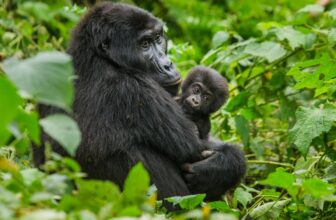
As the dominant silverback of the Nkuringo group, Rafiki played a vital role in the family. A silverback provides leadership, protection and stability. He guides the group’s movements, helps settle conflict and defends its members when danger arises.
The Nkuringo gorilla family lives in the rugged southern part of Bwindi Impenetrable National Park. The sector is known for its beautiful mountain scenery, challenging forest walks and deeply rewarding gorilla encounters. Rafiki’s calm presence and impressive size made him one of the memorable personalities of this celebrated gorilla family.
What Happened to Rafiki?
Rafiki was reported missing from the Nkuringo group on 1 June 2020. A search was launched, and his body was found inside Bwindi Impenetrable National Park the following day.
A post-mortem examination found that Rafiki had suffered a penetrating injury caused by a sharp object. The injury damaged internal organs and led to his death. The Uganda Wildlife Authority investigated the incident and arrested suspects connected to illegal entry and hunting inside the protected area.
One man later pleaded guilty to charges that included killing Rafiki, entering a protected area and illegally killing other wildlife. In July 2020, he received an 11-year prison sentence. The man said he had acted after Rafiki charged at him while he was hunting in the park, but entering a national park to hunt wildlife was itself illegal.
Rafiki’s death was not simply an unfortunate encounter. It demonstrated how illegal entry, poaching and the setting of traps for other animals can expose gorillas to grave danger, even when they are not the intended target.
Why Rafiki’s Death Was Such a Serious Loss
Every mountain gorilla matters. These primates reproduce slowly, with females normally giving birth only once every several years. The loss of a mature silverback can therefore have consequences beyond the death of one animal.
The removal of a dominant male may disturb the social structure of a gorilla family. Group members may become unsettled, separate or face competition from other males. Conservation teams consequently monitored the Nkuringo family closely after Rafiki’s death to understand how the gorillas would respond.
His killing was especially painful because it occurred during the COVID-19 pandemic, when Uganda’s tourism industry had almost completely stopped. Communities around protected areas lost tourism-related income, while conservation organisations faced reduced revenue. The incident showed how closely wildlife protection, tourism and community livelihoods are connected.
The Importance of Communities Around Bwindi
Protecting mountain gorillas cannot succeed through patrols alone. People living near Bwindi must also experience meaningful benefits from conservation.
Gorilla tourism supports employment for guides, trackers, rangers, porters, drivers, lodge staff, craftspeople and farmers. Uganda’s tourism revenue-sharing arrangements also help fund community projects around national parks. When conservation creates opportunity, local residents have a stronger reason to protect the forest and report illegal activities.
At the same time, communities need long-term support that extends beyond visitor numbers. Skills training, responsible tourism jobs, sustainable agriculture, education and alternative sources of income can reduce pressure on the forest. Former poachers can also become valuable conservation partners by using their knowledge of the landscape to support awareness and wildlife protection.
How Gorilla Tourism Supports Conservation
Responsible gorilla trekking is one of the most effective ways travellers can contribute to the continued protection of mountain gorillas. Permit revenue helps finance ranger patrols, veterinary monitoring, habitat protection and park management. Tourism also creates an economic link between healthy gorilla populations and the wellbeing of neighbouring communities.
Visitors can make their trek more responsible by:
- Booking gorilla permits and tours through licensed operators.
- Following all instructions given by rangers and trackers.
- Keeping the required distance from the gorillas.
- Avoiding trekking when ill, because gorillas are susceptible to human diseases.
- Never feeding, touching or provoking wildlife.
- Supporting community-owned experiences, local crafts and responsible lodges.
- Avoiding attractions that exploit wildlife or encourage unsafe contact.
These measures protect both visitors and gorillas while helping ensure that tourism remains a positive force in Bwindi.
Rafiki’s Lasting Legacy
Rafiki’s death remains one of the saddest chapters in the modern story of gorilla conservation in Uganda. Yet his story also strengthened public awareness of the threats facing mountain gorillas and highlighted the need for firm wildlife law enforcement, well-supported rangers and strong partnerships with local communities.
His legacy should not be defined only by the way he died. Rafiki should also be remembered as the magnificent leader of the Nkuringo family—a silverback who represented the strength, intelligence and social bonds of mountain gorillas.
The most meaningful tribute to Rafiki is continued action: protecting Bwindi’s forest, supporting the people who live beside it and ensuring that every gorilla family can survive and thrive in the wild.
Visit Bwindi Responsibly With Ngoni Safaris
At Ngoni Safaris Uganda, we believe that a gorilla trek should be more than a wildlife sighting. It should be a respectful encounter that supports conservation and leaves a positive impact on local communities.
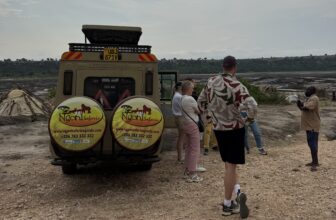
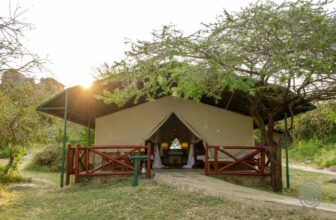
We arrange tailor-made gorilla trekking safaris to the Nkuringo, Rushaga, Buhoma and Ruhija sectors of Bwindi Impenetrable National Park. Our team can organise gorilla permits, private transport in a 4×4 safari vehicle, professional guides and accommodation suited to your travel style. Gorilla trekking can also be combined with chimpanzee tracking in Kibale, wildlife viewing in Queen Elizabeth National Park, relaxation at Lake Bunyonyi or a Rwanda extension.
By travelling responsibly, every visitor can help protect the mountain gorillas that made Rafiki’s home so extraordinary.
Plan your Bwindi gorilla safari with Ngoni Safaris Uganda and become part of a conservation story that must continue for generations.
Frequently Asked Questions
When did Rafiki the gorilla die?
Rafiki was reported missing on 1 June 2020, and his body was found in Bwindi Impenetrable National Park on 2 June 2020.
Which gorilla family did Rafiki lead?
Rafiki was the dominant silverback of the Nkuringo gorilla family in the southern sector of Bwindi.
How old was Rafiki?
He was approximately 25 years old at the time of his death.
What caused Rafiki’s death?
A post-mortem examination determined that he died after a sharp object penetrated his abdomen and damaged internal organs.
Can visitors trek the Nkuringo gorilla family?
Gorilla trekking arrangements depend on current habituated-group assignments and permit availability. Ngoni Safaris can check availability and arrange a suitable trek in Nkuringo or another Bwindi sector.
How does gorilla trekking help conservation?
Permit fees and tourism activity help support park operations, ranger work, gorilla monitoring and local livelihoods. Responsible tourism gives communities and authorities additional resources to protect gorillas and their forest habitat.