Shoebill in Uganda: Where and How to See Africa’s Prehistoric-Looking Bird
Uganda is one of Africa’s finest destinations for seeing the remarkable shoebill in the wild. Standing almost motionless among papyrus reeds, with a massive shoe-shaped bill and an intense gaze, this rare wetland bird looks as though it belongs to another age.
For bird lovers, wildlife photographers and first-time safari travellers, a shoebill excursion is an unforgettable addition to a Uganda safari. Ngoni Safaris Uganda can include a guided shoebill experience in a tailor-made itinerary, whether you have a few hours near Entebbe or want to combine birding with gorilla trekking, chimpanzee tracking and classic game viewing.
About the Shoebill
The shoebill (Balaeniceps rex) is a large, long-legged bird associated with tropical freshwater wetlands in parts of East and Central Africa. Its most distinctive feature is its enormous grey bill, which resembles a wooden shoe and ends in a sharp hook.
An adult shoebill can reach well over one metre in height. Despite its impressive size and almost intimidating appearance, it is usually quiet and patient. The bird may remain perfectly still for long periods before making a sudden strike at prey. Its diet includes lungfish, tilapia, catfish, frogs, snakes and other animals found in shallow wetlands.
The shoebill is sometimes called the “shoebill stork,” although it belongs to its own family. Its slow movements, broad wings and powerful bill make it one of Africa’s most distinctive birds.
Why Uganda Is a Top Shoebill Destination
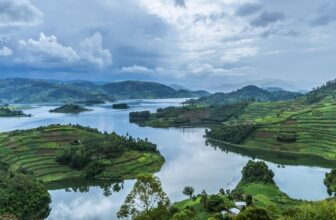
Uganda’s extensive papyrus swamps, lake margins and Nile wetlands provide ideal shoebill habitat. Several viewing areas are accessible by canoe or motorboat, making it possible to search for the bird without undertaking a long expedition.
Uganda also offers the advantage of variety. A shoebill trip can be combined easily with:
- Gorilla trekking in Bwindi Impenetrable or Mgahinga Gorilla National Park
- Chimpanzee tracking in Kibale Forest
- Game drives and the Kazinga Channel boat cruise in Queen Elizabeth National Park
- Wildlife viewing and a Nile cruise in Murchison Falls National Park
- Rhino tracking at Ziwa Rhino Sanctuary
- Cultural tours and other specialist birding experiences
No wild-animal sighting can be guaranteed, but travelling with an experienced local guide and allowing enough time greatly improves the chances of a rewarding encounter.
Best Places to See Shoebills in Uganda
1. Mabamba Bay Wetland
Mabamba Bay is Uganda’s best-known shoebill-viewing destination. This papyrus wetland lies on the shores of Lake Victoria, within convenient reach of Entebbe and Kampala.
Visitors normally explore the channels in a traditional canoe with a trained local guide. Moving quietly through papyrus and floating vegetation creates an intimate birding experience. Besides the shoebill, the wetland supports many other waterbirds, including kingfishers, jacanas, herons, egrets and weavers.
Mabamba is particularly suitable for:
- A half-day excursion from Entebbe
- An activity on the first or final day of a Uganda safari
- Birdwatchers with limited time
- Photographers seeking a low-level view from the water
Depending on the itinerary and water conditions, Mabamba can be reached by road or by a boat journey across Lake Victoria followed by a canoe excursion.
2. Murchison Falls National Park and the Nile Delta
The Nile Delta area in Murchison Falls National Park is another important place to search for shoebills. Here, the Victoria Nile spreads toward Lake Albert, creating channels, marshes and shallow waters suitable for wetland birds.
A delta boat trip offers the possibility of seeing shoebills alongside hippos, crocodiles and numerous waterbirds. It is an excellent addition to game drives and the classic boat cruise toward the base of Murchison Falls.
3. Ziwa Rhino Sanctuary
Ziwa is best known as Uganda’s rhino-tracking destination, but its wetland areas also offer opportunities to search for shoebills. A shoebill canoe excursion may be arranged when local conditions and schedules allow.
This makes Ziwa a rewarding stop between Kampala or Entebbe and Murchison Falls National Park. Travellers may combine a wetland birding experience with guided rhino tracking, creating a varied wildlife day.
4. Other Ugandan Wetlands
Shoebills may also occur in other suitable wetlands, including areas around Lake Albert and parts of eastern Uganda. These locations can be valuable for specialist birding itineraries, although access and sightings may be less predictable than at Mabamba Bay or the Nile Delta.
Best Time to See the Shoebill in Uganda
Shoebill excursions are possible throughout the year. Early morning is usually the preferred time because temperatures are cooler, bird activity can be higher and the light is softer for photography.
Uganda’s drier periods—commonly from December to February and June to September—often offer easier travel and comfortable conditions. The wetter months can provide lush scenery, dramatic skies and excellent general birding, but rain may affect roads, water levels and excursion timing.
Local wetland conditions change, so Ngoni Safaris confirms the most suitable departure time with guides before each excursion.
What to Expect on a Shoebill Excursion
A typical shoebill trip begins with a briefing from the local bird guide. Guests then enter the wetland by canoe or boat and navigate slowly through narrow channels while the guide scans likely feeding areas.
The experience rewards patience. Sometimes a shoebill is found quickly; on other days, the search takes longer. Along the way, guests can enjoy the wetland landscape and identify many other bird species.
For Mabamba, travellers should normally allow around half a day, including transfers and time on the water. The precise duration depends on the starting point, access route, weather and location of the birds.
What to Bring
- Binoculars
- Camera with a telephoto lens
- Lightweight, neutral-coloured clothing
- A hat and sunscreen
- Insect repellent
- Closed shoes or secure sandals suitable for a boat excursion
- A light rain jacket
- A waterproof bag or cover for electronics
- Drinking water
Keep equipment compact because space in a canoe can be limited. A beanbag can sometimes be more practical than a large tripod.
Responsible Shoebill Watching
Shoebills depend on healthy wetlands and quiet feeding and breeding areas. Responsible tourism can help support local guides and give communities a direct reason to protect wetland habitats.
Visitors should:
- Follow the guide’s instructions at all times
- Maintain a respectful distance from the bird
- Keep voices low and movements gentle
- Never pressure a boat operator to approach too closely
- Avoid disturbing nests or feeding birds
- Never play loud bird calls to provoke a reaction
- Take all litter away from the wetland
- Choose experienced operators who work with local communities
The best encounter is one in which the bird continues its natural behaviour undisturbed.
Photography Tips
The shoebill’s slow, deliberate behaviour makes it a fascinating photography subject. For better results:
- Use a fast shutter speed when the bird takes flight or strikes at prey
- Focus on the eye for portraits
- Photograph at the bird’s level when the canoe position allows
- Leave space in the frame to show the papyrus habitat
- Use quiet shooting mode where possible
- Protect your camera from spray and sudden rain
- Be patient—stillness may be followed by a dramatic movement
Combine Shoebill Watching with a Uganda Safari
Ngoni Safaris can add a Mabamba shoebill excursion to an Entebbe stay or design a longer Uganda safari around the country’s outstanding wildlife highlights.
A popular combination may include:
- Arrival and overnight in Entebbe
- Morning shoebill excursion at Mabamba Bay
- Rhino tracking at Ziwa and continuation to Murchison Falls
- Game drives and a Nile boat safari
- Chimpanzee tracking in Kibale Forest
- Queen Elizabeth National Park and the Kazinga Channel
- Gorilla trekking in Bwindi Impenetrable National Park
The route can be adjusted to suit the traveller’s available time, preferred accommodation level, interests and budget.
Book a Shoebill Safari with Ngoni Safaris Uganda
Whether you want a half-day shoebill experience from Entebbe or a complete Uganda birding and wildlife safari, Ngoni Safaris Uganda can arrange private transport, knowledgeable guides, accommodation and complementary activities.
Our tailor-made trips are designed around your dates and travel style. Contact Ngoni Safaris Uganda to start planning your shoebill adventure and discover one of the most extraordinary birds in Africa.
Ngoni Safaris Uganda — Explore Uganda’s wetlands, wildlife and unforgettable landscapes with local experts.