Hidden within the beautiful scenery of Queen Elizabeth National Park, the Katwe Explosion Craters are among Uganda’s most fascinating natural attractions. This dramatic landscape of deep depressions, rolling hills, crater lakes and sweeping viewpoints tells the story of powerful volcanic activity that shaped western Uganda thousands of years ago.
For travellers exploring Queen Elizabeth National Park, a visit to the Katwe crater area offers a refreshing change from the traditional game drive. Here, the attraction is not only wildlife but also geology, scenery, birdlife, local culture and the centuries-old salt-mining traditions of Lake Katwe.
Ngoni Safaris can include the Katwe Explosion Craters in a tailor-made Uganda safari, combining them with game drives, the Kazinga Channel boat cruise, chimpanzee trekking, gorilla trekking and other unforgettable experiences across the Pearl of Africa.
Where Are the Katwe Explosion Craters?
The Katwe Explosion Craters—also called the Katwe–Kikorongo crater field—are found in and around Queen Elizabeth National Park in western Uganda. The crater landscape lies near Mweya Peninsula, Lake Edward, Katwe-Kabatoro town and the northern section of the national park.
One of the best ways to experience the area is along the scenic Crater Drive. The route passes through an undulating landscape with views of crater lakes, grasslands, the Rwenzori Mountains on clear days and the vast plains of Queen Elizabeth National Park.
The craters are easily added to a safari based at Mweya, Kasenyi or the lodges surrounding Queen Elizabeth National Park.
How Were the Katwe Explosion Craters Formed?
The Katwe craters were formed by violent volcanic explosions rather than by the slow flow of lava. Hot magma rose beneath the earth and came into contact with underground water. The resulting pressure produced powerful steam-driven explosions that blasted rock and soil out of the ground, leaving large, steep-sided depressions known as maars.
Over time, some of these depressions filled with rainwater or groundwater to become crater lakes, while others remained dry. Minerals left behind by the volcanic activity gave several lakes a high salt content and helped create the unusual colours seen in parts of the crater field.
Today, the volcanoes are extinct, but the landforms remain as a spectacular reminder of the forces that created the Albertine Rift landscape.
Exploring the Katwe Crater Drive
The Crater Drive is one of the most scenic routes in Queen Elizabeth National Park. Travelling in a 4×4 safari vehicle, visitors can stop at selected viewpoints and admire the contrast between dark crater lakes, green slopes, open savannah and distant mountain ranges.
Depending on road and weather conditions, a crater drive normally takes about two to three hours. The experience is especially rewarding in the early morning or late afternoon, when the temperatures are cooler and the softer light is ideal for photography.
Highlights may include:
- Panoramic views across multiple explosion craters
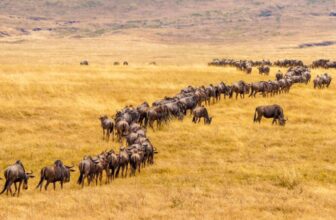
- Sightings of buffaloes, elephants, Uganda kobs, warthogs and other animals in the surrounding park
- Excellent landscape and bird photography
- Views towards Lake Edward and the Rwenzori Mountains when the sky is clear
- A visit to the salt-mining community at Lake Katwe
- A peaceful safari experience away from the busier wildlife-viewing tracks
Wildlife sightings are never guaranteed, but the crater route passes through a protected ecosystem where many of Queen Elizabeth National Park’s animals and birds may be encountered.
Lake Katwe and Traditional Salt Mining
Lake Katwe is the best-known lake in the crater field. Its saline water has supported traditional salt extraction for generations and remains an important source of income for the local community.
During a guided community visit, travellers can learn how salt is collected from evaporation pans around the lake. Local workers use methods passed down through generations to extract different grades of salt for domestic, agricultural and industrial use. The experience provides valuable insight into the relationship between the crater environment and the people who live beside it.
Visitors should enter the salt-production area with a local guide, follow all safety instructions and ask permission before photographing workers. Conditions at the lake can be hot, muddy or slippery, so sturdy closed shoes are recommended.
Lake Munyanyange and Birdwatching
Near Lake Katwe lies Lake Munyanyange, a seasonal crater lake and wetland known for its birdlife. At suitable water levels and times of year, visitors may see flamingos and other waterbirds. The number and species present change with rainfall, water conditions and seasonal movements, so sightings should be considered a wonderful possibility rather than a guarantee.
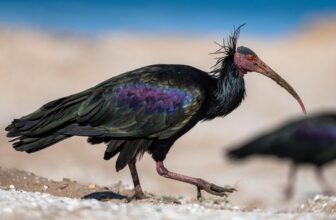
The wider crater area may also produce sightings of pelicans, herons, egrets, storks, kingfishers, raptors and many of the hundreds of bird species recorded in Queen Elizabeth National Park. For keen birders, Ngoni Safaris can arrange a slower visit with an experienced bird guide.
What to Do at the Katwe Explosion Craters
Take a Scenic Crater Drive
A guided 4×4 drive is the most convenient way to explore the wider crater landscape. It offers access to several viewpoints and can be combined with a morning or afternoon game drive.
Visit the Lake Katwe Salt Works
Meet local guides, observe traditional salt pans and learn about the economic and cultural importance of salt mining to the Katwe-Kabatoro community.
Enjoy Photography
The crater rims, changing lake colours, open savannah and distant mountains create some of western Uganda’s most impressive landscape compositions. A wide-angle lens is useful for scenery, while a telephoto lens helps capture birds and wildlife without disturbing them.
Go Birdwatching
Explore Lake Munyanyange and the surrounding crater habitats for waterbirds, raptors and savannah species. Early morning generally offers the best bird activity.
Combine the Visit with a Queen Elizabeth National Park Safari
The crater tour pairs naturally with a Kazinga Channel boat cruise, Kasenyi Plains game drive, lion-tracking experience where available, or a trip to the Ishasha sector in search of tree-climbing lions.
Best Time to Visit
The Katwe Explosion Craters can be visited throughout the year. The drier periods—generally from June to September and December to February—often provide easier road conditions and clearer views. These months are also popular for wildlife safaris.
The wetter seasons can make the landscape especially green and atmospheric, with dramatic skies that appeal to photographers. However, some tracks may become muddy or difficult after heavy rain, and the crater drive may need to be adjusted according to local conditions.
Because weather patterns vary, travellers should ask Ngoni Safaris for current advice when planning their journey.
What to Pack
For a comfortable visit, we recommend bringing:
- Comfortable, closed walking shoes
- A sun hat, sunscreen and sunglasses
- Drinking water
- A light rain jacket
- Binoculars for birds and distant wildlife
- A camera with spare batteries and memory cards
- Light, breathable clothing in neutral colours
- Insect repellent
Avoid walking close to steep or unstable crater edges. Always follow the instructions of your safari guide and remain aware that the area is part of a natural wildlife habitat.
Suggested Safari Combination
A visit to the Katwe craters can be included in a two- or three-night stay at Queen Elizabeth National Park. A typical programme may include:
Day 1: Arrive at Queen Elizabeth National Park, enjoy an afternoon game drive and settle into your lodge.
Day 2: Take an early-morning game drive on the Kasenyi Plains, return for lunch and enjoy an afternoon boat cruise on the Kazinga Channel.
Day 3: Explore the Katwe Explosion Craters and Lake Katwe salt works before continuing to Kibale Forest, Bwindi Impenetrable National Park or Entebbe.
The programme can be adjusted to suit your travel dates, interests, accommodation preference and overall Uganda itinerary.
Why Visit the Katwe Explosion Craters with Ngoni Safaris?
Ngoni Safaris Uganda Ltd organises private and tailor-made journeys throughout Uganda and East Africa. When you travel with us, we can arrange:
- A private 4×4 safari vehicle with a professional English-speaking driver-guide
- Accommodation ranging from comfortable budget lodges to luxury safari camps
- Queen Elizabeth National Park game drives and boat cruises
- A guided Lake Katwe community and salt-mining visit
- Chimpanzee trekking in Kibale Forest or Kyambura Gorge
- Gorilla trekking in Bwindi Impenetrable or Mgahinga Gorilla National Park
- Airport transfers and complete multi-day safari itineraries
Our team plans each journey carefully, allowing you to experience the landscape, wildlife and communities of Uganda at a comfortable pace.
Plan Your Katwe Crater Safari
The Katwe Explosion Craters reveal a different side of Queen Elizabeth National Park—one shaped by ancient volcanic forces and sustained today by wildlife, wetlands and local communities. Whether you are interested in geology, photography, birding, culture or beautiful scenery, the crater field is a rewarding addition to a Uganda safari.
Contact Ngoni Safaris Uganda Ltd to include the Katwe Explosion Craters in your personalised Queen Elizabeth National Park itinerary. We will help you combine this scenic experience with Uganda’s finest wildlife encounters, primate adventures and cultural discoveries.
Travel note: Park access, road conditions, community-visit arrangements and activity charges may change. Ngoni Safaris will confirm the latest details when preparing your safari.