Introduction
COVID-19 vaccination in Uganda has played an important role in protecting communities against severe illness, hospitalisation and complications associated with coronavirus disease. Since the introduction of COVID-19 vaccines, Uganda has continued to promote vaccination as part of its public health strategy to reduce the impact of the disease.
For residents, international visitors and tourists planning to travel to Uganda, understanding COVID-19 vaccination, vaccine safety and current travel requirements can help make informed health decisions.
This article explains the COVID-19 vaccination programme in Uganda, the types of vaccines used, who may benefit from vaccination, and what travellers should know before visiting the country.
1. History of COVID-19 Vaccination in Uganda
Uganda launched its national COVID-19 vaccination programme in March 2021 under the leadership of the Ministry of Health.
The initial vaccination campaign prioritised groups considered most vulnerable to severe COVID-19, including:
-
Healthcare workers.
-
Adults aged 50 years and above.
-
People with underlying medical conditions.
-
Teachers and education workers.
-
Security personnel and other essential workers.
The programme was gradually expanded as additional vaccine supplies became available. Vaccination outreach was also conducted through health facilities, workplaces, places of worship and community programmes.
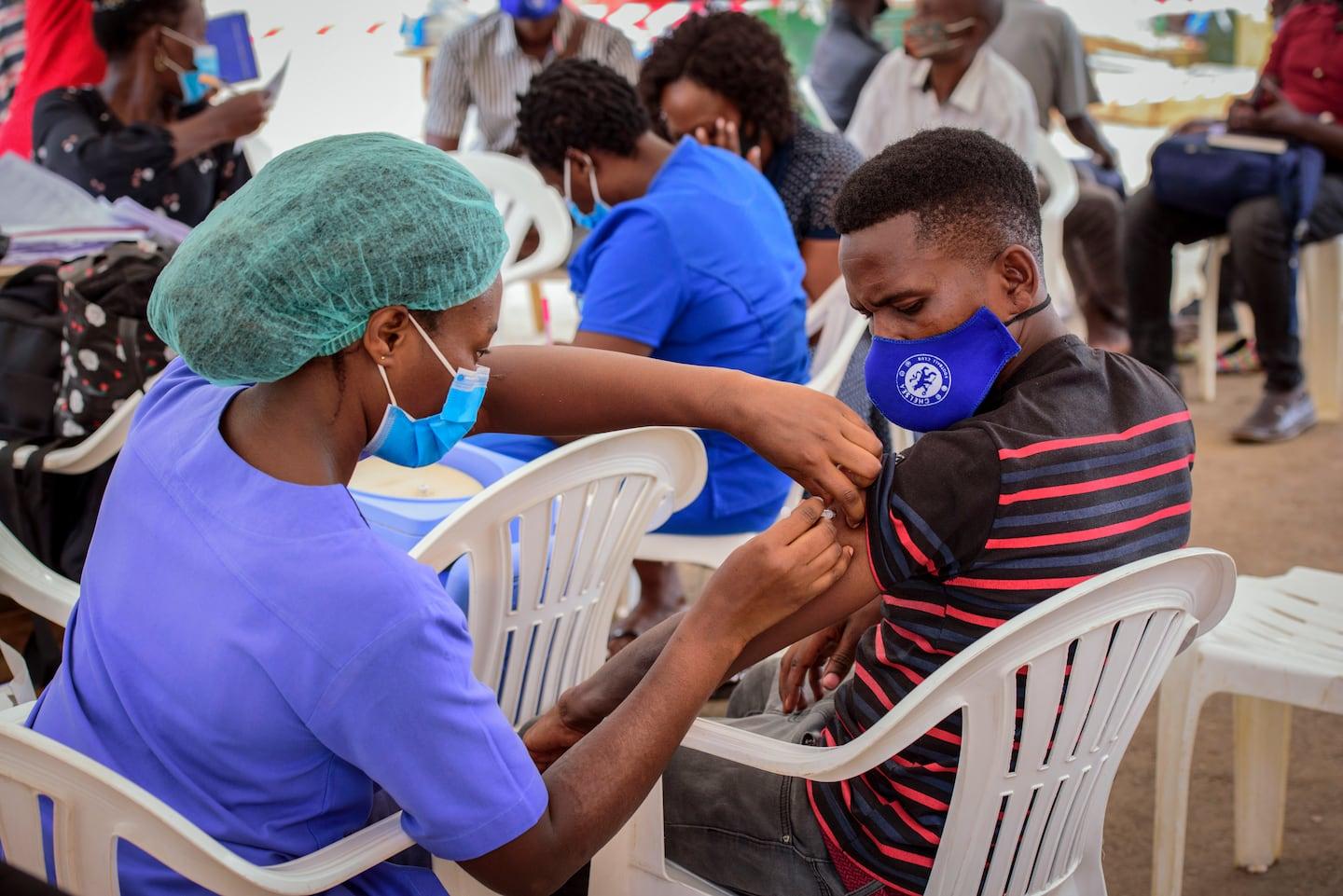
Covid19 Vaccination
2. Which COVID-19 Vaccines Were Used in Uganda?
During the national vaccination programme, Uganda used several COVID-19 vaccines supplied through international partnerships and vaccine procurement initiatives.
These included:
-
AstraZeneca.
-
Pfizer-BioNTech.
-
Moderna.
-
Johnson & Johnson (Janssen).
-
Sinovac.
The vaccines were developed using different technologies to help the immune system recognise and fight the virus.
The vaccines offered protection against severe disease, although protection against infection could decrease over time and vary with circulating virus variants.
World Health Organization+1
3. Who Should Consider Getting a COVID-19 Vaccine?
According to the World Health Organization (WHO), vaccination remains particularly important for people at increased risk of developing severe COVID-19.
These include:
-
Older adults.
-
People living with heart disease.
-
People with diabetes.
-
Individuals with chronic respiratory conditions.
-
People with weakened immune systems.
-
Pregnant women.
-
Healthcare workers who have direct contact with vulnerable patients.
WHO’s 2026 recommendations prioritise regular vaccination for people at the highest risk, with the appropriate schedule depending on age, health conditions and national guidance.
World Health Organization+1
4. Is the COVID-19 Vaccine Safe?
COVID-19 vaccines that have passed the required regulatory and safety assessments have been shown to provide protection against severe disease.
Like other vaccines, they may cause temporary side effects. Common reactions include:
-
Pain or swelling at the injection site.
-
Mild fever.
-
Headaches.
-
Tiredness.
-
Muscle and joint pain.
Most side effects are mild and disappear within a few days.
Severe allergic reactions and other serious adverse events are rare. Anyone with a history of serious allergic reactions to a vaccine ingredient should discuss vaccination with a qualified healthcare professional before receiving a dose.
World Health Organization
5. Where Can You Get a COVID-19 Vaccine in Uganda?
People interested in receiving a COVID-19 vaccine or booster should contact the nearest government health facility or recognised private healthcare provider.
The Ministry of Health Uganda is the appropriate authority for information about current vaccine availability, eligible groups and recommended vaccination schedules.
Since vaccine stocks and vaccination services can change, it is advisable to confirm availability before visiting a health facility.
For official information, visit the Uganda Ministry of Health website.
6. COVID-19 Vaccination Certificates in Uganda
Uganda established an online COVID-19 vaccination certification system through the Ministry of Health.
People whose vaccination records meet the certification requirements can use the official portal to retrieve and download their vaccination certificates.
The portal allows individuals to verify their vaccination information using the identification details and phone number registered during vaccination.
COVID-19 Vaccination Certification Portal
7. Do Tourists Need a COVID-19 Vaccine to Visit Uganda?
Uganda welcomes international visitors interested in exploring its wildlife, national parks, cultural attractions and natural landscapes.
Travellers should check the latest Ugandan entry requirements before departure because immigration and public health requirements may change.
Even where COVID-19 vaccination is not an entry requirement, travellers should consider their personal health circumstances and consult a healthcare professional about recommended vaccinations before travelling.
Visitors planning safaris in Uganda can also take general precautions, including maintaining good hygiene, washing hands regularly and avoiding close contact with people who have respiratory symptoms.
8. COVID-19 Vaccination and People with Existing Health Conditions
People living with underlying health conditions may face a higher risk of complications from COVID-19.
For this reason, vaccination recommendations place particular emphasis on protecting vulnerable populations.
People with heart disease, diabetes, kidney disease, respiratory illnesses and weakened immune systems should speak with their doctors about the most appropriate vaccination schedule.
COVID-19 vaccination can also be discussed with healthcare professionals during routine medical appointments.
9. The Future of COVID-19 Vaccination in Uganda
Although the emergency phase of the COVID-19 pandemic has passed, the virus continues to circulate globally.
Vaccination remains an important public health intervention, particularly for older adults and people with medical conditions that increase their risk of severe illness.
Uganda’s Ministry of Health continues to oversee public health programmes and work towards strengthening the country’s healthcare system.
Public awareness, access to reliable medical information and cooperation with healthcare professionals remain important in protecting communities against infectious diseases.
Conclusion
COVID-19 vaccination has been an important part of Uganda’s public health response since 2021. It has helped protect vulnerable populations and reduce the risk of severe illness.
Whether you are a Ugandan resident or an international visitor planning to explore the country, staying informed about vaccination recommendations and public health guidance is essential.
For the latest information, always consult the Uganda Ministry of Health and the World Health Organization.