Ebola Travel Restrictions in Uganda: Latest Travel Advice for Tourists in 2026
Last updated: 28 October 2026
Uganda remains one of Africa’s leading safari destinations, famous for mountain gorilla trekking, chimpanzee tracking, wildlife safaris and breathtaking natural landscapes. However, recent Ebola-related developments in the region have raised questions among international visitors about travel restrictions, airport screening, quarantine requirements and the safety of visiting Uganda.
For travellers planning a safari, understanding the current situation is essential. Although Uganda officially declared its 2026 Ebola outbreak over in July, precautionary public health measures remain in place because Ebola transmission continues in neighbouring Democratic Republic of Congo (DRC). Some international destinations have also introduced additional screening or entry requirements for travellers arriving from affected areas.
This article explains what visitors should know before travelling to Uganda, how the precautions may affect safari arrangements, and where to find reliable updates before departure.
1. Is Uganda Currently Free from Ebola?
Uganda officially declared its 2026 outbreak of Bundibugyo virus disease over on 28 July 2026, following the successful completion of its outbreak response. According to Uganda’s Ministry of Health, the country had not recorded another confirmed case since the outbreak was contained.
However, the regional situation remains important. The DRC continues to report Ebola cases, and the movement of people across shared borders means that renewed introductions remain a public health concern.
Ugandan health authorities have therefore maintained enhanced surveillance, traveller screening and preparedness measures at selected entry points and border areas.
For tourists, the important distinction is that the previous outbreak in Uganda has been declared over, but regional precautions have not been completely lifted.
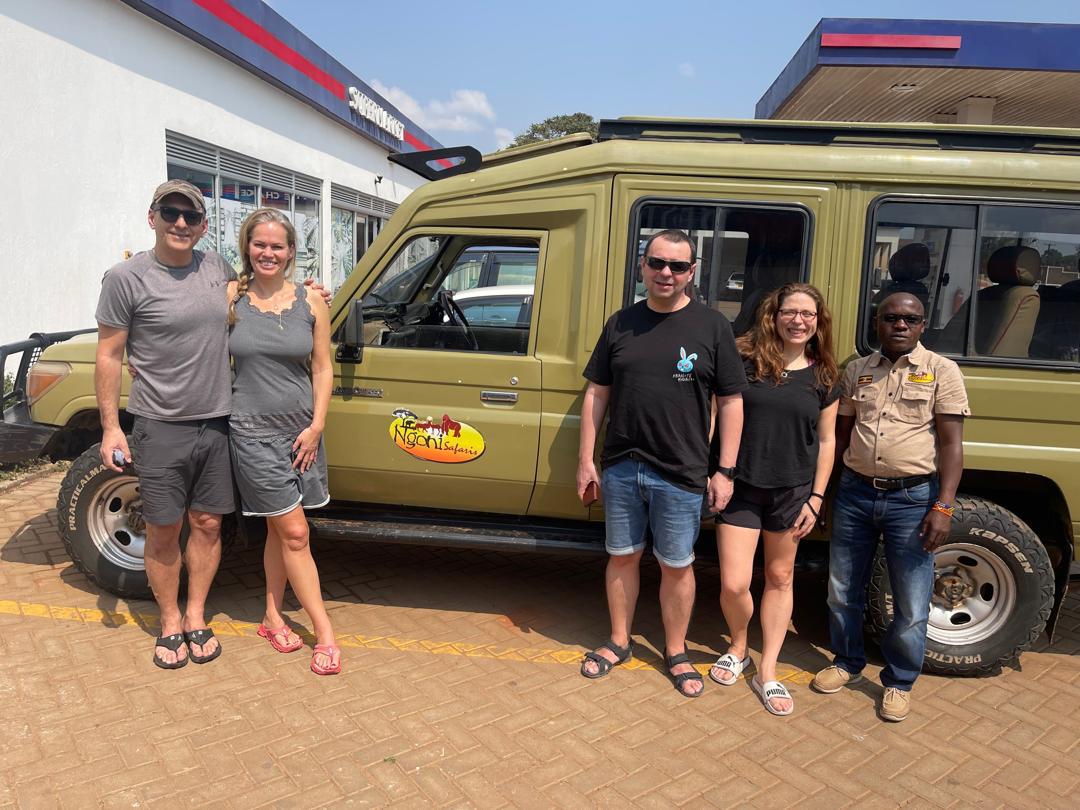
Recent Safari with Ngoni Safaris
2. What Ebola Travel Restrictions Apply in Uganda?
Uganda’s current measures are focused particularly on travellers with relevant exposure or travel histories connected to the ongoing outbreak in the DRC.
According to the Ugandan Ministry of Health’s public update of 25 October 2026, the following measures apply under its current response arrangements:
- Airport and border screening: Travellers entering Uganda are subject to screening by Port Health services, including at Entebbe International Airport and land border crossings.
- Passenger information: Travellers are required to complete the applicable Passenger Locator Form at their point of embarkation or before arriving in Uganda.
- Monitoring of contacts: People identified as contacts of an active case may be required to undergo 21 days of follow-up.
- Temporary travel restrictions: Listed contacts may be prevented from travelling until their required monitoring period is complete.
- Quarantine where required: People assessed as having relevant exposure may be subject to quarantine or other public health measures.
- Restrictions affecting DRC-related travel: Additional measures apply to certain travellers entering from or returning to the DRC, including restrictions on non-essential entry by DRC nationals and specific requirements for returning Ugandan citizens.
These measures do not mean that every international tourist visiting Uganda is automatically subject to a 21-day quarantine. Requirements depend on the individual’s circumstances, travel history, exposure assessment and the applicable government instructions.
Travellers who have recently visited the DRC should seek specific guidance from the relevant authorities and their airline before planning onward travel through Uganda.
3. Are International Tourists Allowed to Visit Uganda?
Yes. Uganda has not imposed a general ban on international tourism following the declaration that its outbreak was over.
Visitors can continue planning holidays involving destinations such as Bwindi Impenetrable National Park, Mgahinga Gorilla National Park, Queen Elizabeth National Park, Kibale Forest National Park, Murchison Falls National Park and Lake Mburo National Park, subject to current entry requirements and any local public health directions.
Nevertheless, international travellers should not assume that every destination applies identical rules. Some countries have introduced additional screening or entry measures for people arriving from Uganda or other countries affected by the regional outbreak.
Before departure, tourists should check:
- Uganda’s latest Ministry of Health announcements.
- Their own government’s travel advice for Uganda and the wider region.
- Entry and transit requirements imposed by destination and connecting countries.
- Airline guidance concerning health declarations, screening and transit eligibility.
These checks are particularly important for travellers with connecting flights or recent travel to the DRC.
4. Will Travellers Face Quarantine When Returning Home?
Quarantine requirements depend on the destination country, the traveller’s recent movements, possible exposure and the regulations in force at the time of travel.
Some governments may require additional health screening or public health follow-up for travellers arriving from affected areas. In other circumstances, travellers may be asked to provide information about their itinerary or undergo further assessment if they meet the relevant criteria.
There is no single worldwide quarantine rule that applies to everyone returning from Uganda.
Travellers should therefore consult official government guidance for their country of residence before booking flights. They should also check the latest requirements with their airline, particularly if travelling through another country.
Safari visitors are encouraged to retain their flight details, accommodation records and tour itinerary so that accurate travel information is available if requested by health authorities.
5. Does Ebola Affect Gorilla Trekking and Wildlife Safaris?
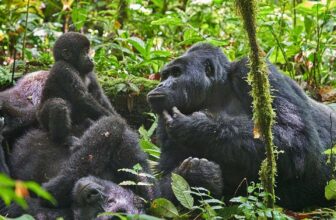
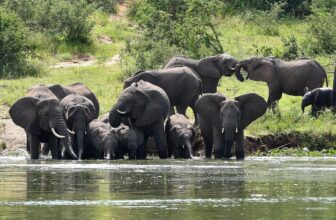
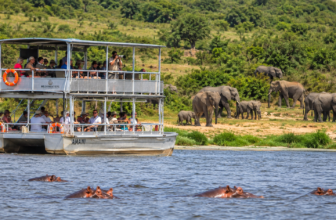
Uganda’s national parks remain important destinations for nature-based tourism. Gorilla trekking, chimpanzee tracking, game drives and boat safaris can continue in accordance with the applicable park regulations and public health guidance.
The principal considerations for visitors are current entry requirements, any location-specific health advice and compliance with instructions from park authorities.
For gorilla and chimpanzee trekking, visitors should follow the guidance of park rangers and guides, avoid participating when unwell, maintain appropriate hygiene and respect the required distance from wildlife.
These precautions are important because mountain gorillas and chimpanzees are susceptible to certain human infectious diseases. Visitors should never attempt to touch or approach these animals beyond the limits established by the park authorities.
Tourists should also understand that a safari’s operational status and a country’s international travel requirements are separate issues. A national park may be operating normally while a traveller’s transit country has additional screening or entry conditions.
6. What Should Tourists Do Before Travelling to Uganda?
Travellers can reduce uncertainty by preparing carefully before departure.
Check official updates: Review the latest information from Uganda’s Ministry of Health and your government’s travel advisory.
Confirm transit rules: If your journey connects through another country, check whether that country has special requirements relating to recent travel in Uganda or the DRC.
Disclose travel history accurately: Complete required health declarations and answer screening questions truthfully.
Follow medical advice: If you develop symptoms that may be consistent with Ebola after a possible exposure, seek urgent medical advice and contact healthcare providers before travelling to a clinic. Avoid close contact with others while awaiting instructions.
Keep your tour operator informed: Share any official travel restrictions or airline notices that may affect your arrival dates, connecting flights or safari arrangements.
Review your booking conditions: Before changing or cancelling a trip, check the terms covering accommodation, transport, flights, permits and refunds. Gorilla permits and other tourism services may have separate cancellation and rescheduling conditions.
7. Is It Safe to Book a Uganda Safari in 2026 and 2027?
Uganda continues to welcome international visitors, and its tourism sector remains committed to providing memorable wildlife and cultural experiences. The declaration that the country’s 2026 outbreak was over is an important milestone, although the continuing outbreak in the DRC makes it necessary to monitor regional developments.
Travellers considering a safari in late 2026 or 2027 should make decisions using current official advice rather than relying exclusively on older reports or social media discussions.
Travel conditions can change, so visitors should confirm their arrangements close to departure and maintain communication with their airline and tour operator.
For travellers who have already booked a safari, an Ebola-related announcement does not automatically mean that their tour is cancelled. The appropriate response depends on the precise government requirements, flight arrangements, exposure circumstances and booking terms.
8. How Ngoni Safaris Uganda Supports Travellers
At Ngoni Safaris Uganda, we understand that travellers need clear information and dependable communication when planning an African adventure.
We encourage our clients to monitor official health announcements, confirm international entry and transit requirements, and notify us promptly if new government measures affect their travel plans.
Our team can assist with reviewing safari itineraries, discussing available alternatives and coordinating the relevant arrangements in accordance with the terms of each booking and the instructions of the responsible authorities.
Whether you are planning mountain gorilla trekking in Bwindi, chimpanzee tracking in Kibale, a wildlife safari in Queen Elizabeth National Park or a visit to Murchison Falls, preparation and accurate information are essential parts of a successful journey.
Contact Ngoni Safaris Uganda
Conclusion
Uganda declared its 2026 Ebola outbreak over on 28 July, but enhanced public health precautions remain because transmission continues in the neighbouring DRC. Travellers should distinguish these targeted measures from a general ban on tourism.
Before travelling, check official health announcements, confirm any airline and transit-country requirements, and follow instructions issued by public health authorities.
With accurate information and careful planning, visitors can make informed decisions about their Uganda safari while respecting the measures designed to protect local communities, travellers and wildlife.
Disclaimer: Travel restrictions and public health requirements can change without notice. This article provides general travel information and is not a substitute for official government instructions or individual medical advice. Verify all applicable requirements before departure.