UNESCO World Heritage Sites in Uganda: Discover the Country’s Remarkable Natural and Cultural Treasures
Introduction
Uganda, often known as the Pearl of Africa, is a country blessed with extraordinary natural beauty, diverse wildlife, rich cultural traditions and fascinating history. From ancient tropical rainforests sheltering endangered mountain gorillas to spectacular snow-capped mountains and sacred royal burial grounds, Uganda offers travellers unforgettable experiences.
Among the country’s most important attractions are its UNESCO World Heritage Sites. These places are internationally recognized for their outstanding natural or cultural significance and represent some of Uganda’s most valuable treasures.
Uganda has three properties inscribed on the UNESCO World Heritage List: Bwindi Impenetrable National Park, Rwenzori Mountains National Park and the Tombs of Buganda Kings at Kasubi. Each offers a different perspective on the country’s remarkable heritage.
For travellers planning a Uganda safari, these sites provide wonderful opportunities to experience wildlife, adventure, history and authentic African culture.
1. Bwindi Impenetrable National Park
Bwindi Impenetrable National Park is one of Uganda’s most celebrated natural attractions and a globally important conservation area. Located in southwestern Uganda, the park was inscribed on the UNESCO World Heritage List in 1994 because of its exceptional biodiversity and ecological importance.
The park protects an ancient tropical rainforest characterized by steep hills, thick vegetation, mist-covered valleys and an extraordinary variety of wildlife. Its most famous inhabitants are the endangered mountain gorillas, making Bwindi one of the world’s premier destinations for gorilla trekking.
Mountain Gorilla Trekking in Bwindi
Mountain gorilla trekking is the main attraction for many visitors to Bwindi. Accompanied by trained guides and trackers, visitors hike through the forest in search of a habituated gorilla family. Once the gorillas are located, visitors are permitted a carefully regulated viewing experience under the applicable conservation guidelines.
Seeing a mountain gorilla in its natural habitat is an unforgettable wildlife experience. Travellers may observe gorilla families feeding, resting, grooming and interacting with their young.
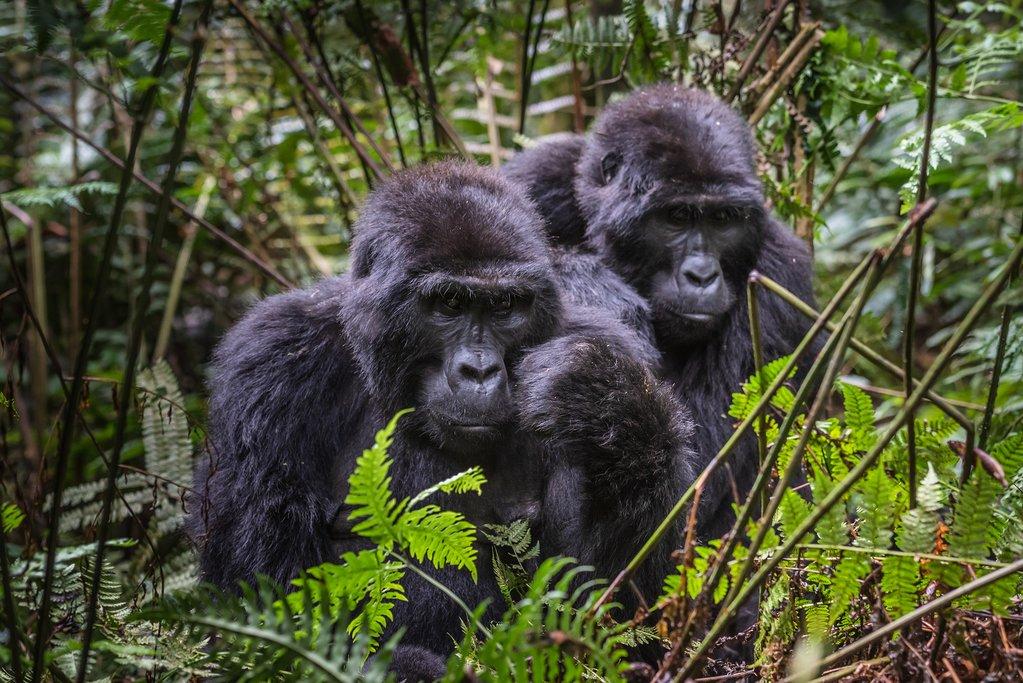
Bwindi Impenetrable National Park
Biodiversity and Birdwatching
Beyond gorillas, Bwindi supports numerous other mammals, butterflies, forest plants and bird species. It is particularly important for birdwatching, with many Albertine Rift endemic species attracting bird enthusiasts from around the world.
Batwa Cultural Experiences
Visitors can also learn about the traditions and forest heritage of the Batwa people through community-led cultural experiences. These visits provide opportunities to understand the historical relationship between Indigenous communities and the forest while supporting local livelihoods.
Best experiences: Mountain gorilla trekking, birdwatching, guided forest walks and community cultural visits.
Location: Southwestern Uganda.
UNESCO inscription: 1994.
2. Rwenzori Mountains National Park
Rwenzori Mountains National Park is another of Uganda’s outstanding natural heritage destinations. Located along the border between Uganda and the Democratic Republic of the Congo, the park protects part of the magnificent Rwenzori mountain range, famously associated with the name “Mountains of the Moon.”
The park was inscribed on the UNESCO World Heritage List in 1994 in recognition of its exceptional natural features and distinctive mountain ecosystems.
Unlike many African mountain destinations dominated by dry landscapes, the Rwenzori Mountains feature lush forests, bamboo zones, giant heathers, unusual giant lobelias, alpine meadows and high-altitude glacial scenery.
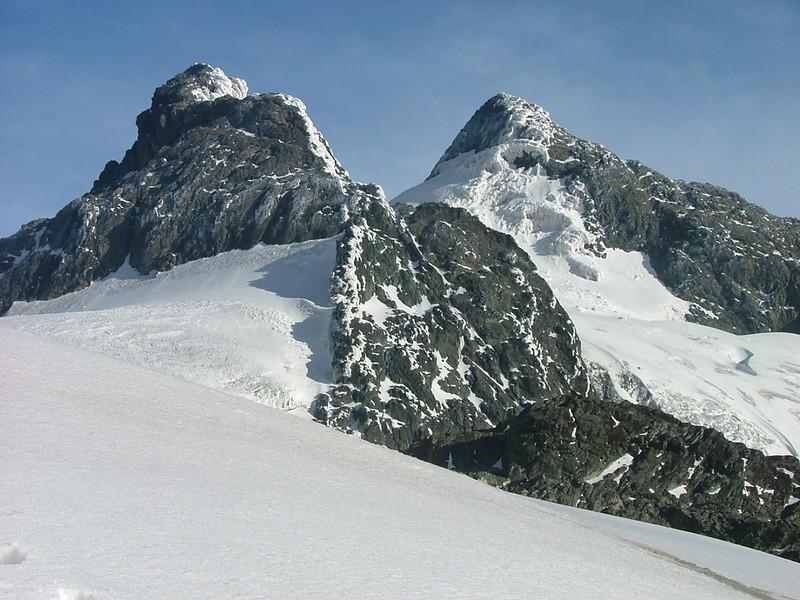
Rwenzori Mountains
Mountain Trekking and Margherita Peak
The Rwenzori Mountains are a leading destination for adventure tourism in Uganda. Experienced mountain guides lead multi-day expeditions through different vegetation zones, allowing trekkers to discover the range’s spectacular scenery and remarkable plant life.
Margherita Peak, at approximately 5,109 metres above sea level, is the highest point of the Rwenzori range and lies on Mount Stanley. Reaching the summit requires careful preparation, appropriate equipment, suitable weather conditions and experience with demanding high-altitude terrain.
Travellers who prefer less demanding adventures can explore shorter trekking routes and forest landscapes without attempting the highest summit.
Unique Wildlife and Mountain Landscapes
The park is home to several forest and alpine wildlife species, alongside a rich variety of birds and distinctive high-altitude plants. Its combination of misty valleys, waterfalls, rocky peaks and glacial environments makes it one of East Africa’s most remarkable natural landscapes.
Best experiences: Guided mountain trekking, alpine scenery, birdwatching, nature photography and expeditions to Margherita Peak.
Location: Western Uganda, near Kasese and the Democratic Republic of the Congo border.
UNESCO inscription: 1994.
3. Tombs of Buganda Kings at Kasubi
The Tombs of Buganda Kings at Kasubi represent Uganda’s cultural heritage and the historical importance of the Kingdom of Buganda. Located in Kampala, the site is a sacred burial ground for Buganda kings, known as Kabakas, and other members of the royal family.
The property was inscribed on the UNESCO World Heritage List in 2001 for its outstanding cultural significance, traditional architecture and continuing importance to the spiritual and cultural life of the Baganda people.
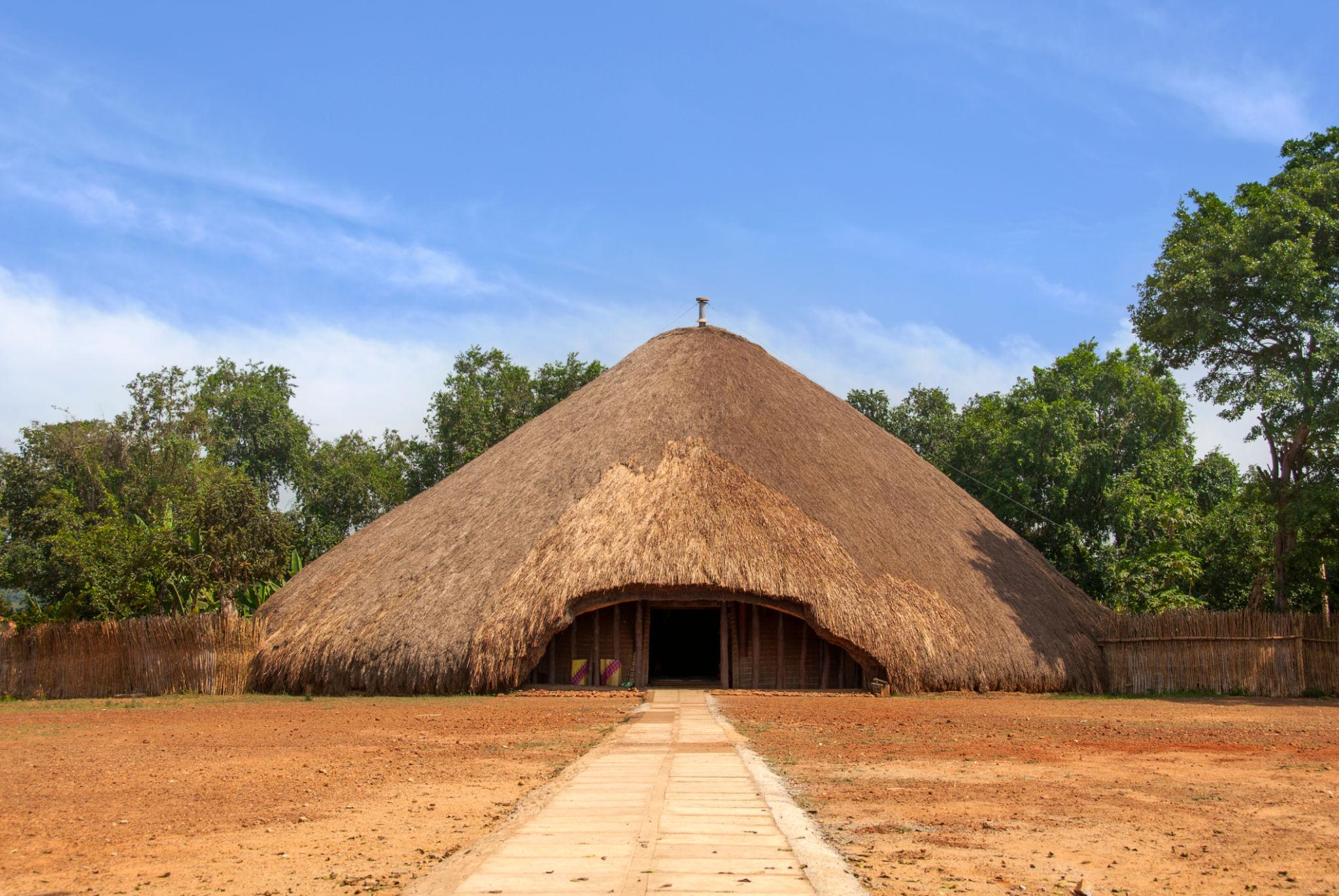
Kasubi Tombs in Buganda Kingdom
Traditional Ganda Architecture
One of the site’s most distinctive features is Muzibu Azaala Mpanga, the principal royal tomb building. Its traditional construction incorporates organic materials, including timber, reeds, thatching and other locally sourced materials.
The architectural design reflects the craftsmanship, cultural knowledge and building traditions passed down through generations. The site also demonstrates the importance of traditional skills in preserving Uganda’s cultural identity.
The Royal Heritage of Buganda
Kasubi is much more than a historic building. It is a living cultural and spiritual place associated with royal traditions, ceremonies and ancestral remembrance.
A visit introduces travellers to the history of Buganda, one of Uganda’s most influential traditional kingdoms, and provides a deeper understanding of the country’s cultural diversity.
The site suffered a devastating fire in 2010, and its restoration has been an important part of preserving this heritage. Visitors should confirm current access arrangements before planning a visit.
Best experiences: Cultural tours, learning about Buganda’s royal history, traditional architecture and heritage photography where permitted.
Location: Kampala, Uganda.
UNESCO inscription: 2001.
Other Important Heritage Sites in Uganda
In addition to its three inscribed World Heritage properties, Uganda has several other archaeological, cultural and natural places that contribute to its heritage.
Some have been included on UNESCO’s Tentative List, meaning they have been proposed for possible future consideration but are not yet formally inscribed as World Heritage Sites.
Nyero Rock Paintings
Located in eastern Uganda, the Nyero Rock Paintings are among the country’s most significant examples of ancient rock art. The paintings feature geometric designs and other motifs that offer insights into the region’s archaeological and cultural history.
Bigo bya Mugyenyi
Bigo bya Mugyenyi is an archaeological landscape in western Uganda known for its extensive earthworks, including ditches and embankments. The site is associated with historical settlement and traditions in the region.
Ntusi Archaeological Site
Ntusi, located in central Uganda, is an important archaeological site containing evidence of earlier settlement and economic activity. It contributes to the understanding of Uganda’s precolonial history.
Kibiro Salt-Producing Village
Situated on the shores of Lake Albert, Kibiro is known for traditional salt production. The community’s methods and cultural practices illustrate the historical relationship between people, natural resources and local livelihoods.
These destinations can enrich cultural and heritage tours across Uganda, although their UNESCO status differs from that of the three officially inscribed World Heritage properties.
Why Visit Uganda’s UNESCO World Heritage Sites?
Uganda’s UNESCO sites appeal to travellers seeking more than conventional wildlife safaris. Together, they showcase the country’s natural wonders and cultural traditions.
Exceptional wildlife: Bwindi offers opportunities to observe endangered mountain gorillas in their natural habitat.
Adventure and exploration: The Rwenzori Mountains provide challenging treks, beautiful alpine landscapes and extraordinary biodiversity.
Cultural discovery: Kasubi Tombs introduce visitors to Buganda’s royal history, spiritual traditions and traditional architecture.
Conservation awareness: Visiting these sites helps travellers understand the importance of protecting natural environments and preserving cultural heritage for future generations.
Photography and nature: From mist-covered rainforests to dramatic mountain peaks and traditional buildings, Uganda offers memorable opportunities for photography and cultural exploration.
Best Time to Visit Uganda’s UNESCO World Heritage Sites
Uganda can be visited throughout the year, but weather conditions influence trekking and outdoor activities.
The relatively drier periods, generally from June to August and December to February, are often popular for gorilla trekking and mountain excursions. However, Bwindi is a rainforest and rainfall can occur at any time.
The Rwenzori Mountains can experience challenging weather throughout the year, so trekkers should plan according to the route, seasonal conditions and professional mountain-guiding advice.
Kasubi Tombs and other cultural sites can generally be incorporated into a Kampala sightseeing itinerary at different times of the year, subject to opening arrangements and any temporary closures.
Advance planning is especially important for gorilla permits and multi-day mountain expeditions.
Explore Uganda’s Heritage with Ngoni Safaris
At Ngoni Safaris, we help travellers discover Uganda through carefully planned wildlife safaris, cultural tours and outdoor adventures. Our itineraries can combine mountain gorilla trekking in Bwindi, nature and hiking experiences in the Rwenzori Mountains, and cultural sightseeing at Kasubi Tombs.
Depending on your travel dates, interests and available time, we can arrange private guided tours, comfortable accommodation and transport in a suitable 4×4 safari vehicle.
Whether you are planning a gorilla safari, a challenging mountain expedition or a cultural journey through Uganda, our team can help you create an itinerary that showcases the country’s remarkable attractions.
Frequently Asked Questions About UNESCO World Heritage Sites in Uganda
How many UNESCO World Heritage Sites are in Uganda?
Uganda has three properties inscribed on the UNESCO World Heritage List: Bwindi Impenetrable National Park, Rwenzori Mountains National Park and the Tombs of Buganda Kings at Kasubi.
Which UNESCO site in Uganda is famous for mountain gorillas?
Bwindi Impenetrable National Park is internationally renowned for its mountain gorillas and guided gorilla trekking experiences.
Which UNESCO site in Uganda is best for mountain trekking?
Rwenzori Mountains National Park is the leading choice for mountain trekking, including expeditions towards Margherita Peak on Mount Stanley.
Where are the Kasubi Tombs located?
The Tombs of Buganda Kings at Kasubi are located in Kampala, Uganda’s capital city.
Are all Uganda’s UNESCO heritage sites natural attractions?
No. Bwindi and the Rwenzori Mountains are natural heritage properties, while the Kasubi Tombs are recognized for their cultural significance.
Can I visit all three UNESCO World Heritage Sites on one trip?
Yes. With sufficient time, travellers can combine Kampala’s Kasubi Tombs with a safari to Bwindi and a trekking excursion to the Rwenzori Mountains. Because these destinations are geographically separated, the itinerary should allow adequate time for transfers and activities.
Conclusion
Uganda’s UNESCO World Heritage Sites reveal the country’s extraordinary combination of natural beauty, biodiversity and cultural identity. Bwindi Impenetrable National Park offers unforgettable mountain gorilla encounters, Rwenzori Mountains National Park showcases some of Africa’s most spectacular mountain environments, and the Kasubi Tombs preserve the royal heritage of the Kingdom of Buganda.
For visitors seeking meaningful travel experiences, these destinations provide an excellent introduction to Uganda’s natural and cultural treasures.
Plan your next adventure with Ngoni Safaris and discover why Uganda remains one of Africa’s most rewarding destinations for wildlife, adventure and cultural tourism.