Safari in Africa: A Guide to Wildlife, Landscapes and Unforgettable Journeys
By Ngoni Safaris Uganda Ltd
An African safari begins with a simple idea: leave the familiar behind and spend time where wildlife still moves through open plains, forests, wetlands and river valleys. One morning might bring elephants crossing a track in front of your vehicle. Another might take you on foot through a misty forest to see mountain gorillas. The best safari is the one shaped around the places, pace and experiences that matter most to you.
At Ngoni Safaris, we plan private journeys across Uganda, Rwanda, Kenya and Tanzania, combining experienced local guiding with carefully chosen lodges and a practical itinerary.
What is an African safari?
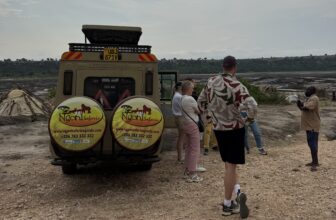
A safari is a journey to experience wildlife and landscapes in their natural setting. Game drives are a familiar part of the trip, but there is much more to explore: guided forest treks, boat safaris, birdwatching, nature walks and visits with local communities. Wildlife sightings are never guaranteed, and that unpredictability is part of the experience.
Where should you go on safari in East Africa?
Uganda: Wildlife, waterways and primates
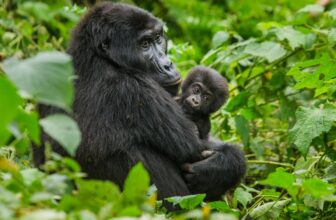
Uganda offers an unusually varied safari. In Bwindi Impenetrable National Park, visitors can trek to see mountain gorillas. Kibale National Park is known for chimpanzee trekking, while Queen Elizabeth National Park offers game drives, the Kazinga Channel boat cruise and the chance to look for the tree-climbing lions of Ishasha. Murchison Falls National Park pairs savannah wildlife with a Nile boat journey towards the falls.
This variety makes Uganda a strong choice for travellers who want both classic game viewing and time with primates.
Rwanda: Gorillas and beautiful highlands
Rwanda’s Volcanoes National Park is a destination for mountain gorilla trekking, with golden monkey tracking and hiking also available. Akagera National Park offers a contrasting savannah landscape with game drives and boat safaris. A Rwanda itinerary can be planned on its own or paired with neighbouring Uganda.
Kenya: Iconic savannah scenes
Kenya is well suited to travellers dreaming of wide plains, predators and herds of grazing animals. The Maasai Mara is a celebrated game-viewing destination, while Amboseli is particularly associated with elephants and views towards Mount Kilimanjaro when conditions are clear. Each reserve has its own character, so the right route depends on your interests and available time.
Tanzania: Big landscapes and extended game viewing
Tanzania’s Serengeti is famous for its vast grasslands and moving herds. The wider northern safari circuit can combine the Serengeti with other wildlife areas for several days of game viewing. If witnessing a particular stage of the migration is a priority, plan your route around the season while allowing for the fact that wildlife movements vary with rainfall.
Ways to experience a safari
- Game drives: Explore wildlife areas with a professional guide, often when animals are most active in the morning or late afternoon.
- Gorilla and chimpanzee trekking: Walk with authorized guides through forest habitat for an encounter governed by park rules and permit availability.
- Boat safaris: Watch riverbank and wetland wildlife from the water, including on Uganda’s Nile and Kazinga Channel.
- Birdwatching: Spend time in forests, wetlands and grasslands with a route tailored to your target species.
- Culture and community: Add thoughtfully arranged local experiences that provide context beyond the parks.
When is the best time for an African safari?
There is no single best month for every destination or activity. Drier periods can make some roads and walking trails easier, while greener periods bring lush scenery and a different atmosphere. Gorilla trekking runs through the year, and a migration-focused safari calls for a different plan from a primate-focused journey. Tell us what you most want to see, and we can recommend the route and timing that suit that goal.
How long should you travel?
A short trip can concentrate on one highlight, such as gorilla trekking or a single game-viewing area. With a week, you can combine several parks within one country. Ten days or more gives you room for a gentler pace, varied habitats or a journey across borders. Allowing enough time between destinations often makes the whole safari more enjoyable.
What to pack
Bring lightweight layers, comfortable walking shoes, sun protection, insect repellent, binoculars and a camera with spare batteries. Forest trekking may require waterproof clothing and sturdy footwear. Luggage allowances can differ on small aircraft, so check your confirmed itinerary before packing for a fly-in safari.
Plan your safari with Ngoni Safaris
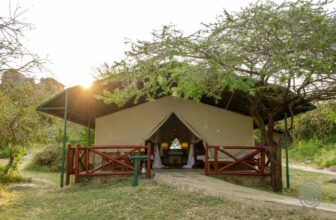
Whether you dream of mountain gorillas in Uganda, a classic Kenya or Tanzania game drive, or a journey that connects several East African destinations, Ngoni Safaris can create a trip around your dates, interests and preferred standard of accommodation. Share your travel window, group size and must-see experiences, and we will prepare a tailored itinerary and quotation.
Ngoni Safaris Uganda Ltd — discover Africa at your own pace.
Further reading
- Uganda Wildlife Authority: Visitor Guide
- Visit Rwanda: National Parks
- Kenya Wildlife Service: Amboseli National Park
- UNESCO: Serengeti National Park
BOOK YOUR SAFARI WITH US