How COVID-19 Changed Travel and Tourism in Uganda and Around the World
The coronavirus (COVID-19) pandemic had an unprecedented impact on the global tourism industry. The effects of Coronavirus on the tourism sector include international travel restrictions and closed borders, cancelled flights, postponed safaris and temporary closure of tourism facilities, as destinations around the world experienced major disruptions.
Uganda’s tourism sector, which depends heavily on international visitors, was also significantly affected. At Ngoni Safaris, we witnessed how the pandemic changed travel plans, affected tourism businesses and created uncertainty for travelers, guides, drivers, lodges and communities that depend on tourism.
Although international tourism has gradually recovered, the experience provided important lessons about resilience, health, sustainability and the future of travel.
Decline in International Travel
One of the most immediate effects of COVID-19 was the dramatic reduction in international travel.
Countries introduced travel restrictions, border controls, quarantine requirements and flight suspensions. Many travelers cancelled or postponed their holidays because of uncertainty about changing regulations.
For Uganda, this meant fewer international tourists arriving for some of the country’s most popular experiences, including:
- Gorilla trekking in Bwindi Impenetrable National Park
- Chimpanzee trekking in Kibale National Park
- Wildlife safaris in Queen Elizabeth National Park
- Murchison Falls National Park safaris
- Kidepo Valley National Park adventures
- Rwenzori Mountain climbing
- Cultural and community tourism
- Birdwatching tours
Tour operators, hotels, lodges, airlines and other tourism businesses were all affected by the reduction in visitor numbers.
Impact on Safari Companies
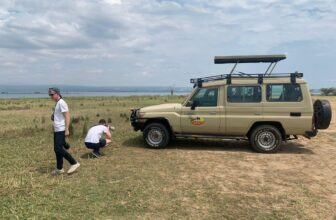
Tour operators are an important part of Uganda’s tourism value chain. They organize transportation, accommodation, permits, guides, meals and activities for visitors.
During the pandemic, many safari bookings were cancelled or postponed. Businesses had to deal with changing travel regulations while trying to protect clients and employees.
For companies such as Ngoni Safaris, the period highlighted the importance of flexible booking arrangements and clear communication with travelers.
We learned that travelers need confidence when booking a safari. They want to know what happens if their flight is cancelled, borders close or an unexpected health emergency affects their journey.
Effect on Hotels and Lodges
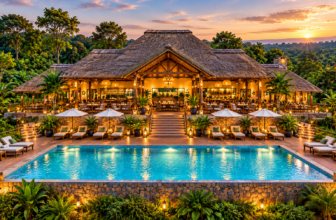
Hotels and safari lodges were among the businesses most directly affected.
Many properties experienced very low occupancy during periods when international tourism was restricted. Some had to reduce staff numbers or temporarily close operations.
Uganda’s safari lodges are particularly dependent on visitors traveling to national parks and wildlife destinations. When international arrivals declined, accommodation providers in areas such as Bwindi, Kibale, Murchison Falls and Queen Elizabeth also felt the impact.
The recovery of tourism has therefore been important not only for hotels but also for the many workers and suppliers connected to them.
Impact on Tour Guides and Drivers
Tour guides and safari drivers play a central role in Uganda’s tourism industry.
When tourists stopped traveling, guides and drivers lost many of their normal assignments. This affected their families as well as communities that depend on tourism income.
A single safari can support many people beyond the guide and driver, including:
- Lodge employees
- Park rangers
- Porters
- Local artisans
- Farmers supplying food
- Restaurant workers
- Mechanics
- Fuel suppliers
- Community tourism organizations
- Cultural performers
This demonstrates how deeply tourism is connected to local economies.
Wildlife Conservation and Protected Areas
Tourism revenue contributes to conservation in many destinations. When tourism activity declines, conservation organizations and communities can face additional financial pressure.
Uganda’s national parks protect important populations of mountain gorillas, chimpanzees, elephants, lions, hippos, giraffes and numerous bird species.
Tourism also creates economic incentives for communities living around protected areas to support conservation.
The pandemic therefore demonstrated the importance of developing tourism models that can remain resilient during major international disruptions.
Changes in Traveler Expectations
COVID-19 also changed what many travelers expect from tourism companies.
Health, hygiene, flexibility and safety became increasingly important considerations.
Travelers became more interested in:
- Private safaris
- Smaller groups
- Flexible cancellation policies
- Outdoor activities
- Nature-based travel
- Less crowded destinations
- Health and hygiene standards
- Reliable travel information
Uganda is well positioned for many of these preferences because much of the country’s tourism is based on outdoor experiences, wildlife, forests, mountains and small-group adventures.
The Importance of Flexible Safari Bookings
One of the major lessons from the pandemic is that travel plans can sometimes change unexpectedly.
At Ngoni Safaris, we understand the importance of communicating clearly with our clients about booking conditions, permits, accommodation and cancellation arrangements.
Gorilla and chimpanzee permits are particularly important because they are limited and subject to the policies of the relevant wildlife authorities. Travelers should always understand the applicable terms before making payments.
We encourage our clients to discuss their travel dates and concerns with us before confirming their safari.
Domestic Tourism Became More Important
When international tourism declined, domestic and regional tourism became increasingly important for many destinations.
Ugandans and East African travelers were able to explore attractions within the region when international travel was restricted.
Domestic tourism can provide an important additional source of revenue for tourism businesses and help destinations become less dependent on a single international market.
Uganda has enormous potential for domestic tourism, from wildlife safaris to mountain adventures, cultural experiences, birdwatching and nature walks.
The Future of Tourism in Uganda
The pandemic demonstrated that tourism is vulnerable to global crises. However, it also showed the ability of the industry to adapt.
The future of tourism in Uganda will depend on continued cooperation between government agencies, conservation organizations, tour operators, airlines, accommodation providers and local communities.
Important areas include:
- Building resilient tourism businesses
- Improving health and safety procedures
- Strengthening domestic and regional tourism
- Promoting sustainable tourism
- Supporting tourism workers and communities
- Improving digital communication
- Maintaining flexible and transparent booking practices
- Diversifying international tourism markets
Why Uganda Remains a Special Safari Destination
Uganda offers a remarkable combination of wildlife, primates, mountains, forests, lakes and cultural experiences.
Visitors can combine gorilla trekking in Bwindi with chimpanzee trekking in Kibale, wildlife viewing in Queen Elizabeth or Murchison Falls, mountain adventures in the Rwenzori Mountains and cultural experiences with local communities.
The country’s relatively diverse tourism products provide opportunities for travelers seeking nature-focused and experiential holidays.
Travel with Ngoni Safaris
At Ngoni Safaris, we believe the lessons of the coronavirus pandemic have made communication, flexibility and responsible tourism more important than ever.
Our team helps travelers plan Uganda safari experiences according to their interests, available time and budget. From gorilla trekking and chimpanzee tracking to classic wildlife safaris, mountain adventures and cultural experiences, we aim to provide carefully organized journeys across Uganda.
We also encourage travelers to check current entry requirements, health guidance and travel regulations before departure, as international travel requirements can change.
Conclusion
The coronavirus pandemic was one of the biggest challenges ever experienced by the global tourism industry. Its effects were felt throughout Uganda’s tourism sector, affecting safari companies, lodges, guides, drivers, conservation programs and communities.
However, the crisis also provided valuable lessons. It demonstrated the importance of resilience, flexibility, sustainable tourism and strong relationships between tourism businesses and local communities.
As international tourism continues to develop, Uganda has an opportunity to build an even more resilient and sustainable tourism industry.
Ngoni Safaris is proud to be part of Uganda’s tourism story and looks forward to welcoming travelers to discover the country’s extraordinary wildlife, landscapes and cultures.