Ebola in Kenya: Latest Travel Updates, Safety Advice and What Travellers Need to Know
Introduction
Kenya is one of East Africa’s most popular safari destinations, famous for its extraordinary wildlife, the Maasai Mara, Amboseli National Park, and beautiful Indian Ocean coastline. However, recent Ebola developments have raised questions among travellers planning holidays in Kenya and neighbouring East African countries.
At Ngoni Safaris, we believe that accurate information, responsible travel planning and transparent communication are essential for helping visitors make informed decisions.
As of October 2026, Kenya has confirmed an imported case of Bundibugyo virus disease, a type of Ebola. Kenyan authorities have strengthened disease surveillance and contact tracing to prevent further transmission. Travellers should follow official health updates rather than rely on rumours or unverified social media reports.
What is the current Ebola situation in Kenya?
On 6 October 2026, Kenya’s Ministry of Health confirmed its first imported case of Bundibugyo Ebola virus disease. The patient had been living in the Democratic Republic of the Congo (DRC), travelled through Uganda and subsequently arrived in Nairobi, where the patient was isolated and treated but later died.
Kenyan health authorities initiated contact tracing, medical surveillance and other public health measures. On 11 October, Reuters reported that Kenya had detected no additional cases following 293 tests, although monitoring efforts continued.
The confirmation of an imported case does not, by itself, mean that widespread transmission is occurring in Kenya. Nevertheless, the situation requires continued vigilance and monitoring by public health authorities.
Sources: World Health Organization and Kenya Ministry of Health.
How does Ebola spread?
Ebola is a serious infectious disease that can cause severe illness. It spreads primarily through direct contact with the blood or other body fluids of an infected person who is symptomatic, or through contaminated materials.
It is not generally transmitted through casual contact with someone who is not infected. Travellers should avoid direct contact with anyone suspected of having Ebola and should never handle the body or bodily fluids of a person who has died from the disease.
Common symptoms may include:
- Fever and chills
- Severe fatigue and weakness
- Headaches and muscle pain
- Sore throat
- Vomiting and diarrhoea
- In some cases, unexplained bleeding
These symptoms can occur in other illnesses as well. Anyone who develops symptoms after possible exposure should seek urgent medical advice, disclose their travel history and follow instructions from health professionals.
Is it safe to travel to Kenya?
Travel decisions should be based on the latest official public health guidance, your itinerary and any applicable entry requirements.
The World Health Organization has advised against general travel and trade restrictions based solely on the current Ebola outbreak information. Kenya is strengthening its response through screening, laboratory testing, contact tracing and isolation arrangements.
However, individual governments and airlines may issue additional guidance or introduce temporary health measures. Travellers should therefore check the latest advice from their government, Kenya’s Ministry of Health, their airline and their travel insurer before departure.
A confirmed imported case should not automatically be interpreted as a nationwide outbreak. Equally, travellers should not assume that the situation cannot change.

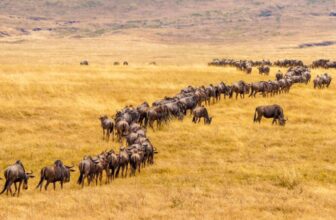
Kenya Safari Landscape
What precautions should travellers take?
Ngoni Safaris recommends the following precautions for visitors travelling in East Africa:
1. Follow official health updates
Check information from the World Health Organization, Kenya’s Ministry of Health and your country’s official travel advisory service before departure.
2. Practise good hand hygiene
Wash your hands regularly with soap and water or use an appropriate alcohol-based hand sanitiser.
3. Avoid contact with sick people and bodily fluids
Do not handle blood, vomit, other bodily fluids or potentially contaminated materials from someone suspected of having Ebola.
4. Cooperate with health screening
Provide accurate travel and health information at airports and border crossings. Follow any screening, monitoring or quarantine instructions issued by public health authorities.
5. Contact medical professionals if symptoms develop
If you have possible exposure and develop symptoms, seek urgent medical guidance before visiting a healthcare facility in person. Explain your exposure and travel history so that appropriate infection-control arrangements can be made.
6. Review your travel insurance
Confirm that your policy covers medical treatment, trip interruption, cancellation and any relevant emergency evacuation costs. Check exclusions related to epidemics and government travel advisories.
What does Ebola mean for Uganda and East African safaris?
The recent developments are relevant to regional travellers because the confirmed case involved travel through Uganda before arrival in Kenya. Public health authorities are coordinating surveillance and contact tracing across borders.
For travellers planning Uganda safaris, gorilla trekking in Bwindi Impenetrable National Park, chimpanzee tracking in Kibale Forest, wildlife viewing in Queen Elizabeth National Park or a wider East African itinerary, it is important to check the status of the specific destinations and routes before travelling.
Uganda announced the end of its latest Bundibugyo Ebola outbreak in August 2026, according to the World Health Organization. However, regional developments may affect health screening, border procedures and travel requirements.
Travellers should distinguish between a confirmed case, a suspected case and an established outbreak. These terms have different meanings and should not be used interchangeably.
How Ngoni Safaris supports responsible travel
At Ngoni Safaris, we understand that health concerns can create uncertainty for travellers planning an African holiday. Our approach is to provide clear communication and practical assistance throughout the travel-planning process.
We encourage clients to:
- Obtain information from recognised public health authorities.
- Review current travel advisories before confirming departure.
- Discuss itinerary changes with their safari consultant when necessary.
- Check cancellation, postponement and refund conditions before making payments.
- Maintain suitable travel insurance and follow local health instructions.
Where health advisories or official restrictions affect a planned safari, we can discuss available options with clients according to the booking terms, permit conditions, supplier policies and applicable regulations.
Our goal is to help travellers make informed decisions while supporting responsible tourism and the communities whose livelihoods depend on travel.
Frequently asked questions
Has Kenya confirmed Ebola?
Yes. Kenya confirmed one imported case of Bundibugyo Ebola virus disease on 6 October 2026. The patient subsequently died, and authorities initiated contact tracing and other response measures.
Does one confirmed case mean Kenya has a widespread Ebola outbreak?
No. One imported case does not automatically indicate widespread transmission. The latest information available for this article reported no additional cases detected in Kenya as of 11 October, but surveillance was continuing.
Should I cancel my Kenya safari?
Do not make a decision based on rumours alone. Review current official travel advice, consult your healthcare professional if you have individual health concerns, and contact your tour operator and insurer to understand your options.
Can I combine a Kenya safari with a Uganda safari?
Cross-border travel may be possible, but requirements can change. Check current guidance for both countries, including any screening, documentation or quarantine measures applicable to your route.
Where can I find reliable updates?
Consult the World Health Organization at www.who.int, Kenya’s Ministry of Health at www.health.go.ke, and your government’s official travel advisory service.
Final thoughts
Ebola is a serious public health concern that deserves accurate reporting and responsible precautions. Kenya’s confirmation of an imported case in October 2026 highlights the importance of surveillance, early detection and cooperation between neighbouring countries.
Travellers should remain informed without giving in to unnecessary panic. By following official guidance, practising appropriate hygiene and reviewing travel arrangements carefully, visitors can make better-informed decisions about their East African holidays.
Ngoni Safaris remains committed to responsible tourism, honest communication and helping travellers plan memorable African safari experiences with the latest available information.