Gorilla Conservation in Uganda: Protecting Mountain Gorillas for Future Generations
By Ngoni Safaris Uganda
Introduction to Gorilla Conservation in Uganda
Gorilla conservation in Uganda is one of Africa’s most inspiring wildlife success stories. Home to a significant population of endangered mountain gorillas, Uganda plays a vital role in protecting these magnificent primates and preserving the tropical forests they depend on for survival.
Through national park management, scientific research, community involvement, responsible tourism, and international conservation partnerships, Uganda continues to make important efforts to safeguard mountain gorillas for future generations.
At Ngoni Safaris Uganda, we believe that responsible gorilla trekking is more than a memorable wildlife experience. It is also an opportunity for visitors to contribute to conservation, support local communities, and discover the importance of protecting Uganda’s natural heritage.
Where Can You Find Mountain Gorillas in Uganda?
Uganda is one of only three countries in the world where visitors can see mountain gorillas in their natural habitat. The country’s gorilla populations live mainly in two protected areas.
1. Bwindi Impenetrable National Park
Bwindi Impenetrable National Park, located in southwestern Uganda, is internationally recognised for its exceptional biodiversity and mountain gorilla population. The park contains ancient tropical rainforest, steep hills, dense vegetation, and diverse wildlife.
Bwindi is one of the most important strongholds for mountain gorilla conservation. Several habituated gorilla families are available for carefully regulated trekking experiences, allowing visitors to observe these remarkable animals under strict conservation guidelines.
The park also supports numerous bird species, butterflies, forest plants, and other mammals. Protecting Bwindi therefore benefits an entire ecosystem, not just mountain gorillas.
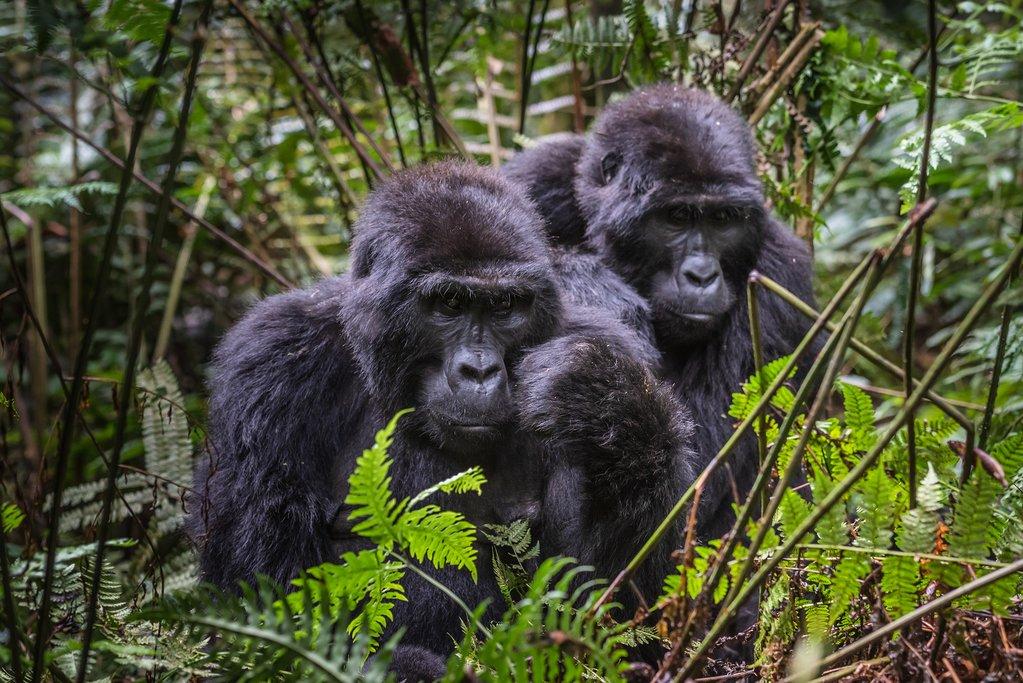
Bwindi Impenetrable National Park
2. Mgahinga Gorilla National Park
Mgahinga Gorilla National Park is another important destination for gorilla conservation in Uganda. Situated in the Virunga Mountains, the park forms part of a transboundary landscape shared by Uganda, Rwanda, and the Democratic Republic of the Congo.
Its volcanic mountains and forest habitats provide shelter for mountain gorillas and golden monkeys. The park’s location highlights the importance of international cooperation because wildlife does not recognise national borders.
Conservation activities in Mgahinga help protect gorilla habitat, support research, and encourage sustainable tourism in surrounding communities.
Why Are Mountain Gorillas Endangered?
Mountain gorillas were once under severe threat due to habitat destruction, poaching, disease, and human pressure on forest resources. Although conservation efforts have helped their populations recover, they remain classified as Endangered on the IUCN Red List.
Several challenges continue to affect their long-term survival.
Habitat loss: Expanding agricultural land, settlement, and human activities can place pressure on the forests gorillas depend on for food, shelter, and movement.
Disease transmission: Mountain gorillas are vulnerable to certain human respiratory illnesses and other infectious diseases. Close contact with people can pose serious risks.
Human-wildlife conflict: Communities living near protected areas may experience crop damage or competition over land and natural resources.
Illegal activities: Although protection has improved, illegal entry into forests, snares, and other harmful activities can threaten wildlife.
Climate and environmental pressures: Changes in rainfall, vegetation, and forest conditions may affect habitat quality and the availability of food.
Addressing these challenges requires continuous investment in wildlife protection, habitat management, community development, and public awareness.
How Uganda Protects Mountain Gorillas
Uganda has developed several conservation measures to protect its mountain gorillas and their habitats.
1. Protected National Parks
Bwindi Impenetrable National Park and Mgahinga Gorilla National Park provide legally protected habitats for mountain gorillas. The Uganda Wildlife Authority manages these parks and oversees activities such as ranger patrols, visitor access, and wildlife protection.
Rangers help monitor gorilla groups, identify potential threats, and respond to illegal activities within protected areas.
2. Gorilla Monitoring and Veterinary Care
Conservation teams monitor habituated gorilla families to understand their health, behaviour, movements, and social relationships. This information helps conservation professionals identify problems and respond when intervention is necessary.
Veterinary specialists may provide assistance to gorillas facing serious health threats, injuries, or other emergencies, following established wildlife-care protocols.
3. Regulated Gorilla Trekking
Gorilla trekking is among Uganda’s most important wildlife tourism activities. Visitor numbers and viewing conditions are regulated to reduce disturbance to gorillas.
Tourists must follow park rules, maintain the required distance, avoid flash photography, and follow the instructions of trained guides and rangers. Visitors who are ill may be required to postpone trekking to reduce the risk of disease transmission.
These measures help ensure that tourism supports conservation without placing unnecessary pressure on gorilla families.
4. Habitat Protection and Restoration
Protecting forests is essential for the survival of mountain gorillas. Healthy forests provide food, shelter, breeding areas, and safe movement corridors.
Conservation initiatives may include restoring degraded habitats, protecting forest boundaries, reducing illegal resource extraction, and encouraging sustainable land use in neighbouring communities.
5. Research and International Cooperation
Mountain gorilla conservation benefits from collaboration among wildlife authorities, researchers, conservation organisations, veterinary teams, local communities, and international partners.
Because the Virunga mountain gorilla population crosses national borders, cooperation between Uganda, Rwanda, and the Democratic Republic of the Congo is particularly important.
Research helps improve understanding of gorilla population trends, health, genetics, behaviour, and the effectiveness of conservation programmes.
How Gorilla Tourism Supports Conservation
Responsible tourism can generate financial resources and economic opportunities that encourage long-term wildlife protection.
When visitors book a gorilla trekking safari in Uganda, permit revenue contributes to the regulated tourism system managed by the relevant authorities. Tourism also creates employment for guides, rangers, drivers, lodge staff, porters, craft makers, and other local service providers.
Visitors should understand that conservation funding comes from several sources, including government resources, tourism revenue, donations, research partnerships, and conservation organisations.
By choosing responsible tour operators and locally beneficial services, travellers can help strengthen the economic value of protecting Uganda’s forests and wildlife.
At Ngoni Safaris, we encourage travellers to approach gorilla trekking with respect for wildlife, local cultures, and the environment.
The Role of Local Communities in Gorilla Conservation
People living near Bwindi and Mgahinga are essential partners in mountain gorilla conservation. Their livelihoods, knowledge, and participation can make a significant difference to the success of conservation programmes.
Community-based initiatives may include:
- Employment opportunities: Local residents work as guides, porters, rangers, hospitality staff, and conservation support personnel.
- Tourism-related businesses: Lodges, restaurants, transport services, and handicraft enterprises benefit from visitors.
- Environmental education: Schools and community programmes help people understand the value of protecting wildlife and forests.
- Alternative livelihoods: Sustainable farming, beekeeping, crafts, and other income-generating activities can reduce dependence on forest resources.
- Human-wildlife conflict management: Community engagement helps address challenges that arise when wildlife and people share neighbouring landscapes.
When local communities receive meaningful benefits and participate in decisions, conservation can become a shared responsibility rather than an external restriction.
Gorilla Trekking Rules That Protect Mountain Gorillas
Every visitor has a role to play in protecting Uganda’s mountain gorillas. Following the rules helps reduce stress, disease transmission, and disturbance.
Important guidelines include:
- Follow all instructions given by your ranger and guide.
- Maintain the minimum viewing distance specified by the park authorities.
- Never touch, feed, chase, or attempt to attract a gorilla.
- Avoid trekking when sick and follow the authorities’ health requirements.
- Do not use flash photography.
- Keep your voice low and avoid sudden movements.
- Never leave rubbish in the forest.
- Respect the permitted viewing time and all park regulations.
- Avoid blocking gorillas’ movement or surrounding them.
- Support local communities by using responsible tourism services.
These simple actions help ensure that gorilla trekking remains a conservation-focused activity.
How Travellers Can Contribute to Gorilla Conservation
You do not need to be a scientist or conservation professional to help protect mountain gorillas. Travellers can make a positive difference through thoughtful choices before, during, and after their safari.
Choose responsible tour operators. Work with operators who respect national park rules, use authorised trekking arrangements, and promote responsible tourism.
Hire local services where appropriate. Using local guides, porters, accommodation providers, and community enterprises helps spread tourism benefits.
Respect the forest. Avoid littering, disturbing wildlife, or engaging in activities that damage the environment.
Learn about conservation. Understanding the challenges facing mountain gorillas helps visitors become advocates for wildlife protection.
Share accurate information. Encourage others to visit responsibly and support credible conservation initiatives.
Stay informed. Follow guidance from the Uganda Wildlife Authority and recognised conservation organisations.
The Future of Gorilla Conservation in Uganda
The recovery of mountain gorilla populations demonstrates what long-term conservation efforts can achieve. However, maintaining this progress requires continued commitment.
Uganda must continue strengthening habitat protection, improving wildlife monitoring, supporting veterinary care, managing tourism responsibly, and working closely with communities surrounding protected areas.
Climate resilience, sustainable development, conservation education, and regional cooperation will also remain important.
The future of mountain gorillas depends on ensuring that wildlife protection and community well-being advance together. With continued cooperation and responsible tourism, Uganda can help safeguard these extraordinary primates for generations to come.
Experience Gorilla Conservation Through Ngoni Safaris Uganda
At Ngoni Safaris Uganda, we invite travellers to discover the beauty of mountain gorillas while learning about the importance of wildlife conservation.
We organise Uganda safari experiences that can include:
- Mountain gorilla trekking in Bwindi Impenetrable National Park.
- Gorilla trekking in Mgahinga Gorilla National Park, subject to availability.
- Cultural experiences with local communities.
- Nature walks and birdwatching opportunities.
- Accommodation and private safari transportation.
- Tailor-made Uganda itineraries combining gorilla trekking with chimpanzee tracking, wildlife safaris, and scenic destinations.
Whether you are planning a short gorilla trekking trip or a longer Uganda wildlife adventure, our team can help you organise a safari suited to your interests, travel dates, and budget.
By visiting Uganda responsibly, you can experience one of the world’s most extraordinary wildlife encounters while appreciating the conservation work needed to protect mountain gorillas.
Book your Uganda gorilla trekking safari with Ngoni Safaris and discover the importance of protecting these incredible animals.
Frequently Asked Questions About Gorilla Conservation in Uganda
1. Are mountain gorillas endangered in Uganda?
Yes. Mountain gorillas remain classified as Endangered on the IUCN Red List. Their numbers have recovered due to sustained conservation efforts, but they still face threats that require continued protection.
2. Where can I see mountain gorillas in Uganda?
Visitors can trek mountain gorillas in Bwindi Impenetrable National Park and Mgahinga Gorilla National Park, subject to permit availability and park regulations.
3. How does gorilla trekking help conservation?
Gorilla trekking generates tourism revenue, supports employment, creates economic opportunities for communities, and increases awareness of wildlife conservation. Its benefits depend on responsible management and fair distribution of tourism income.
4. Can tourists visit gorillas without harming them?
Yes. Visitors can minimise their impact by following ranger instructions, respecting viewing distances, observing health requirements, avoiding flash photography, and never touching or feeding gorillas.
5. What is the role of the Uganda Wildlife Authority?
The Uganda Wildlife Authority manages Uganda’s national parks and protected wildlife areas. Its responsibilities include wildlife protection, ranger operations, monitoring, tourism regulation, and supporting conservation activities.
6. How can I book a gorilla conservation safari in Uganda?
You can contact Ngoni Safaris Uganda to discuss your preferred travel dates, number of travellers, accommodation level, and desired activities. We can help arrange a gorilla trekking itinerary subject to permit availability.
Final Thoughts
Gorilla conservation in Uganda is a powerful example of how wildlife protection, responsible tourism, scientific research, and community participation can work together. Every protected forest, carefully managed trek, and community conservation initiative contributes to the long-term future of mountain gorillas.
With Ngoni Safaris Uganda, explore the country’s remarkable wildlife and discover why protecting mountain gorillas is essential to Uganda’s natural heritage.
Ngoni Safaris Uganda — Discover Uganda. Experience Nature. Support Conservation.