Ebola, Health and Safety Precautions for Tourists Traveling to Uganda
Uganda is one of Africa’s most rewarding safari destinations, offering unforgettable experiences such as gorilla trekking, chimpanzee tracking, wildlife safaris, bird watching and cultural tours. For those planning a trip, it’s important to be aware of Ebola Health and Safety Precautions for Tourists Traveling to Uganda. At Ngoni Safaris, the health, safety and comfort of our guests are always among our highest priorities.
Following the 2026 outbreak of Bundibugyo virus disease (Ebola) in Uganda, travelers understandably had questions about whether it was safe to visit the country and what precautions they should take.
The good news is that Uganda officially ended the 2026 Ebola outbreak on 27 August 2026, after completing the internationally recognized 42-day period without a new confirmed case. WHO and Africa CDC welcomed the declaration.
Nevertheless, responsible travelers should continue to follow normal health precautions, monitor official travel-health advice and communicate with their safari operator before traveling.
Is Uganda Safe for Tourists After the Ebola Outbreak?
Uganda’s 2026 Ebola outbreak was successfully brought under control through surveillance, contact tracing, isolation, testing and other public-health measures.
According to WHO, the last confirmed Ebola case in Uganda was discharged from care on 16 July 2026, and the country subsequently completed 42 consecutive days without a new confirmed case.
The CDC’s current information also states that there are no reported active Ebola cases in Uganda.
This means tourists planning a Uganda safari should not automatically assume that the country is experiencing an active Ebola outbreak. However, health guidance can change, so travelers should check official advice shortly before departure.
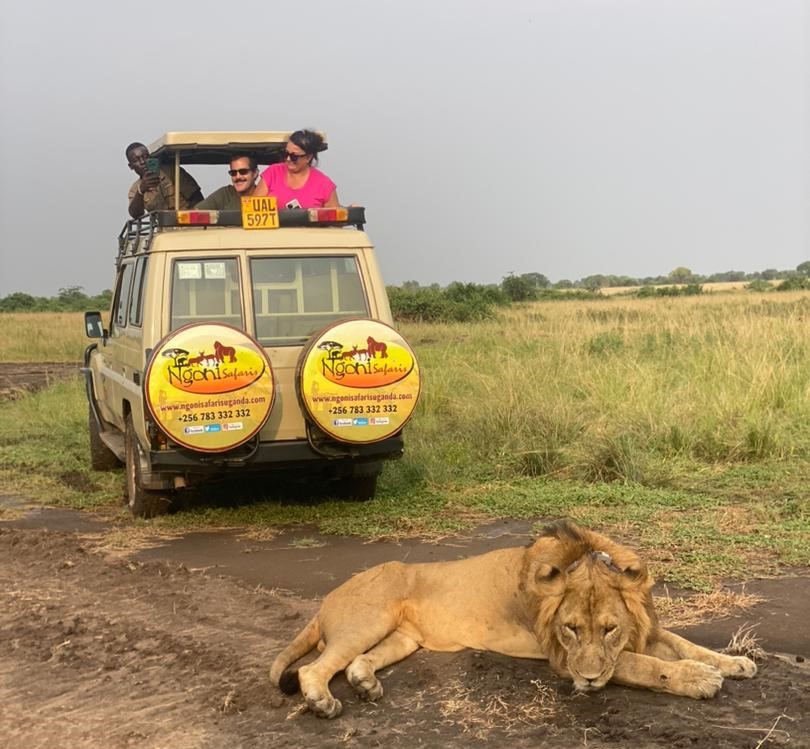
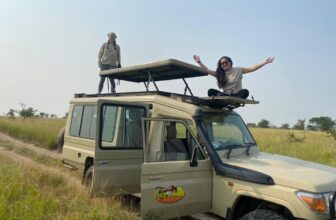
Game drive at queen elizabeth national park
How Does Ebola Spread?
Ebola is not spread like ordinary respiratory infections such as influenza or COVID-19.
Transmission generally occurs through direct contact with the blood or other body fluids of an infected person, or through contact with contaminated materials. People who are not infected cannot transmit Ebola.
During an outbreak, the greatest risks are generally associated with direct exposure to infected people, contaminated materials and certain healthcare or caregiving situations.
For tourists on a safari, following basic hygiene and avoiding unnecessary contact with anyone who is visibly ill are sensible precautions.
Health and Safety Precautions for Tourists
1. Wash Your Hands Regularly
Good hand hygiene is one of the simplest ways to protect yourself while traveling.
Tourists should:
- Wash hands frequently with soap and clean water.
- Use an alcohol-based hand sanitizer when soap and water are unavailable.
- Wash hands before eating.
- Avoid touching the eyes, nose and mouth with unwashed hands.
Ngoni Safaris encourages our guests to carry a small bottle of hand sanitizer during safari activities.
2. Avoid Contact With Sick People
Travelers should avoid unnecessary physical contact with people who are seriously ill, particularly if they have symptoms that could indicate an infectious disease.
If a traveler becomes unwell during a safari, they should immediately inform their Ngoni Safaris driver-guide, who can help coordinate appropriate medical assistance.
3. Do Not Handle Dead Animals
Uganda is famous for its extraordinary wildlife. However, tourists should never touch, handle or approach dead or sick wild animals.
This is an important general safari safety rule because some diseases can be transmitted between animals and humans.
During game drives, always follow your professional guide’s instructions.
4. Follow Your Guide’s Instructions
A professional safari guide is an important part of your safety team.
At Ngoni Safaris, our guides advise guests on:
- Safe wildlife viewing
- Hygiene precautions
- Appropriate behavior around animals
- Safe movement around lodges and camps
- What to do if someone becomes unwell
- Local health and safety procedures
Never leave the safari vehicle or approach wildlife without your guide’s permission.
5. Choose Reputable Accommodation
We recommend staying at established lodges, hotels and safari camps that maintain appropriate hygiene standards.
Ngoni Safaris carefully selects accommodation according to the itinerary, budget and travel requirements of our guests.
Our team can also advise travelers about suitable accommodation in destinations including Bwindi, Kibale, Queen Elizabeth, Murchison Falls, Lake Mburo and other Ugandan safari destinations.
6. Carry Travel Insurance
Comprehensive travel insurance is strongly recommended for all visitors to Uganda.
Your policy should ideally cover:
- Emergency medical treatment
- Hospitalization
- Medical evacuation
- Trip cancellation or interruption
- Emergency assistance
Travel insurance gives travelers additional peace of mind, particularly when visiting remote safari destinations.
7. Check Official Travel Advice Before Departure
Health and travel recommendations can change as circumstances develop.
Before traveling, check the latest information from:
- The World Health Organization (WHO)
- Your country’s health authority
- Your country’s foreign affairs department
- Uganda’s Ministry of Health
- Your airline
For example, current U.S. guidance includes specific public-health screening arrangements for travelers who have recently been in Uganda. Travelers should therefore check the latest requirements before their return journey.
8. Know the Symptoms and Seek Help Quickly
Symptoms of Ebola can include fever, weakness, muscle pain, headache and sore throat, followed by symptoms such as vomiting, diarrhea, rash and, in some cases, bleeding.
These symptoms can also occur with many other illnesses, so having a fever does not automatically mean that someone has Ebola.
However, anyone who becomes seriously ill during or after travel should seek medical advice promptly and tell healthcare professionals about their recent travel history.
9. Do Not Travel When Seriously Ill
If you develop significant symptoms before your safari, contact your doctor and consider postponing your trip until you have been medically assessed.
Your health should always come first.
What Should You Do If You Become Sick During a Uganda Safari?
If you develop concerning symptoms during your trip:
Step 1: Inform your Ngoni Safaris driver-guide immediately.
Step 2: Avoid unnecessary close contact with other travelers.
Step 3: Follow instructions from medical professionals and local health authorities.
Step 4: Do not attempt to self-diagnose Ebola.
Step 5: Provide healthcare professionals with your recent travel and health information.
Ngoni Safaris can assist with communication and logistics while appropriate medical care is arranged.
What About Gorilla Trekking and Chimpanzee Tracking?
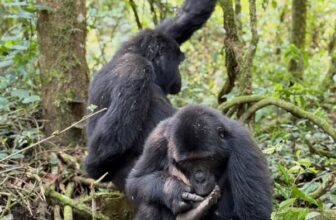
Gorilla trekking and chimpanzee tracking remain among Uganda’s most extraordinary experiences.
However, wildlife trekking requires responsible behavior.
Visitors should:
- Follow Uganda Wildlife Authority rules.
- Maintain the required distance from gorillas and other wildlife.
- Never touch wild animals.
- Avoid trekking when seriously ill.
- Follow the instructions of rangers and guides.
- Practice good hand hygiene.
- Inform the trekking operator if they are feeling unwell.
Wildlife authorities have established health and visitor-management procedures designed to protect both tourists and wildlife.
Ngoni Safaris’ Commitment to Tourist Safety
At Ngoni Safaris Uganda, we understand that international travelers want both adventure and peace of mind.
Our safari planning focuses on:
- Professional driver-guides
- Private safari vehicles
- Reliable accommodation
- Responsible wildlife experiences
- Flexible itinerary planning
- Communication with guests throughout the safari
- Assistance when unexpected situations arise
- Following official guidance from relevant Ugandan authorities
We also encourage our guests to tell us about any important health, mobility or dietary considerations before their safari so that we can plan appropriately.
Uganda Safari Safety Beyond Ebola
Ebola is only one aspect of responsible travel. Visitors should also take normal precautions against common travel-related illnesses and hazards.
Depending on your itinerary, travelers may wish to discuss:
- Malaria prevention
- Routine vaccinations
- Food and water safety
- Insect-bite prevention
- Sun protection
- Hydration
- Road safety
- Travel insurance
- Personal medication
- Emergency medical arrangements
Travelers should speak with a qualified healthcare professional or travel-medicine clinic before their trip for personalized medical advice.
Why Travel With Ngoni Safaris?
Choosing an experienced local safari operator can make your trip more comfortable and organized.
Ngoni Safaris Uganda specializes in tailor-made private safaris throughout Uganda and East Africa, including:
- Gorilla trekking
- Chimpanzee tracking
- Big Five safaris
- Murchison Falls National Park
- Queen Elizabeth National Park
- Bwindi Impenetrable National Park
- Kibale Forest National Park
- Lake Mburo National Park
- Kidepo Valley National Park
- Rwenzori Mountain adventures
- Uganda-Rwanda combined safaris
Our team follows developments that may affect travelers and works to keep guests informed before and during their safari.
Final Advice for Travelers
Uganda’s successful response to the 2026 Bundibugyo Ebola outbreak demonstrates the importance of strong surveillance, rapid response and cooperation between health authorities and communities.
As of the official declaration on 27 August 2026, Uganda’s Ebola outbreak had ended, following 42 days without a new confirmed case.
Travelers should nevertheless continue to practice good hygiene, follow wildlife and health-safety rules, purchase appropriate travel insurance and check the latest official guidance before departure.
Your safety is our priority at Ngoni Safaris.
If you are planning a Uganda safari and have concerns about Ebola, health precautions or current travel requirements, contact Ngoni Safaris Uganda before booking. Our team can help you plan your journey and provide the latest practical information available to us.
Plan Your Uganda Safari With Ngoni Safaris