By Ngoni Safaris Uganda This article explores The Dark Side of the Safari Industry When Guides Steal Clients and Go Rogue, an issue affecting both travellers and operators alike.
Safari tourism is one of Africa’s most important tourism industries. Every year, travelers from around the world visit Uganda, Kenya, Tanzania, Rwanda and other African destinations to experience wildlife, gorilla trekking, chimpanzee tracking, cultural encounters and breathtaking landscapes.
Behind the unforgettable experiences, however, there is a less-discussed challenge within the safari industry: guides who abandon professional standards, secretly solicit clients and attempt to take company customers for private bookings.
This behavior is sometimes described within the industry as a guide “going rogue.”
It can create serious problems for travelers, tour operators, lodges, guides and the wider tourism industry.
What Does It Mean When a Safari Guide “Goes Rogue”?
A rogue guide is generally a guide who operates outside the agreed professional relationship with a tour operator or employer.
For example, a guide may meet travelers while working on an organized safari and later attempt to convince them to:
- Book their next safari directly with the guide
- Cancel an existing booking with the tour operator
- Pay the guide personally instead of the registered company
- Contact the guide privately for future trips
- Use the guide’s personal business instead of the company that originally organized the safari
- Take clients to another operator without proper disclosure
Not every guide who starts an independent business is doing something wrong. Guides can legitimately become entrepreneurs and establish their own licensed tourism companies.
The problem arises when a guide uses a company’s customers, confidential business information, company resources or an existing safari relationship to divert business improperly.
Why Is This a Problem?
A safari is much more than a driver and a vehicle.
A professional tour operator may spend months or years developing relationships with clients, lodges, conservation organizations, transport providers and destination partners.
The operator may also handle:
- Safari planning
- Gorilla and chimpanzee permits
- Accommodation reservations
- Park fees
- Vehicle arrangements
- Insurance recommendations
- Airport transfers
- Emergency support
- Payments and accounting
- Customer communication
- Visa and travel information
- Driver-guide coordination
- Changes and cancellations
When a guide attempts to take a client privately, the traveler may not understand who is actually responsible for these services.
That can create confusion and potentially expose the traveler to unnecessary risks.
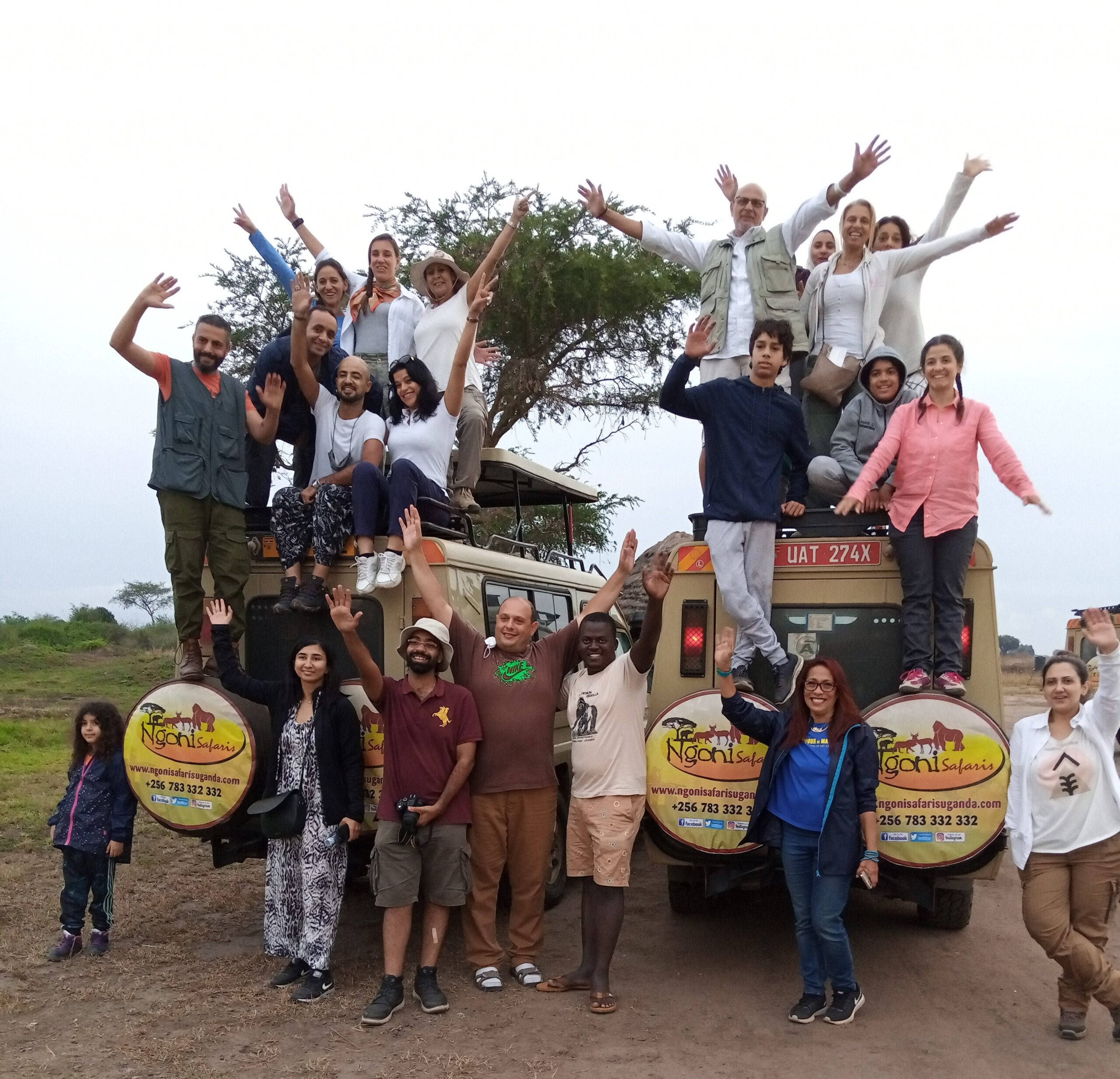
Ngoni Safaris Agent from Egypt with Tourists
How Guides Can Gain Access to Clients
Safari guides naturally develop close relationships with travelers.
During a multi-day safari, guests may spend many hours with their guide. They share meals, game drives, stories and experiences.
This relationship is one of the beautiful parts of African safari tourism.
However, it can also create an opportunity for unethical solicitation.
A guide may learn:
- The traveler’s email address
- Phone number
- Future travel plans
- Preferred destinations
- Approximate travel budget
- Names of friends and family
- Preferred accommodation
- Interest in future safaris
This information should be handled professionally and responsibly.
A traveler who receives a private message from a guide offering a cheaper safari may not realize that the offer is connected to the safari company where they first met the guide.
The “Cheaper Direct Safari” Trap
One of the most common approaches is simple:
“Next time, book directly with me and I will make it cheaper.”
The offer can sound attractive.
But travelers should ask an important question:
Why is the price cheaper?
A legitimate lower price may simply reflect different accommodation, vehicle category, itinerary or inclusions.
But sometimes a significantly lower price can mean that important costs have been removed from the quotation.
For example, travelers should check whether the quotation includes:
- National park fees
- Gorilla or chimpanzee permits
- Accommodation
- Meals
- Vehicle and fuel
- Professional guiding
- Airport transfers
- Driver allowances
- Taxes
- Emergency support
- Activities
- Border-crossing requirements
- Travel insurance requirements
The cheapest quotation is not necessarily the quotation with the same services.
The Importance of Licensed Tourism Businesses
Travelers booking a safari should verify the company and guide they are dealing with.
In Uganda, the Uganda Tourism Board maintains official registers of licensed tour companies and licensed tour guides.
Uganda’s tourism legislation also requires people conducting business as tour operators, travel agents or tour guides to hold the relevant licence issued by the Uganda Tourism Board.
This gives travelers an important practical question to ask:
Who is actually selling and operating my safari?
If a guide approaches you privately, ask for the legal company name, licence details, official quotation, payment information and terms and conditions.
A Guide and a Tour Operator Have Different Responsibilities
It is important not to confuse the role of a guide with the role of a tour operator.
A professional guide’s responsibilities can include:
- Guiding travelers
- Wildlife interpretation
- Cultural interpretation
- Driving where appropriately licensed
- Safety procedures
- Communication with park authorities
- Helping guests during activities
A tour operator may be responsible for coordinating the wider safari package.
Uganda’s Tour Guide Regulations define a tour guide as a person registered and licensed to lead a tour itinerary, while a tour operator is a person licensed to sell or offer tour packages.
This distinction matters when travelers are deciding who should receive their booking payment.
When a Guide Becomes an Independent Tour Operator
There is nothing inherently wrong with a guide eventually establishing an independent safari company.
In fact, experienced guides can become excellent tourism entrepreneurs.
The professional approach is to establish the business properly.
That means, where required:
- Registering the business
- Obtaining the appropriate tourism licences
- Building an independent customer base
- Establishing transparent terms and conditions
- Using official business payment channels
- Issuing proper quotations and receipts
- Building relationships with accommodation providers
- Maintaining appropriate insurance and safety procedures
- Clearly identifying the company responsible for the safari
The problem is not entrepreneurship.
The problem is secretly taking another company’s customers while representing that company.
How Rogue Practices Can Hurt Travelers
The biggest concern should always be the traveler.
Suppose a traveler books a safari through a registered company but is later persuaded to pay a guide privately.
If something goes wrong, the traveler may discover that the original tour operator is no longer responsible for the new arrangement.
Potential problems can include:
- Unclear cancellation policies
- Missing permits
- Accommodation not being confirmed
- Different vehicle standards
- No clear emergency contact
- Unclear refund arrangements
- Personal rather than business payment accounts
- Difficulty obtaining official receipts
- Confusion over who is responsible for complaints
This is why travelers should keep all safari arrangements in writing.
Warning Signs Travelers Should Watch For
A traveler should exercise caution when a guide:
1. Asks for payment to a personal account
For a company-organized safari, travelers should understand why payment is being requested outside the company’s official payment channels.
2. Tells you not to contact the office
A professional tourism operation should normally welcome transparent communication.
3. Offers a dramatically cheaper price without explaining why
Ask for a detailed comparison of inclusions.
4. Asks you to cancel your existing booking
This should immediately prompt questions about the arrangement and who is responsible.
5. Uses company information to make a private offer
Client information obtained through employment should be handled professionally.
6. Cannot provide proper documentation
Ask for a quotation, invoice, terms and conditions and proof of the business responsible for the trip.
7. Claims the company is charging unnecessary fees
Ask the company directly rather than relying solely on statements from an individual guide.
How Responsible Safari Companies Can Protect Clients
Tour operators also have responsibilities.
A professional company should establish clear procedures governing:
- Customer information
- Staff conduct
- Communication with clients
- Company phones and email
- Social media contacts
- Payments
- Commission structures
- Confidential information
- Conflict-of-interest situations
- Independent work by guides
Staff should understand that strong relationships with travelers are valuable, but those relationships must be handled professionally.
Building a Culture of Professional Guiding
Uganda has continued efforts to professionalize tourism guiding.
The Uganda Tourism Board states that its regulatory role includes registering, inspecting and licensing tourism enterprises and assessing, training and licensing tour guides.
UTB also maintains a public list of licensed guides, allowing travelers and businesses to verify guide licensing.
Professionalism should therefore be viewed as more than knowing where to find lions or gorillas.
A professional guide should also understand:
- Ethics
- Customer care
- Safety
- Conservation
- Communication
- Confidentiality
- Tourism regulations
- Responsible business conduct
The Guide Is Often the Face of the Safari Company
For many international travelers, the guide represents the entire safari company.
Guests may never meet the company director.
They may never visit the company’s office.
Their main contact throughout the safari is the guide.
That means guides have enormous influence over a company’s reputation.
A professional guide who provides excellent service can generate repeat business and referrals.
A guide who improperly diverts customers can damage trust that a company has spent years building.
What Travelers Should Do Before Booking a Safari
Before sending money, travelers should conduct a few basic checks.
Verify the tour operator
Check whether the company is registered and licensed through the appropriate tourism authority.
Verify the guide
Where applicable, check whether the guide is licensed.
Request a detailed itinerary
Know exactly where you are going and what is included.
Ask who is responsible
The quotation should clearly identify the company responsible for operating the safari.
Use official payment channels
Payments should correspond with the documented business arrangement.
Request receipts and confirmations
Keep copies of:
- Quotations
- Invoices
- Payment receipts
- Permit confirmations
- Accommodation confirmations
- Emails
- Terms and conditions
Compare like-for-like quotations
If another guide offers a cheaper safari, compare the actual inclusions rather than looking only at the final price.
Ngoni Safaris: Putting Professionalism First
At Ngoni Safaris, we believe that safari tourism should be built on trust, transparency and long-term relationships.
Our goal is not simply to take travelers into Uganda’s national parks.
We want our guests to know who is organizing their safari, what they are paying for and who is responsible for delivering the services described in their itinerary.
A safari should be an investment in an unforgettable African experience—not an arrangement surrounded by uncertainty.
We also believe professional guides deserve recognition. Guides are among the most important people in Uganda’s tourism industry. Their knowledge, hospitality, wildlife expertise and ability to create memorable experiences are central to the success of a safari.
The answer to unethical practices is not to distrust every guide.
It is to build professional relationships, clear standards and transparent tourism businesses.
Conclusion: Protecting the Future of African Safari Tourism
The safari industry depends on trust.
Travelers trust tour operators with their money, their holidays and sometimes their safety. Tour operators trust guides to represent their businesses professionally. Guides trust companies to provide fair working relationships and opportunities.
When these relationships are respected, everyone benefits.
When clients are secretly diverted, payments become unclear and businesses operate outside professional standards, the entire tourism ecosystem can suffer.
For travelers planning a safari in Uganda, the message is simple:
Ask questions. Verify the company. Check the guide. Understand what is included. Keep your documentation. And make sure you know exactly who is responsible for your safari.
For guides, professionalism means more than delivering an excellent game drive.
It means protecting the trust placed in you.
And for safari companies, building transparent systems and treating guides fairly can help create a stronger tourism industry for everyone.
Uganda deserves a safari industry built on professionalism, integrity, conservation and trust.
Plan Your Uganda Safari with Ngoni Safaris
Whether you are planning gorilla trekking in Bwindi, chimpanzee tracking in Kibale, wildlife safaris in Queen Elizabeth National Park or Murchison Falls, or a longer Uganda adventure, Ngoni Safaris can help organize your journey with a clear itinerary and professional safari arrangements.